
The Strength Blueprint: Understanding Muscle Health and Natural Approaches
Share
The Science of Strength: What Affects Your Physical Power?
Strength isn't just about lifting weights—it's the foundation of energy, movement, and longevity. Yet, from your mid-30s onward, natural physiological changes occur that affect muscle mass, hormone levels, and recovery capacity. Many people don't notice the signs until changes in energy, joint comfort, or physical stamina become part of daily life.
Here's what's happening behind the scenes:
Hormonal Changes – Testosterone naturally declines approximately 1–2% per year after age 30 in men, which is associated with changes in muscle composition, metabolism, and recovery patterns (Harvard Health, 2023). Women experience different but equally significant hormonal shifts, particularly during perimenopause and menopause.
Oxidative Stress – Free radicals are naturally produced during metabolism and can accumulate over time, potentially affecting cellular health and muscle tissue.
Energy and Fatigue – According to CDC data (2024), approximately 40% of adults report experiencing tiredness, which can make physical activity more challenging and affect recovery.
Age-Related Muscle Changes (Sarcopenia) – Without regular resistance training and adequate protein intake, muscle mass naturally declines approximately 3–5% per decade after age 30, which can affect metabolism and physical function.
Inflammation – Chronic stress affects a significant portion of adults (APA, 2023), and stress-related inflammation can impact muscle and joint comfort.
The good news? These are natural processes that can be addressed through lifestyle approaches. Science-backed strategies—including nutrition, resistance training, recovery practices, and traditional substances like shilajit—can support muscle maintenance, energy levels, and physical endurance.
Shilajit: A Traditional Approach to Physical Vitality
Shilajit has been used for centuries in Ayurvedic traditional medicine as part of wellness practices aimed at supporting vitality. Today, research is beginning to explore its composition and potential applications.
What Research Shows About Shilajit
Testosterone Levels: A 2016 study published in Andrologia examined shilajit supplementation (250mg twice daily) in men aged 45–55. The study observed changes in testosterone levels over the supplementation period, though it's important to note this was a small study and individual results vary.
Exercise Recovery: Research published in the Journal of the International Society of Sports Nutrition (2016) examined shilajit's effects on exercise-induced muscle damage markers. The study observed certain recovery-related measurements, though more research is needed to fully understand these effects.
Cellular Energy: Studies have examined fulvic acid (a component of shilajit) and its relationship to cellular energy processes, particularly ATP production (Physiol Res., 2012).
Oxidative Stress Markers: Some research has examined shilajit's antioxidant properties and effects on oxidative stress markers (2022 study).
Collagen and Bone Health: A study published in Nutrients (2023) examined shilajit supplementation and markers related to collagen synthesis, though more research is needed in this area.
Important Context: While these studies are interesting, it's crucial to understand that research on shilajit is still emerging. Individual results vary, and shilajit should be viewed as one component of a comprehensive wellness approach, not a standalone solution.
Step 1: Fuel Strength with Nutrient-Dense Foods
Food is the foundation of muscle health and physical performance. The right nutrients support muscle repair, hormone balance, and sustained energy.
What Your Body Needs for Muscle Health
Protein (20–30g per meal) – Essential for building and maintaining muscle tissue. Quality sources include grass-fed beef, pasture-raised eggs, wild-caught fish, lentils, chickpeas, and quinoa.
Zinc & Magnesium – These minerals are involved in numerous bodily processes including hormone production and energy metabolism. Sources include pumpkin seeds, spinach, almonds, and dark chocolate.
Antioxidants – Help combat oxidative stress from exercise and daily metabolism. Found abundantly in berries, dark leafy greens, colorful vegetables, and green tea.
Healthy Fats – Support hormone production and reduce inflammation. Best sources include avocados, wild salmon, olive oil, nuts, and seeds.
How Shilajit's Mineral Composition Fits In
Shilajit contains over 80 trace minerals naturally present in its geological formation. While a varied, whole-food diet remains the foundation of good nutrition, shilajit can be part of overall mineral intake. However, it should complement—not replace—nutrient-dense foods.
Step 2: Train Smart—How Movement Builds Strength
Muscle tissue responds to resistance and progressive overload. Without regular stimulus, muscle mass naturally declines with age. The solution is consistent, intelligent training.
Best Approaches for Maintaining Strength
🏋️ Resistance Training – Lifting weights or using bodyweight resistance 2–3 times per week is the most effective way to build and maintain muscle mass and bone density. This is supported by extensive research and is recommended by health organizations worldwide.
🚴 Cardiovascular Exercise – Activities like brisk walking, cycling, or swimming (30 minutes, 5 times per week) support cardiovascular health, stamina, and circulation.
🧘 Mobility & Flexibility Work – Stretching and mobility exercises (10 minutes daily) help maintain range of motion, reduce injury risk, and support joint health.
Progressive Overload Principles
To continue building strength, gradually increase the challenge through heavier weights over time, more repetitions or sets, shorter rest periods, or more complex movement patterns. This progressive approach signals your body to adapt and build stronger muscle tissue.
Where Shilajit Fits in Training
Some athletes and fitness enthusiasts incorporate shilajit into their wellness routines as part of a comprehensive approach that includes proper training, nutrition, and recovery. While research is emerging, shilajit should be viewed as a complementary practice, not a replacement for proper training fundamentals.
Step 3: Recharge with Rest—The Foundation of Recovery
Strength isn't just built in the gym—it's built during recovery. Sleep is when your body repairs muscle tissue, balances hormones, and consolidates the adaptations from training. Poor sleep quality can interfere with muscle repair, immune function, and stress hormone regulation.
Optimize Recovery with These Evidence-Based Practices
Prioritize 7–9 Hours of Sleep – Consistent, quality sleep is associated with better hormone balance, muscle retention, and recovery. This is one of the most important factors for physical performance.
Reduce Blue Light Exposure Before Bed – Blue light from screens can suppress melatonin production, making it harder to fall asleep and reducing sleep quality. Consider limiting screen time 1–2 hours before bed.
Support Sleep with Nutrition – Magnesium-rich foods (leafy greens, nuts, seeds) and traditional adaptogens have been used to support relaxation and sleep quality in various cultural practices.
Create a Sleep-Conducive Environment – Keep your bedroom cool (65–68°F), dark, and quiet. Establish a consistent sleep schedule, even on weekends.
Shilajit and Recovery
In traditional Ayurvedic practice, shilajit has been used as part of evening routines. Some modern users report incorporating it into their recovery practices, though individual experiences vary and more research is needed.
Step 4: Support Hormonal Balance Naturally
Hormones—particularly testosterone in men and balanced estrogen/progesterone in women—play significant roles in muscle maintenance, energy levels, and recovery. While hormonal decline is a natural part of aging, lifestyle factors can influence how your body produces and regulates hormones.
Evidence-Based Approaches to Hormonal Health
1️⃣ Stress Management Practices – Chronic stress elevates cortisol, which can interfere with other hormones including testosterone. Meditation, deep breathing exercises, and mindfulness practices have been shown to reduce cortisol levels.
2️⃣ Adequate Sun Exposure – Vitamin D, produced when skin is exposed to sunlight, is involved in testosterone production and bone health. Aim for 10–30 minutes of midday sun exposure several times per week (depending on skin tone and location), or consider vitamin D supplementation if deficient.
3️⃣ Resistance Training – Heavy compound lifts (squats, deadlifts, bench press) have been shown to acutely increase testosterone levels and support long-term hormonal health.
4️⃣ Adequate Dietary Fat – Healthy fats are necessary for hormone production. Ensure your diet includes sources like avocados, nuts, olive oil, and fatty fish.
5️⃣ Quality Sleep – Sleep deprivation significantly impacts testosterone production. Prioritizing 7–9 hours of quality sleep is crucial for hormonal balance.
Shilajit and Hormonal Health
The 2016 Andrologia study mentioned earlier examined shilajit's effects on testosterone levels in a small group of men. While the results were interesting, it's important to view shilajit as one potential component of a comprehensive approach to hormonal health, not a standalone solution. Lifestyle factors (sleep, training, nutrition, stress management) remain the foundation.
As always, consult a healthcare provider if you're concerned about hormone levels. They can order appropriate testing and provide personalized guidance.
Your Comprehensive Strength Maintenance Plan
Maintaining and building strength as you age isn't about finding a single solution—it's about combining multiple evidence-based approaches:
Nutrition Foundation:
- Adequate protein (0.7–1g per pound of body weight)
- Sufficient calories to support training
- Micronutrient-rich whole foods
- Proper hydration
Training Consistency:
- Resistance training 2–4 times per week
- Progressive overload over time
- Adequate rest between sessions
- Mobility and flexibility work
Recovery Practices:
- 7–9 hours of quality sleep nightly
- Stress management techniques
- Active recovery (walking, light movement)
- Proper nutrition timing around workouts
Supportive Practices:
- Sun exposure for vitamin D
- Stress reduction (meditation, nature time)
- Social connection and community
- Traditional substances like shilajit as part of a holistic approach
Where Shilajit Fits
Shilajit can be incorporated as one component of this comprehensive approach. Following traditional practices, dissolve 300-500mg of resin in warm water and consume daily, typically in the morning. Some people prefer taking it before or after workouts as part of their training routine.
Important: Shilajit is not a replacement for proper training, nutrition, or recovery. It's a complementary practice that may support your overall wellness routine. Individual results vary, and more research is needed to fully understand its effects.
As with any supplement, consult a healthcare professional before use, especially if you have pre-existing health conditions, are pregnant or nursing, or take medications.
Frequently Asked Questions
Can shilajit really help with strength and muscle?
Research is emerging on shilajit's potential effects on testosterone levels, exercise recovery, and cellular energy. While some studies show promising results, it's important to view shilajit as one component of a comprehensive approach that includes proper training, nutrition, and recovery—not a standalone solution.
How much shilajit should I take?
Traditional practices and research studies typically use 300-500mg daily. Start with a smaller amount to assess tolerance, then adjust as needed. Consistency over time is more important than large doses.
When should I take shilajit for training?
Individual preferences vary. Some take it in the morning as part of their daily routine, others before workouts, and some after training as part of recovery. Experiment to find what works best for you.
How long does it take to notice results?
Individual experiences vary significantly. Research studies typically run 8-12 weeks. Traditional practices emphasize patience and consistency over months rather than expecting immediate changes. Remember that proper training and nutrition are the primary drivers of strength gains.
Can women use shilajit for strength?
Yes. While some research has focused on men and testosterone, shilajit has been traditionally used by both men and women in Ayurvedic practice. Women can incorporate it as part of their wellness routines, though hormonal effects may differ from those observed in men.
Is shilajit safe to combine with other supplements?
Shilajit can often be combined with other supplements, but consult a healthcare provider about compatibility, especially if you take medications or have specific health conditions. Common combinations include protein powder, creatine, vitamin D, and magnesium.
What's more important—shilajit or proper training?
Proper training, nutrition, and recovery are the foundation of strength. No supplement, including shilajit, can replace these fundamentals. View shilajit as a potential complementary practice, not a shortcut.
The Path Forward
Strength isn't something you lose inevitably—it's something you can maintain and even build with the right approach. The science is clear: resistance training, adequate protein, quality sleep, and stress management are the cornerstones of physical vitality at any age.
Traditional substances like shilajit represent one additional tool in your wellness toolkit, connecting ancient Ayurvedic wisdom with emerging modern research. When combined with evidence-based lifestyle practices, you create a comprehensive approach to maintaining strength, energy, and physical function throughout life.
What's your next strength goal? Whether it's your first pull-up, a new deadlift personal record, or simply maintaining the ability to play with your grandchildren, the blueprint is the same: train consistently, eat well, recover properly, and consider traditional practices that have supported human vitality for thousands of years.
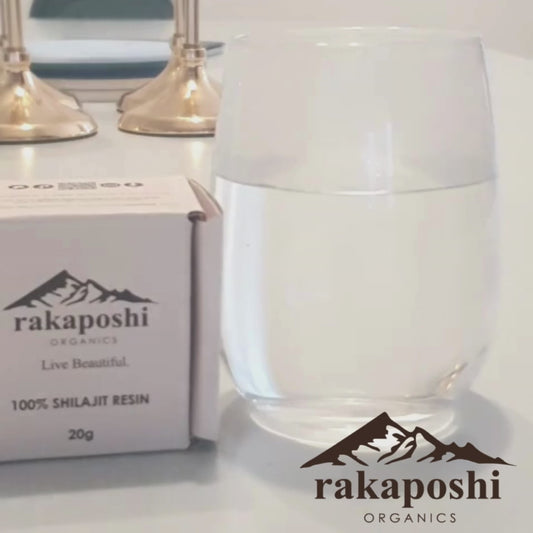
Discover authentic Rakaposhi Gold Shilajit—sourced from the Karakoram range, processed using traditional Aftabi methods, independently lab-tested for purity and safety, and supporting fair trade practices in Gilgit-Baltistan. Experience a traditional approach to physical vitality.