
Why Body Composition Matters More Than Weight: A Science-Based Approach
Share
Understanding Body Composition: More Than Just a Number on the Scale
Have you ever felt frustrated after stepping on the scale, only to find that the number doesn't reflect your hard work in the gym? The truth is, scale weight doesn't tell the whole story about your fitness or health.
This is where body composition—the breakdown of fat, muscle, water, bone, and other tissues in your body—comes into play. Unlike weight alone, body composition provides a deeper understanding of your health and fitness progress.
What Body Composition Includes
Body Fat:
- Essential fat (necessary for normal physiological function)
- Storage fat (energy reserves)
- Visceral fat (fat around organs, associated with health risks)
- Subcutaneous fat (fat under the skin)
Lean Body Mass:
- Skeletal muscle
- Smooth muscle (organs, blood vessels)
- Bone
- Water
- Organs and connective tissue
By focusing on body composition instead of weight alone, you can better track your progress, optimize your fitness plan, and understand your actual health status.
Why Body Composition Is More Important Than Weight
1. Body Composition Reveals Real Progress
The scale only shows your total weight—it doesn't differentiate between fat, muscle, water, or bone. This creates misleading scenarios:
Example 1: A person who gains 5 pounds of muscle and loses 5 pounds of fat will see no change on the scale, but their body composition has improved dramatically. They'll look leaner, be stronger, have better metabolic health, and fit into clothes differently.
Example 2: Someone who loses weight through crash dieting may lose significant muscle mass along with fat. The scale shows "success," but their body composition has worsened—they've lost metabolically active tissue and may have a higher body fat percentage despite weighing less.
Example 3: Water retention from sodium intake, hormonal fluctuations, or inflammation can cause several pounds of weight fluctuation that has nothing to do with fat or muscle changes.
2. Health Risks Are Linked to Body Fat Distribution, Not Weight
Research consistently shows that body composition, particularly fat distribution, is a better predictor of health outcomes than weight or BMI.
Visceral Fat (Fat Around Organs):
- Strongly associated with cardiovascular disease risk
- Linked to insulin resistance and type 2 diabetes
- Associated with increased inflammation
- Correlated with metabolic syndrome
Subcutaneous Fat (Fat Under Skin):
- Less metabolically harmful than visceral fat
- Distribution matters (abdominal vs. hip/thigh)
The "Skinny Fat" Phenomenon: Someone can have a "normal" weight or BMI but high body fat percentage and low muscle mass, putting them at increased health risk despite appearing thin.
The "Healthy Obese" Phenomenon: Some people with higher weight but good muscle mass, low visceral fat, and healthy metabolic markers have lower health risks than their weight alone would suggest.
3. Muscle Mass Is Key to Metabolism, Function, and Longevity
Muscle tissue is metabolically active and provides numerous benefits:
Metabolic Benefits:
- Burns more calories at rest than fat tissue (approximately 6 calories per pound of muscle vs. 2 calories per pound of fat daily)
- Improves insulin sensitivity and glucose metabolism
- Supports healthy hormone production
- Increases total daily energy expenditure
Functional Benefits:
- Enables physical performance and daily activities
- Protects joints and bones
- Improves balance and reduces fall risk
- Supports independence as you age
Longevity Benefits:
- Higher muscle mass is associated with longer lifespan
- Protects against age-related muscle loss (sarcopenia)
- Associated with better quality of life in older adults
- Muscle mass is a stronger predictor of longevity than BMI
4. Body Composition Affects How You Look and Feel
Two people at the same weight can look completely different based on body composition:
- Higher muscle mass creates a leaner, more defined appearance
- Lower body fat percentage reveals muscle definition
- Better posture and physical presence
- Clothes fit differently based on muscle vs. fat distribution
How to Measure Body Composition
1. Bioelectrical Impedance Analysis (BIA)
How it works: Sends a weak electrical current through the body. Fat and muscle conduct electricity differently, allowing estimation of body composition.
Pros:
- Convenient and affordable
- Available in home scales and handheld devices
- Quick and non-invasive
Cons:
- Less accurate than other methods
- Affected by hydration status, food intake, exercise
- Can vary significantly between devices
- Better for tracking trends than absolute accuracy
Best practices: Measure at the same time of day, under similar conditions (hydration, food intake, etc.)
2. Dual-Energy X-Ray Absorptiometry (DEXA/DXA)
How it works: Uses low-dose X-rays to measure bone density, lean tissue, and fat mass with high precision.
Pros:
- Highly accurate (gold standard for research)
- Provides detailed regional analysis (where fat and muscle are distributed)
- Measures bone density
- Not affected by hydration or recent food intake
Cons:
- Expensive ($50-150 per scan)
- Requires specialized facility
- Involves small radiation exposure (very low, comparable to a few hours of natural background radiation)
Best for: Baseline measurements and periodic tracking (every 3-6 months)
3. Skinfold Calipers
How it works: Measures thickness of subcutaneous fat at specific body sites using calipers. Measurements are plugged into equations to estimate body fat percentage.
Pros:
- Inexpensive
- Portable
- Can be done at home or gym
Cons:
- Requires skill and consistency
- Only measures subcutaneous fat (not visceral)
- Accuracy depends on technician skill
- Difficult to measure yourself accurately
Best for: Tracking trends over time with consistent measurement technique
4. Hydrostatic (Underwater) Weighing
How it works: Measures body density by weighing you underwater. Fat is less dense than muscle, so body composition can be calculated.
Pros:
- Very accurate when done properly
- Not affected by hydration
Cons:
- Requires specialized facility
- Uncomfortable for some people
- Time-consuming
- Requires full submersion and exhaling all air
5. Bod Pod (Air Displacement Plethysmography)
How it works: Similar principle to underwater weighing but uses air displacement instead of water.
Pros:
- Accurate
- More comfortable than underwater weighing
- Quick (5-10 minutes)
Cons:
- Expensive
- Requires specialized facility
- Limited availability
6. Visual Assessment and Progress Photos
How it works: Regular photos from consistent angles and lighting, combined with how clothes fit and strength progress.
Pros:
- Free
- Shows real-world changes
- Motivating to see visual progress
Cons:
- Subjective
- Doesn't provide numerical data
- Can be affected by lighting, posing, etc.
Best practices: Take photos weekly or biweekly in the same location, lighting, clothing, and poses
Recommendation
For most people, a combination approach works best:
- BIA scale for frequent tracking (understanding its limitations)
- Progress photos every 1-2 weeks
- Measurements (waist, hips, chest, arms, thighs) monthly
- DEXA scan every 6-12 months for accurate baseline and progress checks
- Strength tracking (weights lifted, reps performed)
Evidence-Based Strategies to Improve Body Composition
1. Prioritize Resistance Training
Resistance training is the most effective way to build and maintain muscle mass.
Research shows:
- Resistance training increases muscle mass and strength at any age
- It's more effective for improving body composition than cardio alone
- Combining resistance training with cardio produces better results than either alone
- Progressive overload (gradually increasing weight/difficulty) is key
Recommendations:
- Train 2-4 times per week
- Focus on compound movements (squats, deadlifts, presses, rows, pull-ups)
- Use progressive overload (increase weight, reps, or sets over time)
- Allow adequate recovery between sessions
2. Optimize Protein Intake
Protein is essential for building and maintaining muscle mass, especially when in a calorie deficit.
Research shows:
- Higher protein intake (0.7-1g per pound of body weight) supports muscle retention during fat loss
- Protein is more satiating than carbs or fat, helping with appetite control
- Protein has a higher thermic effect (burns more calories during digestion)
- Adequate protein supports recovery and adaptation from training
Recommendations:
- Aim for 0.7-1g of protein per pound of body weight daily
- Distribute protein across meals (20-40g per meal)
- Include protein at breakfast to support satiety
- Choose quality sources: lean meats, fish, eggs, dairy, legumes, tofu
3. Create a Moderate Calorie Deficit for Fat Loss
To lose fat while preserving muscle, create a moderate calorie deficit.
Research shows:
- Aggressive deficits (>25% below maintenance) increase muscle loss
- Moderate deficits (15-25% below maintenance) optimize fat loss while preserving muscle
- Very slow deficits may be less effective for adherence
Recommendations:
- Calculate maintenance calories (use online calculator or track intake for 2 weeks)
- Create a 300-500 calorie daily deficit
- Prioritize protein and resistance training to preserve muscle
- Track progress and adjust as needed
4. Include Cardiovascular Exercise
While resistance training is primary for body composition, cardio supports overall health and can aid fat loss.
Recommendations:
- 150+ minutes of moderate-intensity cardio weekly
- Mix steady-state (walking, jogging, cycling) with higher-intensity intervals
- Don't let cardio interfere with resistance training recovery
- Choose activities you enjoy for better adherence
5. Prioritize Sleep and Recovery
Sleep is when your body repairs muscle tissue and regulates hormones that affect body composition.
Research shows:
- Sleep deprivation increases muscle loss during calorie restriction
- Poor sleep elevates cortisol and reduces testosterone
- Inadequate sleep increases hunger hormones and cravings
- Sleep deprivation impairs workout performance and recovery
Recommendations:
- Aim for 7-9 hours of quality sleep nightly
- Maintain consistent sleep/wake times
- Create a dark, cool sleep environment
- Manage stress through meditation, deep breathing, or other techniques
6. Manage Stress
Chronic stress elevates cortisol, which can promote fat storage (especially abdominal fat) and muscle breakdown.
Stress management strategies:
- Regular meditation or mindfulness practice
- Adequate sleep
- Social connection
- Time in nature
- Hobbies and activities you enjoy
- Professional support if needed
7. Stay Consistent and Patient
Body composition changes take time. Realistic expectations:
- Muscle gain: 0.5-2 pounds per month (depending on training experience, genetics, nutrition)
- Fat loss: 0.5-2 pounds per week (sustainable rate that preserves muscle)
- Visible changes: 4-8 weeks of consistent effort
Keys to success:
- Track progress through multiple metrics (photos, measurements, strength, how clothes fit)
- Don't rely solely on scale weight
- Adjust your plan based on results every 4-6 weeks
- Prioritize adherence over perfection
Traditional Approaches to Strength and Vitality
Various traditional medicine systems have emphasized strength, vitality, and physical resilience.
Shilajit in Traditional Strength and Vitality Practices
In Ayurvedic medicine, shilajit has been used for thousands of years as part of protocols for strength ("bala"), vitality, and overall wellness. Traditional texts describe it in relation to physical capacity and resilience.
What Traditional Texts Describe
Traditional Ayurvedic texts describe shilajit in relation to:
- Supporting strength and physical capacity
- Promoting vitality and energy
- Supporting overall balance and wellness
However, traditional use always emphasized shilajit as part of comprehensive approaches including proper diet, exercise, rest, and lifestyle practices—not as a standalone body composition solution.
What Research Has Examined
Energy and Mitochondrial Function:
Some preliminary research has examined shilajit in relation to cellular energy:
- A few small studies have looked at shilajit and exercise performance markers
- Some research has examined fulvic acid and mitochondrial function in laboratory settings
- Results are mixed and mostly from animal or in vitro studies
Testosterone and Hormones:
A few very small studies have examined shilajit and testosterone:
- One small study in infertile men showed increased testosterone levels
- Another small study in healthy volunteers showed modest increases
- These studies had significant limitations (small sample sizes, short duration, unclear mechanisms)
Critical Limitations:
This research is extremely preliminary:
- Very small sample sizes: Most studies have fewer than 50 participants
- Short duration: Most studies last only 8-12 weeks
- Unclear mechanisms: How shilajit might affect hormones or body composition isn't well understood
- No standardization: Different shilajit preparations may have different effects
- Limited replication: Few studies have been replicated by independent researchers
What We Don't Know:
There are NO rigorous human clinical trials examining:
- Shilajit's effects on muscle mass or muscle growth
- Shilajit's effects on body fat percentage or fat loss
- Shilajit's effects on body composition in people following exercise programs
- Shilajit's effects on workout performance or recovery in trained individuals
- Long-term safety and efficacy for body composition goals
- Optimal dosing for any body composition outcomes
Traditional Context
In Ayurvedic practice, protocols for strength and vitality emphasized:
- Proper nutrition appropriate to one's constitution
- Regular physical training and exercise
- Adequate rest and recovery
- Stress management
- Seasonal routines
Shilajit was one potential component of these comprehensive approaches, not a standalone solution for muscle building or fat loss.
Realistic Expectations and Important Warnings
Claims that shilajit:
- "Boosts energy for workouts"
- "Enhances mitochondrial function, increasing ATP production"
- "Supports muscle growth and recovery"
- "Has testosterone-boosting properties that promote lean muscle development"
- "Aids fat metabolism"
- "Supports fat burning during exercise"
- "Reduces cortisol levels"
- "Helps regulate cortisol"
...go far beyond what current evidence supports.
CRITICAL WARNING ABOUT HORMONE CLAIMS:
Claims about "testosterone-boosting" or "hormone-regulating" properties are particularly problematic:
- Very limited research with small sample sizes
- Unclear clinical significance of any observed changes
- Unknown long-term effects
- Potential interactions with medications or health conditions
- May give false hope to people with actual hormonal issues who need medical treatment
If you have concerns about testosterone levels, body composition, or hormonal health, consult a healthcare provider for proper evaluation and evidence-based treatment.
While traditional use and very preliminary research suggest shilajit may play a supportive role in comprehensive wellness approaches, it is not a proven body composition aid, muscle builder, fat burner, or hormone optimizer.
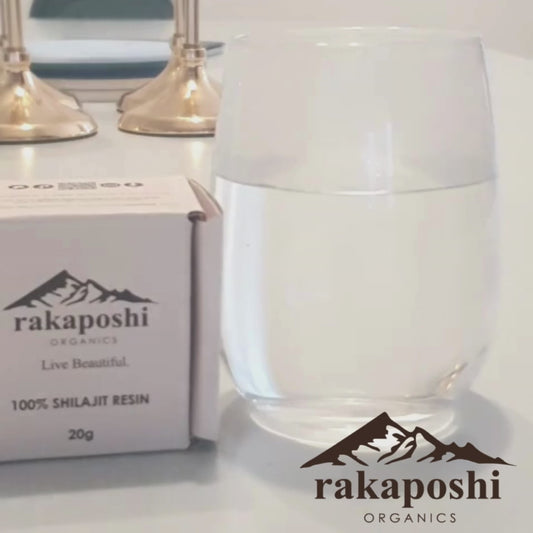
If you choose to incorporate shilajit as part of a holistic wellness routine (following traditional use patterns of 300-500mg resin dissolved in warm water), view it as one component of comprehensive self-care, not a replacement for evidence-based nutrition, training, and recovery practices.
Shifting Your Focus: Progress Beyond the Scale
When you prioritize body composition over weight, you create a more meaningful and effective approach to fitness and health.
Set Goals Based on Composition
Instead of: "I want to lose 20 pounds"
Try: "I want to reduce body fat percentage from 30% to 25% while maintaining or building muscle"
Why it's better: This goal focuses on actual health and appearance changes, not just a number on the scale.
Track Multiple Metrics
Strength Progress:
- Weights lifted in key exercises
- Reps performed at given weights
- Progression over time
Measurements:
- Waist circumference (health marker)
- Hip, chest, arm, thigh measurements
- Waist-to-hip ratio
Visual Progress:
- Progress photos (weekly or biweekly)
- How clothes fit
- Muscle definition and appearance
Performance:
- Energy levels
- Workout performance
- Daily function and activities
Health Markers:
- Blood pressure
- Blood sugar and insulin sensitivity
- Cholesterol levels
- Resting heart rate
Celebrate Non-Scale Victories
- Lifting heavier weights
- Performing more reps
- Clothes fitting better
- Increased energy
- Better sleep quality
- Improved mood
- Enhanced confidence
- Compliments from others
- Visible muscle definition
- Improved athletic performance
Practical Body Composition Improvement Plan
Nutrition
✅ Protein: 0.7-1g per pound of body weight daily, distributed across meals
✅ Calorie balance: Moderate deficit for fat loss (300-500 calories below maintenance), maintenance or slight surplus for muscle gain
✅ Whole foods: Emphasize vegetables, fruits, whole grains, lean proteins, healthy fats
✅ Hydration: Half your body weight in ounces of water daily
✅ Limit: Processed foods, excessive sugar, alcohol
Training
✅ Resistance training: 3-4 sessions per week, focusing on progressive overload
✅ Compound movements: Squats, deadlifts, presses, rows, pull-ups
✅ Cardio: 150+ minutes of moderate-intensity activity weekly
✅ Progressive overload: Gradually increase weight, reps, or sets over time
Recovery
✅ Sleep: 7-9 hours of quality sleep nightly
✅ Rest days: At least 1-2 days per week from intense training
✅ Stress management: Daily meditation, deep breathing, or relaxation practices
✅ Active recovery: Light walking, stretching, yoga on rest days
Tracking
✅ Weekly: Progress photos, body weight (for trends, not daily fluctuations)
✅ Monthly: Measurements, strength progress assessment
✅ Quarterly: DEXA scan or other accurate body composition measurement
✅ Daily: Workout performance, energy levels, how you feel
Optional Traditional Support
✅ Shilajit: If incorporating traditional approaches, 300-500mg resin dissolved in warm water daily, as part of comprehensive wellness routine (not as standalone body composition solution)
The Reality of Body Composition Change
Improving body composition requires:
- Consistent resistance training with progressive overload
- Adequate protein intake
- Appropriate calorie balance for your goals
- Quality sleep and stress management
- Patience and realistic expectations
There are no shortcuts, magic supplements, or quick fixes. Claims about supplements that "boost metabolism," "burn fat," "build muscle," or "regulate hormones" are almost always exaggerated or unsupported by evidence.
The interventions that actually work are less exciting but far more effective:
- Lifting weights consistently
- Eating adequate protein
- Managing calories appropriately
- Sleeping well
- Managing stress
- Being patient
These aren't sexy or marketable, but they're what the science actually supports.
Frequently Asked Questions
How long does it take to see body composition changes?
Most people notice changes in how clothes fit and strength gains within 4-6 weeks. Visible muscle definition typically takes 8-12 weeks of consistent effort. Significant body composition changes (10+ pounds of muscle gain or fat loss) take 3-6 months or longer.
Can I build muscle and lose fat at the same time?
Yes, especially if you're new to training, returning after a break, or have higher body fat. This is called "body recomposition." It's slower than focusing on one goal at a time but is possible with proper training, adequate protein, and appropriate calorie intake.
Does shilajit help with body composition?
Shilajit has been used in Ayurvedic tradition as part of vitality protocols. Some very preliminary research has examined it in relation to energy and testosterone markers, but rigorous human clinical trials examining body composition outcomes are lacking. It should not be viewed as a proven muscle builder, fat burner, or body composition aid.
How much protein do I really need?
For body composition goals, research supports 0.7-1g of protein per pound of body weight daily. Higher amounts (up to 1.2g/lb) may provide small additional benefits during aggressive fat loss. More than this doesn't appear to provide additional benefits for muscle building.
Is cardio necessary for fat loss?
No, fat loss is primarily driven by calorie deficit, which can be achieved through diet alone. However, cardio supports overall health, increases calorie expenditure (making deficits easier to achieve), and improves cardiovascular fitness. A combination of resistance training, moderate cardio, and appropriate nutrition produces the best body composition results.
What's the best body fat percentage to aim for?
This depends on individual goals and health status. General healthy ranges:
- Men: 10-20% (athletes may go lower, 6-13%)
- Women: 18-28% (athletes may go lower, 14-20%)
Very low body fat percentages can negatively affect hormones, immune function, and overall health. Focus on a sustainable, healthy range rather than extreme leanness.
Can I spot-reduce fat from specific areas?
No. Spot reduction (losing fat from specific areas through targeted exercises) is a myth. Fat loss occurs throughout the body based on genetics, hormones, and overall calorie balance. You can build muscle in specific areas through targeted training, which can improve appearance, but you cannot selectively burn fat from those areas.
The Path to Better Body Composition
Improving body composition is one of the most impactful things you can do for your health, function, and appearance. But it requires a shift in mindset from focusing on scale weight to understanding the quality of your body's tissues.
By prioritizing muscle building through resistance training, optimizing protein intake, managing calories appropriately, and supporting recovery through sleep and stress management, you create the conditions for meaningful, lasting body composition improvements.
Start with the fundamentals. Lift weights consistently, eat adequate protein, sleep well, and be patient. These evidence-based practices will produce real results.
Your body composition is a reflection of your lifestyle choices over time. Make those choices count.
Discover authentic Rakaposhi Gold Shilajit—sourced from the Karakoram mountains of Gilgit-Baltistan, processed using traditional Aftabi sun-drying methods, independently lab-tested for purity and safety, and supporting fair trade practices. Experience a traditional approach to vitality and wellness as part of a comprehensive, evidence-based lifestyle.