
Embracing Longevity: Evidence-Based Strategies for Healthy Aging and Vitality
Share
The Reality of Living Longer, Living Better
Imagine living to 100 years—not just existing, but thriving with purpose, energy, and fulfillment. Thanks to advancements in medicine, improved living standards, and better understanding of health factors, more people are living longer than ever before. But the key isn't just adding years to your life; it's adding quality to those years.
The concept of "healthspan" (years lived in good health) versus "lifespan" (total years lived) is increasingly important. Research shows that certain lifestyle factors significantly influence both how long you live and how well you live during those years.
Understanding what actually promotes healthy aging—and what doesn't—helps you make informed decisions about your health and avoid wasting time and money on unproven approaches.
What Research Actually Shows About Longevity
Factors Associated with Longer, Healthier Lives
Extensive research, including studies of "Blue Zones" (regions with exceptional longevity), has identified key factors associated with living longer and healthier:
1. Diet and Nutrition:
- Plant-forward diets (Mediterranean, Okinawan, etc.)
- Moderate calorie intake (not overeating)
- Limited processed foods and added sugars
- Adequate protein, especially as you age
- Staying hydrated
2. Regular Physical Activity:
- Consistent moderate exercise (not necessarily intense)
- Mix of aerobic activity, strength training, and flexibility work
- Daily movement and avoiding prolonged sitting
- Maintaining muscle mass as you age (critical for independence)
3. Social Connection:
- Strong relationships and community ties
- Regular social interaction
- Sense of belonging and purpose
- Reduced loneliness and isolation
4. Purpose and Meaning:
- Having reasons to get up in the morning
- Contributing to something larger than yourself
- Continued learning and growth
- Engagement in meaningful activities
5. Stress Management:
- Effective coping strategies
- Mindfulness and relaxation practices
- Work-life balance
- Adequate rest and recovery
6. Quality Sleep:
- 7-9 hours of quality sleep nightly
- Consistent sleep schedule
- Good sleep hygiene
7. Not Smoking:
- Smoking is one of the strongest predictors of shortened lifespan
- Quitting at any age provides benefits
8. Moderate Alcohol:
- Limited consumption (if any)
- Excessive alcohol shortens lifespan
9. Maintaining Healthy Weight:
- Avoiding obesity (associated with numerous health risks)
- Maintaining muscle mass (sarcopenia prevention)
10. Cognitive Engagement:
- Lifelong learning
- Mental challenges and stimulation
- Social and intellectual activities
Notice: These are lifestyle factors, not supplements or products. Research consistently shows that how you live matters far more than what you take.
The Science of Healthy Aging
Cellular and Molecular Aging
Aging involves complex biological processes:
Oxidative Stress:
- Free radicals damage cells over time
- Antioxidant systems help manage this damage
- Antioxidant-rich diets (from whole foods) are associated with better aging
Inflammation:
- Chronic low-grade inflammation ("inflammaging") is associated with age-related diseases
- Anti-inflammatory lifestyle (diet, exercise, stress management) supports healthy aging
Cellular Senescence:
- Cells stop dividing and can accumulate with age
- Exercise and healthy lifestyle may help manage senescent cells
Telomere Length:
- Telomeres (chromosome caps) shorten with age
- Lifestyle factors (exercise, stress management, diet) are associated with telomere length
Mitochondrial Function:
- Mitochondria (cellular energy producers) decline with age
- Exercise helps maintain mitochondrial function
Important: While we understand some aging mechanisms, there are no proven interventions to "stop" or "reverse" aging. Healthy lifestyle supports optimal aging within biological limits.
Age-Related Health Risks
Common health challenges with aging:
- Cardiovascular disease
- Cognitive decline and dementia
- Osteoporosis and fractures
- Sarcopenia (muscle loss)
- Metabolic dysfunction (diabetes, etc.)
- Cancer risk increases
- Immune function changes
The good news: Many of these risks can be significantly reduced through lifestyle factors and appropriate medical care.
Evidence-Based Strategies for Healthy Aging
1. Nutrition for Longevity
Mediterranean Diet:
- Most researched dietary pattern for longevity
- Associated with reduced mortality and disease risk
- Emphasizes vegetables, fruits, whole grains, legumes, olive oil, fish
- Moderate wine consumption (optional)
Key Nutritional Principles:
- Adequate protein (0.8-1g per lb body weight, especially important as you age)
- Colorful vegetables and fruits (antioxidants, phytonutrients)
- Omega-3 fatty acids (fatty fish, walnuts, flaxseeds)
- Adequate fiber (25-35g daily)
- Limit processed foods, added sugars, excessive saturated fats
- Stay hydrated
Caloric Restriction:
- Some research suggests moderate calorie restriction may extend lifespan
- More important: avoid overeating and maintain healthy weight
- Quality of diet matters more than extreme restriction
2. Exercise for Longevity
Physical activity is one of the most powerful longevity interventions.
Aerobic Exercise:
- Associated with 30-40% reduced mortality risk
- Improves cardiovascular health
- Supports brain health and cognitive function
- Recommendation: 150+ minutes of moderate-intensity activity weekly
Strength Training:
- Maintains muscle mass (critical for independence and metabolic health)
- Supports bone density
- Improves functional capacity
- Recommendation: 2-3 sessions weekly
Flexibility and Balance:
- Reduces fall risk (major cause of disability in older adults)
- Maintains mobility and independence
- Yoga, tai chi, stretching
The key: Consistency over intensity. Regular moderate activity beats sporadic intense exercise.
3. Cognitive Health and Brain Aging
Strategies to support cognitive health:
Lifelong Learning:
- Continued education and intellectual challenges
- Learning new skills (languages, instruments, etc.)
- Reading and engaging with complex material
Social Engagement:
- Strong relationships protect against cognitive decline
- Regular social interaction
- Community involvement
Physical Exercise:
- One of the strongest interventions for brain health
- Increases BDNF (supports neuron growth)
- Associated with reduced dementia risk
Mediterranean Diet:
- Associated with reduced cognitive decline
- MIND diet (Mediterranean-DASH for neurodegenerative delay) specifically designed for brain health
Quality Sleep:
- Brain clears metabolic waste during sleep (glymphatic system)
- Poor sleep associated with increased dementia risk
Cardiovascular Health:
- "What's good for the heart is good for the brain"
- Managing blood pressure, cholesterol, blood sugar
Mental Health:
- Depression and chronic stress associated with cognitive decline
- Stress management and mental health support important
4. Social Connection and Purpose
Why it matters:
- Strong relationships associated with 50% reduced mortality risk
- Loneliness as harmful as smoking 15 cigarettes daily
- Purpose and meaning associated with longer, healthier lives
Strategies:
- Maintain and nurture close relationships
- Stay connected with community
- Volunteer or contribute to causes you care about
- Find activities that provide meaning and purpose
- Continue working (if meaningful) or engage in purposeful activities in retirement
5. Stress Management and Mental Health
Chronic stress accelerates aging:
- Increases inflammation
- Affects telomere length
- Impairs immune function
- Increases disease risk
Evidence-based stress management:
- Meditation and mindfulness
- Regular exercise
- Social support
- Time in nature
- Adequate sleep
- Professional support (therapy) when needed
- Work-life balance
6. Sleep for Healthy Aging
Sleep quality often declines with age, but it remains critical:
- 7-9 hours nightly
- Consistent sleep schedule
- Optimize sleep environment
- Address sleep disorders (sleep apnea common in older adults)
- Avoid medications that impair sleep when possible
7. Preventive Healthcare
Regular screenings and check-ups:
- Blood pressure monitoring
- Cholesterol screening
- Diabetes screening
- Cancer screenings (colonoscopy, mammography, etc.)
- Bone density testing
- Vision and hearing checks
- Vaccinations (flu, pneumonia, shingles, etc.)
Medication management:
- Take prescribed medications as directed
- Regular medication reviews (avoid unnecessary medications)
- Discuss supplements with healthcare provider
Traditional Approaches to Longevity and Vitality
Various traditional medicine systems have emphasized longevity and healthy aging.
Shilajit in Traditional Longevity Practices
In Ayurvedic medicine, shilajit has been used for thousands of years as part of "rasayana" (rejuvenation) protocols. Traditional texts describe it in relation to longevity, vitality, and healthy aging.
What Traditional Texts Describe
Traditional Ayurvedic texts describe shilajit in relation to:
- Promoting longevity and vitality
- Supporting strength and resilience
- Enhancing overall wellness and balance
- Part of comprehensive rejuvenation protocols
Important context: In Ayurvedic tradition, shilajit was never used in isolation for longevity. It was always part of comprehensive protocols that included:
- Proper diet appropriate to constitution and age
- Regular exercise and yoga
- Meditation and spiritual practices
- Adequate rest and sleep
- Social connection and purpose
- Seasonal routines and lifestyle adjustments
- Other herbs and formulations
What Research Has Actually Examined
Anti-Aging and Longevity:
- NO human studies on lifespan or longevity
- Some in vitro studies on antioxidant properties
- A few animal studies with mixed results
- No rigorous research on "slowing aging" in humans
Cellular Function:
- Some in vitro studies on mitochondrial markers
- Very limited human research
- No studies on "cellular regeneration" in humans
- Laboratory findings don't equal anti-aging effects
Cognitive Function:
- One small study in people with mild cognitive impairment (combined with other herbs)
- Some animal studies on memory
- In vitro studies on tau proteins (associated with Alzheimer's)
- CRITICAL: No evidence shilajit prevents Alzheimer's or cognitive decline in humans
Energy and Vitality:
- Some small studies on fatigue markers
- Very limited research on subjective vitality
- Mechanisms unclear; clinical significance unknown
Hormonal Function:
- A few very small studies on testosterone
- Insufficient evidence for therapeutic claims
- Unknown mechanisms and long-term effects
What We Don't Know:
There are NO rigorous human clinical trials examining:
- Shilajit's effects on human lifespan or longevity
- Shilajit's effects on aging processes in humans
- Shilajit's effects on age-related disease risk
- Shilajit's effects on healthspan or quality of life in aging
- Shilajit's effects on cognitive decline or dementia prevention
- Shilajit's effects on cellular aging markers in humans
- Long-term safety in older adults
- Optimal dosing for any longevity outcomes
Critical Reality Check
Claims that shilajit:
- "Offers tools to age gracefully while living vibrantly"
- "Combats oxidative stress and reduces cellular damage"
- "Promotes cellular repair and regeneration, slowing down the aging process"
- "Enhances skin elasticity, energy, and overall health"
- "Aids nutrient absorption and detoxification, ensuring cells function optimally"
- "Combats fatigue and boosts energy levels"
- "Improves mitochondrial function and increases ATP"
- "Helps maintain stamina and vitality, even as you age"
- "Supports brain health, preserves memory, improves focus, and reduces risk of age-related cognitive decline"
- "Prevents accumulation of tau proteins, a contributor to Alzheimer's"
- "Helps regulate hormonal levels"
- "Improves testosterone levels and enhances hormonal stability"
- "Supports better sleep quality by regulating stress hormones"
- "Unlocks the secret to aging gracefully"
...go far beyond what any current evidence supports.
The reality:
- Shilajit is NOT a proven anti-aging substance
- It is NOT a proven longevity enhancer
- It is NOT a proven cognitive decline preventive
- It is NOT a proven Alzheimer's preventive (this claim is particularly egregious)
- It is NOT a proven energy booster
- It is NOT a proven hormone regulator
- It is NOT a proven cellular regenerator
- Research is extremely preliminary with massive gaps
- Any effects are likely modest at best
- It cannot replace evidence-based longevity strategies
CRITICAL WARNING ABOUT ALZHEIMER'S CLAIMS:
Claims that shilajit "prevents accumulation of tau proteins" or reduces Alzheimer's risk are:
- Not supported by human clinical trials
- Based on in vitro studies (test tubes) that don't translate to human disease prevention
- Potentially harmful (may delay proper medical evaluation and care)
- Violations of health product advertising policies
If you have concerns about cognitive decline or Alzheimer's risk, consult healthcare providers for evidence-based prevention strategies and appropriate screening.
What Actually Supports Healthy Aging
The Longevity Hierarchy
Foundation (Most Important):
- Don't smoke (or quit if you do)
- Regular physical activity (aerobic + strength)
- Healthy diet (Mediterranean or similar pattern)
- Maintain healthy weight
- Quality sleep (7-9 hours nightly)
Supporting Practices:
- Strong social connections and relationships
- Sense of purpose and meaning
- Effective stress management
- Cognitive engagement and lifelong learning
- Moderate alcohol (or none)
Medical Care:
- Regular preventive screenings
- Management of chronic conditions
- Appropriate medications when needed
- Vaccinations
Complementary Approaches:
- Targeted supplements if deficient (vitamin D, B12, omega-3s, etc.)
- Traditional practices as part of holistic wellness (NOT as anti-aging solutions)
Notice that supplements and traditional substances are at the bottom—they may complement a strong foundation but cannot replace it or extend lifespan on their own.
The Truth About Anti-Aging Products
Why Anti-Aging Marketing Is Misleading
The wellness industry promotes various "anti-aging" products with claims that:
- "Slow the aging process"
- "Reverse aging"
- "Promote cellular regeneration"
- "Extend lifespan"
- "Prevent age-related diseases"
Why these claims are problematic:
No proven anti-aging interventions exist:
- Despite extensive research, no supplement or product has been proven to extend human lifespan
- Lifestyle factors have far stronger evidence than any supplement
- Claims far exceed scientific evidence
Aging is complex:
- Multiple biological processes contribute to aging
- No single intervention addresses all aspects
- Oversimplification is misleading
Disease prevention claims are serious:
- Claims about preventing Alzheimer's, cancer, heart disease, etc. require substantial evidence
- Most supplements lack this evidence
- May delay proper medical care
The science doesn't support most claims:
- Antioxidant supplements haven't shown anti-aging benefits in rigorous trials
- Some supplements (high-dose vitamins) may even be harmful
- Whole foods provide benefits that isolated supplements don't
What Actually Works for Healthy Aging
Evidence-based approaches:
- Regular exercise (strongest intervention)
- Healthy diet (Mediterranean pattern)
- Not smoking
- Moderate alcohol or none
- Maintaining healthy weight
- Quality sleep
- Social connection
- Purpose and meaning
- Stress management
- Preventive medical care
Notice: These are lifestyle factors, not products you can buy.
Practical Strategies for Healthy Aging
Daily Practices
Morning: ✅ Consistent wake time ✅ Hydrate (16-24 oz water) ✅ Balanced breakfast with protein ✅ Morning movement or exercise ✅ Social connection (call a friend, family time)
Throughout Day: ✅ Regular physical activity (aim for 30+ min) ✅ Balanced, nutrient-dense meals ✅ Stay hydrated ✅ Social interaction ✅ Cognitive engagement (learning, reading, challenges) ✅ Stress management (brief breaks, breathing exercises)
Evening: ✅ Balanced dinner ✅ Social time (family, friends, community) ✅ Relaxation and wind-down ✅ Consistent bedtime ✅ Quality sleep (7-9 hours)
Weekly: ✅ 150+ minutes aerobic exercise ✅ 2-3 strength training sessions ✅ Social activities and connection ✅ Meaningful activities (volunteering, hobbies, etc.) ✅ Time in nature ✅ Cognitive challenges
Ongoing: ✅ Maintain close relationships ✅ Engage in purposeful activities ✅ Continue learning and growing ✅ Regular medical check-ups ✅ Manage chronic conditions appropriately
Optional Traditional Support
✅ If incorporating traditional Ayurvedic approaches, 300-500mg shilajit resin dissolved in warm water daily, as part of comprehensive wellness routine (NOT as anti-aging solution, longevity enhancer, or disease preventive)
Frequently Asked Questions
Does shilajit actually promote longevity or slow aging?
No. There is no scientific evidence that shilajit extends lifespan, slows aging, or prevents age-related diseases in humans. While it has traditional use in Ayurvedic longevity protocols, claims about anti-aging effects are not supported by rigorous research. Healthy aging comes from lifestyle factors (exercise, diet, social connection, purpose, sleep), not supplements.
What's the best thing I can do for healthy aging?
If forced to choose one thing: don't smoke (or quit). After that, regular physical activity (especially combination of aerobic and strength training) has the strongest evidence for healthy aging and longevity. However, healthy aging is multifactorial—exercise, diet, social connection, purpose, sleep, and stress management all matter.
Can supplements prevent Alzheimer's or cognitive decline?
No supplement is proven to prevent Alzheimer's disease or cognitive decline. Some nutrients (omega-3s, B vitamins, vitamin D) may support brain health if you're deficient, but they don't prevent dementia. The strongest evidence for cognitive health: regular exercise, Mediterranean diet, social engagement, lifelong learning, quality sleep, and cardiovascular health management.
How long does it take to see benefits from healthy lifestyle changes?
Some benefits occur quickly (better sleep, improved mood within weeks), while others take longer (cardiovascular improvements over months, reduced disease risk over years). The key is consistency. Healthy aging is about sustained lifestyle patterns over decades, not quick fixes.
Is it ever too late to start healthy aging practices?
No. Research shows benefits from healthy lifestyle changes at any age. Even starting exercise, improving diet, or quitting smoking in your 60s, 70s, or beyond provides significant health benefits and can extend healthspan. Start where you are.
What about calorie restriction for longevity?
Some research in animals suggests calorie restriction may extend lifespan. Human research is limited and ongoing. More important for most people: avoid overeating, maintain healthy weight, and focus on nutrient-dense foods. Extreme calorie restriction can be harmful and is not recommended without medical supervision.
Can stress really shorten your lifespan?
Yes. Chronic stress is associated with increased mortality risk through multiple mechanisms: increased inflammation, cardiovascular effects, immune suppression, unhealthy coping behaviors, and more. Effective stress management (exercise, meditation, social support, therapy) is an important component of healthy aging.
Embracing Quality of Life at Every Age
The goal isn't just to live to 100—it's to live well for as long as you live. This means:
Physical health:
- Maintaining mobility and independence
- Managing chronic conditions effectively
- Staying active and capable
Mental health:
- Cognitive function and sharpness
- Emotional well-being
- Resilience and adaptability
Social health:
- Strong relationships and connections
- Community involvement
- Sense of belonging
Purpose and meaning:
- Reasons to get up in the morning
- Contributing to something larger
- Continued growth and learning
These come from how you live, not what you take.
The Path to Healthy Aging
Healthy aging isn't about finding a magic supplement or anti-aging secret. It's about consistent, evidence-based lifestyle practices over time:
What actually works:
- Regular physical activity (aerobic + strength)
- Healthy diet (Mediterranean or similar)
- Not smoking
- Moderate alcohol or none
- Quality sleep every night
- Strong social connections
- Purpose and meaning
- Effective stress management
- Lifelong learning and cognitive engagement
- Preventive medical care
What doesn't work:
- "Anti-aging" supplements or products
- Quick fixes or shortcuts
- Unproven longevity interventions
- Believing marketing claims over science
Start where you are. Focus on fundamentals. Be consistent. Be patient. The choices you make today shape how you age tomorrow.
Your healthspan is largely within your control through daily choices. Make those choices count.
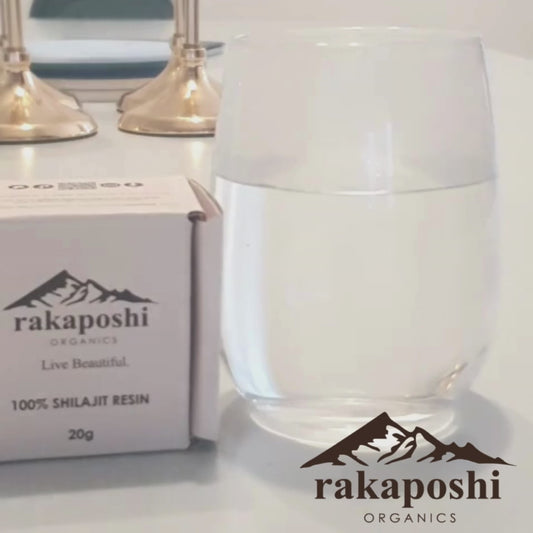
Discover authentic Rakaposhi Gold Shilajit—sourced from the Karakoram mountains of Gilgit-Baltistan, processed using traditional Aftabi sun-drying methods, independently lab-tested for purity and safety, and supporting fair trade practices. If you choose to incorporate traditional Ayurvedic approaches into your wellness journey, do so as one small component of comprehensive, evidence-based practices—not as an anti-aging solution, longevity enhancer, disease preventive, or replacement for proper exercise, nutrition, social connection, purpose, sleep, stress management, and medical care.