
The Fitness Recovery Formula: How to Bounce Back Faster from Workouts
Share
Recovery: Where Progress Actually Happens
Whether you're an athlete, a weekend warrior, or someone just starting a fitness journey, recovery is just as important as training itself. Without proper recovery, your muscles remain fatigued, inflammation lingers, and progress slows.
Training creates the stimulus for adaptation, but recovery is when that adaptation actually occurs. Understanding the science of recovery—and implementing evidence-based strategies—can help you bounce back faster, reduce soreness, and optimize performance naturally.
In this guide, we'll break down:
- The science behind muscle recovery and inflammation
- How cellular energy production affects endurance and recovery
- Evidence-based post-workout nutrition and recovery habits
- Traditional approaches to recovery, including adaptogenic herbs like shilajit
Why Muscle Recovery Matters More Than You Think
Recovery is when real progress happens. Training breaks down muscle fibers through mechanical stress; recovery rebuilds them stronger through a process called muscle protein synthesis. If you neglect recovery, you risk:
Slower muscle repair, leading to prolonged soreness and delayed strength gains
Increased inflammation, which can cause joint stiffness and reduced range of motion
Reduced energy levels, affecting the quality of future workouts and creating a downward performance spiral
Higher injury risk, from overworked muscles, tendons, and connective tissues that haven't had adequate time to repair
Understanding recovery isn't just about feeling better—it's about creating the physiological conditions for adaptation and growth.
The Science of Post-Workout Recovery
What Happens During Recovery?
When you finish a workout, several critical processes begin:
Muscle Protein Synthesis (MPS): Your body repairs damaged muscle fibers and builds new protein structures, making muscles stronger and more resilient.
Glycogen Replenishment: Carbohydrate stores in muscles (glycogen) that were depleted during exercise need to be restored for future performance.
Inflammation Resolution: Exercise-induced inflammation is a normal part of the adaptation process, but this inflammation needs to be resolved efficiently to prevent chronic issues.
Hormonal Rebalancing: Stress hormones like cortisol, which elevate during exercise, need to return to baseline levels for optimal recovery.
ATP Restoration: Adenosine triphosphate (ATP), the cellular energy currency, must be replenished in muscle cells for future contractions.
Each of these processes requires specific nutrients, adequate rest, and optimal physiological conditions.
The Ultimate Recovery Blueprint: Evidence-Based Strategies
1. Prioritize Post-Workout Nutrition
Your body needs the right nutrients immediately after exercise to repair muscles, replenish glycogen stores, and manage inflammation. What you eat within the first 30-90 minutes post-workout can significantly influence how quickly you recover.
The Recovery Nutrition Framework
Protein (20-40g): Essential for muscle protein synthesis. Research shows that consuming protein post-workout maximizes the muscle-building response. Opt for high-quality sources like grass-fed beef, wild-caught fish, eggs, Greek yogurt, and plant-based proteins such as lentils and quinoa.
Healthy Fats: Help manage inflammation and support hormone production. Include sources like avocados, nuts, olive oil, and fatty fish rich in omega-3 fatty acids.
Complex Carbohydrates (0.5-0.7g per pound of body weight): Restore depleted glycogen levels and aid muscle recovery. Research shows that combining carbs with protein enhances glycogen replenishment. Stick to whole-food sources like sweet potatoes, oats, brown rice, and fruit.
Hydration: Recovery isn't just about food. Water and electrolyte balance play crucial roles in preventing muscle cramps, supporting nutrient transport, and facilitating waste removal from muscle tissue.
Sample Post-Workout Meals
- Grilled salmon with sweet potato and steamed broccoli
- Greek yogurt with berries, honey, and almonds
- Grass-fed beef stir-fry with brown rice and mixed vegetables
- Protein smoothie with banana, spinach, almond butter, and oats
2. Optimize Hydration & Electrolyte Balance
Proper hydration goes beyond drinking water. During exercise, your body loses electrolytes through sweat, which must be replenished to avoid muscle cramping, fatigue, and headaches.
Why Electrolytes Matter
Magnesium: Involved in over 300 enzymatic reactions, including muscle contraction and relaxation. Deficiency is associated with muscle cramps and impaired recovery.
Potassium: Critical for muscle function and nerve signaling. Helps prevent cramping and supports cardiovascular function during exercise.
Sodium: Often demonized but essential for athletes. Sodium loss through sweat must be replaced to maintain fluid balance and prevent hyponatremia (low blood sodium).
Calcium: Plays a role in muscle contractions and bone health, especially important for high-impact activities.
Hydration Strategy
- Drink at least half your body weight in ounces of water daily (e.g., 150 lbs = 75 oz minimum)
- Add 16-24 oz for every hour of intense exercise
- Replenish electrolytes naturally with coconut water, Himalayan pink salt, mineral-rich foods, and electrolyte supplements without added sugars
Minerals and Traditional Recovery Approaches
Traditional medicine systems have long emphasized mineral-rich substances for recovery. Himalayan shilajit, formed through geological processes over millennia, contains over 80 trace minerals in their naturally occurring forms. In Ayurvedic tradition, shilajit has been used as part of recovery protocols for physical exertion, valued for its mineral density and traditional association with vitality.
Some research has examined shilajit's mineral content and its potential relationship to electrolyte balance, though more studies are needed. Traditional practitioners often combined shilajit with proper nutrition and rest as part of comprehensive recovery approaches.
3. Sleep Smarter for Muscle Regeneration
Deep, quality sleep is when your body does most of its muscle repair and growth. This isn't just folk wisdom—it's backed by extensive research on growth hormone secretion, protein synthesis, and recovery processes.
What Poor Sleep Does to Recovery
Research shows that inadequate sleep can:
- Reduce growth hormone production by up to 70%, which is essential for tissue regeneration and muscle repair
- Increase cortisol levels, leading to higher inflammation and muscle breakdown
- Impair protein synthesis, slowing down the muscle-building process
- Decrease testosterone levels, affecting strength gains and recovery capacity
- Reduce glycogen replenishment, leaving you with less energy for subsequent workouts
Sleep Optimization for Athletes
To maximize recovery, aim for 7-9 hours of uninterrupted sleep each night. Quality matters as much as quantity:
Sleep Hygiene Essentials:
✅ Eliminate blue light exposure 1-2 hours before bed (use blue light blocking glasses if needed)
✅ Create a cool environment (65-68°F is optimal for deep sleep)
✅ Make your room completely dark (blackout curtains or sleep mask)
✅ Maintain consistent sleep/wake times, even on weekends, to regulate circadian rhythm
✅ Avoid caffeine after 2 PM (caffeine has a 5-6 hour half-life)
✅ Consider magnesium supplementation in the evening (glycinate form is best for sleep)
Traditional Sleep Support
Some traditional practices include adaptogenic herbs as part of evening routines. Shilajit has been used in Ayurvedic medicine in relation to stress adaptation and rest, though research on shilajit specifically for sleep is limited. Traditional use emphasized it as part of holistic approaches that included proper sleep hygiene, stress management, and dietary practices.
4. Use Active Recovery & Mobility Training
Recovery doesn't mean doing nothing. Active recovery techniques can actually speed up muscle repair by improving circulation, reducing stiffness, and facilitating waste product removal from muscle tissue.
Active Recovery Strategies
Low-Impact Movement (20-30 minutes):
- Walking, swimming, or cycling at 40-50% of max effort
- Helps flush out metabolic waste products like lactate
- Increases blood flow to muscles without creating additional stress
- Research shows active recovery can reduce muscle soreness more effectively than complete rest
Mobility Drills & Stretching:
- Dynamic stretching before workouts (leg swings, arm circles)
- Static stretching post-workout (hold 30-60 seconds per muscle group)
- Yoga or dedicated mobility sessions 1-2x per week
- Keeps joints healthy and prevents stiffness that can limit performance
Soft Tissue Work:
- Foam rolling (myofascial release) for 10-15 minutes
- Massage therapy (professional or self-massage)
- Percussion therapy devices (Theragun, Hypervolt)
- Improves blood flow and relieves tension in overworked muscles
Contrast Therapy:
- Alternating hot and cold exposure (3 min hot, 1 min cold, repeat 3-4x)
- Ice baths (10-15 minutes at 50-59°F) for intense inflammation
- Sauna sessions (15-20 minutes) to promote circulation and relaxation
- Research shows contrast therapy can reduce muscle soreness and improve recovery markers
Consistency is Key
Incorporating even 10-15 minutes of intentional movement on rest days can dramatically improve overall recovery time, flexibility, and readiness for the next training session.
Cellular Energy and Recovery: The ATP Connection
Understanding cellular energy production helps explain why recovery takes time and why certain strategies work.
What is ATP and Why Does It Matter?
ATP (adenosine triphosphate) is the energy currency of cells. Every muscle contraction requires ATP. During intense exercise:
- ATP stores in muscles deplete rapidly (within seconds)
- Your body must regenerate ATP through various metabolic pathways
- This regeneration requires oxygen, nutrients, and time
- Incomplete ATP restoration leads to fatigue and reduced performance
Supporting Mitochondrial Function
Mitochondria are the "powerhouses" of cells where ATP is produced. Supporting mitochondrial health through nutrition, sleep, and stress management is crucial for recovery.
Nutrients that support mitochondrial function:
- CoQ10 (found in organ meats, fatty fish)
- B vitamins (whole grains, eggs, leafy greens)
- Magnesium (nuts, seeds, dark chocolate)
- Antioxidants (berries, dark leafy greens, green tea)
Traditional Approaches to Energy and Vitality
In Ayurvedic medicine, shilajit has been traditionally associated with energy and vitality. Some research has examined compounds in shilajit, particularly fulvic acid and dibenzo-alpha-pyrones, in relation to mitochondrial function and cellular energy production.
A few small studies have looked at shilajit supplementation and exercise performance markers, with some showing associations with reduced fatigue indicators. However, this research is preliminary, and more rigorous studies are needed to understand mechanisms and effects.
Traditional use emphasized shilajit as part of comprehensive approaches that included proper nutrition, rest, and training periodization—not as a standalone performance enhancer.
Managing Exercise-Induced Inflammation
Inflammation after exercise is normal and necessary for adaptation. However, excessive or prolonged inflammation can slow recovery and increase injury risk.
The Inflammation Balance
Acute inflammation (24-72 hours post-exercise):
- Normal part of muscle repair process
- Signals immune cells to clear damaged tissue
- Triggers growth factors that stimulate muscle building
Chronic inflammation (persistent):
- Can impair recovery and performance
- Associated with overtraining syndrome
- May increase injury risk and slow adaptation
Natural Anti-Inflammatory Strategies
Nutrition-Based:
- Omega-3 fatty acids (fatty fish, walnuts, flaxseed)
- Tart cherry juice (research shows it reduces muscle soreness)
- Turmeric/curcumin (potent anti-inflammatory compound)
- Ginger (traditional anti-inflammatory herb)
- Colorful vegetables (rich in polyphenols and antioxidants)
Lifestyle-Based:
- Adequate sleep (reduces inflammatory markers)
- Stress management (chronic stress increases inflammation)
- Avoiding excessive alcohol (impairs recovery and increases inflammation)
- Proper training periodization (prevents overtraining)
Traditional Anti-Inflammatory Approaches
Various traditional medicine systems have used specific herbs for inflammation management. Shilajit has been used in Ayurvedic practice in relation to inflammation, and some research has examined its effects on inflammatory markers, though results are mixed and more studies are needed.
Research on shilajit and cortisol regulation is limited. While some traditional sources suggest it may play a role in stress hormone balance, this should be viewed as preliminary and requiring further investigation.
Creating Your Personalized Recovery Protocol
Every athlete is different. Your recovery needs depend on training intensity, age, genetics, stress levels, and nutrition status. Here's how to build a personalized approach:
Daily Recovery Routine
Immediately Post-Workout:
- Consume 20-40g protein + carbohydrates within 30-90 minutes
- Rehydrate with water and electrolytes
- Perform 10-15 minutes of light movement or stretching
Throughout the Day:
- Continue hydrating (monitor urine color—pale yellow is ideal)
- Eat nutrient-dense meals every 3-4 hours
- Include anti-inflammatory foods at each meal
- Optional: 300-500mg shilajit resin dissolved in warm water (following traditional use patterns)
Evening:
- Light dinner 2-3 hours before bed
- Magnesium supplementation (300-400mg)
- Screen-free time 1-2 hours before sleep
- Consistent bedtime to regulate circadian rhythm
Weekly:
- 1-2 complete rest days (or active recovery only)
- 1-2 mobility/yoga sessions
- Foam rolling or massage 2-3x per week
- Monitor training load and adjust intensity as needed
Where Shilajit Fits in Recovery
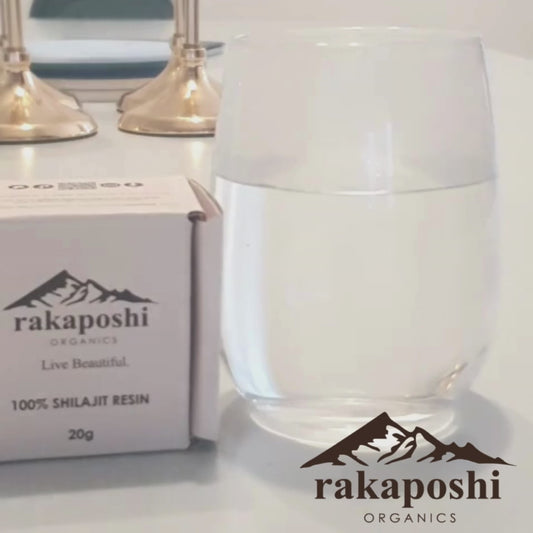
In traditional Ayurvedic practice, shilajit has been used as part of recovery protocols for physical exertion. Following traditional patterns, 300-500mg of purified shilajit resin can be dissolved in warm water and consumed daily, often in the morning or post-workout.
Important Context:
Shilajit should be viewed as one component of a comprehensive recovery approach, not a replacement for fundamental strategies like nutrition, sleep, and proper training periodization. Traditional use always emphasized it within holistic frameworks.
Individual responses vary, and quality matters significantly. Look for shilajit that is:
- Sourced from high-altitude regions (Himalayas, Altai mountains)
- Processed using traditional methods (sun-drying/Aftabi)
- Third-party lab tested for purity and heavy metals
- Free from additives or fillers
Consult a healthcare provider before adding shilajit to your routine, especially if you have medical conditions or take medications.
Elevate Your Recovery Naturally
Every training session is only as good as your recovery. Whether you're lifting heavy, running marathons, or simply staying active, understanding and implementing evidence-based recovery strategies gives you the foundation for consistent progress.
The recovery formula isn't complicated:
✅ Nutrition: Adequate protein, carbohydrates, healthy fats, and micronutrients ✅ Hydration: Water and electrolyte balance throughout the day ✅ Sleep: 7-9 hours of quality sleep in a dark, cool environment ✅ Movement: Active recovery and mobility work on rest days ✅ Stress Management: Techniques to keep cortisol in check ✅ Traditional Support: Optional use of adaptogens like shilajit as part of holistic approaches
By combining smart nutrition, hydration, sleep, and movement with an understanding of recovery science, you can bounce back faster, feel stronger, and perform at your peak—day after day.
Recovery isn't passive rest—it's active preparation for your next challenge.
Frequently Asked Questions
How long does muscle recovery actually take?
Recovery time varies based on training intensity, muscle groups worked, and individual factors. Light workouts may require 24-48 hours, while intense strength training can require 48-72 hours for full recovery. Factors like age, nutrition, sleep quality, and stress levels all influence recovery speed.
What should I eat immediately after a workout?
Research supports consuming 20-40g of protein combined with carbohydrates within 30-90 minutes post-workout. Good options include Greek yogurt with fruit, a protein smoothie with banana and oats, or a meal with lean protein and sweet potato. The exact timing is less critical than overall daily nutrition, but post-workout is an opportune time for nutrient delivery.
Does shilajit actually help with workout recovery?
Shilajit has been used in traditional Ayurvedic medicine for recovery from physical exertion. Some preliminary research has examined its effects on fatigue markers and cellular energy production, with mixed results. It contains minerals and fulvic acid that may support recovery processes, but it should be viewed as complementary to fundamental recovery strategies (nutrition, sleep, hydration), not a replacement. More rigorous research is needed.
Is active recovery better than complete rest?
Research shows that light active recovery (walking, swimming, easy cycling at 40-50% effort) can reduce muscle soreness more effectively than complete rest by improving blood flow and facilitating metabolic waste removal. However, complete rest days are also important for psychological recovery and preventing overtraining. A mix of both approaches is ideal.
How much sleep do I really need for optimal recovery?
Most research indicates 7-9 hours per night for optimal recovery, with athletes often benefiting from the higher end of that range. Sleep quality matters as much as quantity—deep sleep stages are when growth hormone peaks and muscle protein synthesis is highest. Consistent sleep/wake times and good sleep hygiene are crucial.
Can I take shilajit with other supplements?
Shilajit can generally be combined with other supplements, and some traditional formulations include multiple herbs. However, consult a healthcare provider about specific combinations, especially if you take medications. Shilajit's fulvic acid content may enhance absorption of other nutrients, which could affect dosing of certain supplements or medications.
What's the best way to reduce muscle soreness?
A combination approach works best: adequate protein intake (1.6-2.2g per kg body weight daily), staying hydrated, light active recovery, foam rolling, adequate sleep, and anti-inflammatory foods like tart cherry juice or omega-3s. Muscle soreness (DOMS) typically peaks 24-72 hours post-workout and resolves on its own, but these strategies can reduce severity and duration.
The Path to Consistent Progress
Recovery isn't glamorous. It doesn't involve heavy weights, personal records, or dramatic transformations. But it's the foundation that makes all of those things possible.
The athletes who progress consistently aren't necessarily the ones who train the hardest—they're the ones who recover the smartest. They understand that adaptation happens during rest, not during training. They prioritize sleep like it's part of their training program. They view nutrition as fuel and building blocks, not just calories.
By implementing the strategies in this guide—evidence-based nutrition, strategic hydration, quality sleep, active recovery, and optional traditional support like shilajit—you create the conditions for your body to adapt, grow stronger, and perform at its best.
Start with the fundamentals. Master sleep, nutrition, and hydration first. Then layer in additional strategies that resonate with your lifestyle and goals. Recovery is personal, and what works for one athlete may not work for another.
The key is consistency. Small, intentional recovery practices compound over time into significant performance gains and injury prevention.
Discover authentic Rakaposhi Gold Shilajit—sourced from the Karakoram mountains of Gilgit-Baltistan, processed using traditional Aftabi sun-drying methods, independently lab-tested for purity and safety, and supporting fair trade practices. Experience a traditional approach to recovery and vitality.