
Beauty from Within: How Nutrition Fuels Radiant Skin and Strong Hair
Share
The Foundation of Natural Beauty
Radiant skin and lustrous hair are often considered signs of health and vitality. But achieving them isn't just about external treatments—it's about nourishing your body from within. What we eat directly impacts our skin's appearance, hair strength, and overall vitality.
In this guide, we'll explore the essential nutrients your body needs for skin and hair health, how they work at the cellular level, evidence-based dietary strategies, and how traditional approaches like Himalayan shilajit fit into holistic beauty wellness.
The Connection Between Nutrition and Natural Beauty
What you put on your plate plays a significant role in determining the health of your skin and hair. This isn't just folk wisdom—it's supported by extensive research in dermatology and nutritional science.
How Nutrition Affects Skin and Hair
Cellular Repair and Regeneration: Your skin completely renews itself approximately every 28 days. Hair grows continuously from follicles. Both processes require adequate nutrients—proteins, vitamins, minerals, and healthy fats—to function optimally.
Collagen and Structural Protein Production: Skin's firmness and elasticity depend on collagen and elastin. Hair's structure depends on keratin. Your body synthesizes these proteins from amino acids, requiring specific vitamins and minerals as cofactors.
Protection Against Oxidative Stress: Environmental factors (UV radiation, pollution, stress) generate free radicals that damage skin and hair cells. Antioxidants from food help neutralize these free radicals, protecting against premature aging.
Inflammation Management: Chronic low-grade inflammation contributes to skin conditions (acne, eczema, psoriasis, premature aging) and hair issues (thinning, loss). Diet significantly influences inflammatory markers.
Hydration and Barrier Function: Skin's lipid barrier retains moisture and protects against environmental damage. This barrier depends on adequate hydration and healthy fats from diet.
Understanding these mechanisms helps you make informed nutritional choices for skin and hair health.
Key Nutrients for Glowing Skin
1. Vitamin C: The Collagen Cofactor
Why it matters: Vitamin C is absolutely essential for collagen synthesis—it's a required cofactor for enzymes that stabilize collagen structure. Without adequate vitamin C, collagen production is impaired.
Research shows:
- Vitamin C is a powerful antioxidant that protects skin from UV damage and oxidative stress
- Higher vitamin C intake is associated with better skin appearance and fewer wrinkles
- Topical and dietary vitamin C both support skin health
Best food sources:
- Citrus fruits (oranges, grapefruit, lemons)
- Berries (strawberries, blueberries, raspberries)
- Bell peppers (especially red)
- Kiwi fruit
- Broccoli and Brussels sprouts
- Tomatoes
Recommendation: Aim for 75-90mg daily (easily achieved through diet). Vitamin C is water-soluble, so regular intake is important.
2. Healthy Fats: Hydration from the Inside Out
Why they matter: Your skin's lipid barrier is composed of fatty acids, ceramides, and cholesterol. This barrier retains moisture and protects against environmental damage. Dietary fats directly influence this barrier's composition and function.
Omega-3 Fatty Acids (EPA and DHA):
- Support skin's lipid barrier
- Have anti-inflammatory properties that may help with inflammatory skin conditions
- Associated with improved skin hydration and reduced sensitivity
Best sources:
- Fatty fish (salmon, mackerel, sardines, anchovies)
- Walnuts
- Flaxseeds and chia seeds
- Algae oil (for vegetarians/vegans)
Omega-6 Fatty Acids (in balance):
- Also important for skin barrier function
- Found in nuts, seeds, and plant oils
- Balance with omega-3s is important (modern diets often have too much omega-6 relative to omega-3)
Monounsaturated Fats:
- Support overall skin health
- Found in olive oil, avocados, almonds
Recommendation: Include fatty fish 2-3x per week, plus daily servings of nuts, seeds, and healthy oils.
3. Vitamin E: Antioxidant Protection
Why it matters: Vitamin E is a fat-soluble antioxidant that protects cell membranes from oxidative damage. It works synergistically with vitamin C.
Research shows:
- Protects skin from UV damage
- Supports skin barrier function
- May reduce inflammation
- Works better in combination with vitamin C than alone
Best sources:
- Almonds and sunflower seeds
- Avocados
- Spinach and other leafy greens
- Olive oil
- Wheat germ
4. Zinc: The Skin-Healing Mineral
Why it matters: Zinc is involved in over 300 enzymatic reactions, including those critical for:
- Cell division and growth
- Wound healing
- Protein synthesis (including collagen)
- Immune function (relevant for acne and inflammatory skin conditions)
Research shows:
- Zinc deficiency is associated with skin issues including delayed wound healing, dermatitis, and hair loss
- Adequate zinc supports skin repair and may help with acne
- Zinc has anti-inflammatory properties
Best sources:
- Oysters (highest concentration)
- Beef and lamb
- Pumpkin seeds and hemp seeds
- Lentils and chickpeas
- Cashews and almonds
Note: Zinc from animal sources is more bioavailable than from plant sources. Vegetarians may need higher intake.
5. Vitamin A and Beta-Carotene
Why they matter: Vitamin A is essential for skin cell production and repair. It supports the skin's natural renewal process.
Research shows:
- Vitamin A deficiency causes dry, rough skin
- Retinoids (vitamin A derivatives) are among the most researched anti-aging compounds
- Beta-carotene (provitamin A) has antioxidant properties
Best sources:
- Preformed vitamin A: Liver, egg yolks, dairy
- Beta-carotene: Sweet potatoes, carrots, butternut squash, spinach, kale
Caution: Excessive vitamin A supplementation can be toxic. Food sources are safe and preferred.
6. Polyphenols and Antioxidants
Why they matter: These plant compounds have antioxidant and anti-inflammatory properties that protect skin from damage and aging.
Research-backed sources:
- Green tea: Contains EGCG, which may protect against UV damage and improve skin elasticity
- Dark chocolate/cocoa: Flavonoids may improve skin hydration and protect against sun damage
- Berries: Anthocyanins and other antioxidants protect against oxidative stress
- Tomatoes: Lycopene may provide some UV protection
- Grapes/red wine: Resveratrol has antioxidant properties (moderation with alcohol)
Essential Nutrients for Strong, Healthy Hair
1. Protein: The Building Block
Why it matters: Hair is approximately 95% protein, specifically a protein called keratin. Inadequate protein intake can lead to weak, brittle hair and even hair loss.
Research shows:
- Protein deficiency causes hair to enter resting phase (telogen), leading to shedding
- Adequate protein supports hair growth and strength
- Both quantity and quality of protein matter
Best sources:
- Lean meats (chicken, turkey, lean beef)
- Fish and seafood
- Eggs (especially egg whites for protein, yolks for biotin)
- Greek yogurt and cottage cheese
- Legumes (beans, lentils, chickpeas)
- Quinoa and other whole grains
Recommendation: Aim for 0.8-1g of protein per pound of body weight daily, distributed across meals.
2. Biotin (Vitamin B7): The Hair Strengthener
Why it matters: Biotin is essential for keratin production. Deficiency (though rare) causes hair loss and brittle hair.
Research shows:
- Biotin deficiency definitely causes hair problems
- Supplementation helps if you're deficient
- Benefits for people with adequate biotin are less clear
- Many "hair growth" supplements contain biotin, but evidence for supplementation in non-deficient people is limited
Best sources:
- Egg yolks (cooking doesn't destroy biotin; raw egg whites contain avidin which binds biotin)
- Almonds and other nuts
- Sweet potatoes
- Spinach and broccoli
- Whole grains
- Salmon
Note: Biotin deficiency is rare in people eating varied diets. Supplementation is unlikely to help if you're not deficient.
3. Iron: Fuel for Follicles
Why it matters: Iron deficiency is one of the most common nutritional deficiencies worldwide and a leading cause of hair loss, especially in women.
Research shows:
- Iron is essential for red blood cell production, which delivers oxygen to hair follicles
- Iron deficiency (even without anemia) is associated with hair loss
- Correcting deficiency can improve hair growth, though it takes time
Best sources:
- Heme iron (more bioavailable): Red meat, poultry, fish
- Non-heme iron: Spinach, lentils, beans, fortified cereals, pumpkin seeds
Tip: Vitamin C enhances iron absorption. Combine iron-rich foods with vitamin C sources (e.g., spinach salad with lemon dressing).
Important: Get iron levels tested before supplementing. Excess iron can be harmful.
4. B Vitamins: Energy and Growth
Why they matter: B vitamins support cellular energy production, red blood cell formation, and protein metabolism—all relevant for hair growth.
Key B vitamins for hair:
- B12: Deficiency causes hair loss. Found in animal products (vegetarians/vegans should supplement)
- Folate (B9): Supports cell division. Found in leafy greens, legumes, fortified grains
- Niacin (B3): Supports scalp circulation. Found in meat, fish, whole grains
- Pantothenic acid (B5): Supports hair follicle function. Found in many foods
Best approach: Eat a varied diet rich in whole grains, lean proteins, and vegetables rather than relying on supplements.
5. Omega-3 Fatty Acids
Why they matter: Omega-3s support scalp health, reduce inflammation, and may support hair growth.
Research shows:
- Omega-3s have anti-inflammatory properties that may help with scalp conditions
- They support hair follicle function
- Deficiency may contribute to dry, brittle hair
Best sources: Same as for skin—fatty fish, walnuts, flaxseeds, chia seeds, algae oil.
6. Zinc and Selenium
Why they matter: Both minerals support hair follicle health and growth.
Research shows:
- Zinc deficiency causes hair loss
- Selenium supports thyroid function (thyroid issues affect hair)
- Both have antioxidant properties
Best sources:
- Zinc: Oysters, beef, pumpkin seeds, lentils
- Selenium: Brazil nuts (1-2 daily provides adequate selenium), fish, eggs, whole grains
Caution: Excessive selenium is toxic. Don't over-supplement.
The Role of Antioxidants in Beauty
Antioxidants protect your skin and hair from oxidative stress caused by UV radiation, pollution, stress, and normal metabolism. By neutralizing free radicals, they help prevent premature aging, fine lines, dullness, and hair damage.
How Oxidative Stress Affects Beauty
Skin:
- Breaks down collagen and elastin (causing wrinkles and sagging)
- Damages DNA in skin cells
- Contributes to hyperpigmentation
- Accelerates visible aging
Hair:
- Damages hair follicles
- Can contribute to premature graying
- Weakens hair structure
- May contribute to hair loss
Best Antioxidant-Rich Foods
- Berries (blueberries, strawberries, raspberries, blackberries)
- Dark leafy greens (spinach, kale, Swiss chard)
- Colorful vegetables (bell peppers, tomatoes, carrots)
- Green tea and matcha
- Dark chocolate (70%+ cacao)
- Nuts and seeds
- Herbs and spices (turmeric, cinnamon, oregano)
Recommendation: Eat a variety of colorful plant foods daily to get a broad spectrum of antioxidants.
Traditional Approaches to Beauty and Vitality
Various traditional medicine systems have emphasized the connection between internal health and external beauty.
Shilajit in Traditional Beauty and Vitality Practices
In Ayurvedic medicine, beauty (called "sundara") was viewed as a reflection of internal health and balance. Shilajit has been used in Ayurvedic tradition as part of comprehensive wellness approaches that included diet, lifestyle practices, and herbal formulations.
What Traditional Texts Describe
Traditional Ayurvedic texts describe shilajit in relation to:
- Overall vitality and rejuvenation ("rasayana")
- Supporting tissue health and strength
- Promoting balance and wellness
However, traditional use always emphasized shilajit as part of holistic protocols including proper diet, digestion, sleep, stress management, and other herbs—not as a standalone beauty treatment.
What Research Has Examined
Fulvic Acid and Nutrient Transport:
Shilajit contains fulvic acid, a complex organic compound. Some research has examined fulvic acid's properties:
- Laboratory studies have looked at fulvic acid's ability to chelate (bind) minerals
- Some research suggests fulvic acid may influence nutrient transport at the cellular level
- These are mostly in vitro (test tube) studies with unclear relevance to human beauty outcomes
Antioxidant Properties:
Laboratory studies show shilajit has antioxidant activity in test tubes. However, many substances have antioxidant properties in laboratory settings that don't translate to meaningful health or beauty benefits in humans.
Preliminary Research:
A few very small studies have examined shilajit in relation to various health markers, but there are NO rigorous human clinical trials examining:
- Shilajit's effects on skin appearance, elasticity, or aging
- Shilajit's effects on collagen production in humans
- Shilajit's effects on hair growth, strength, or quality
- Shilajit's effects on inflammation in skin or scalp
- Shilajit's effects on circulation to skin or hair follicles
Traditional Context
In Ayurvedic practice, beauty protocols emphasized:
- Proper digestion and elimination
- Adequate sleep and rest
- Stress management
- Appropriate diet for one's constitution
- External treatments (oils, masks, etc.)
- Seasonal routines
Shilajit was one potential component of comprehensive wellness approaches, not a standalone beauty solution.
Realistic Expectations
Claims that shilajit:
- "Supports collagen production"
- "Boosts collagen synthesis"
- "Fights inflammation in skin"
- "Improves circulation to hair follicles"
- "Helps transport nutrients to skin and hair cells"
- "Promotes clear complexion"
- "Supports strong, healthy hair"
...go beyond what current evidence supports.
While traditional use suggests shilajit may play a supportive role in comprehensive wellness approaches, it is not a proven beauty treatment or anti-aging remedy.
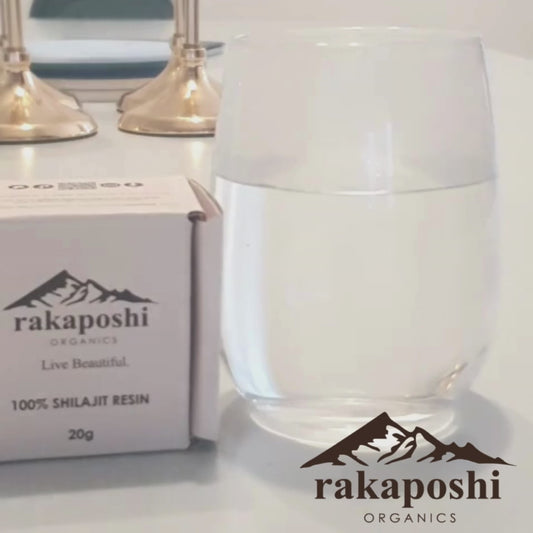
If you choose to incorporate shilajit as part of a holistic wellness routine (following traditional use patterns of 300-500mg resin dissolved in warm water), view it as one component of comprehensive self-care, not a replacement for evidence-based nutrition and lifestyle practices.
Foods to Limit for Better Skin and Hair Health
Just as certain foods support beauty, others can detract from it.
1. Excess Sugar and Refined Carbohydrates
Why they're problematic:
Glycation: High blood sugar leads to a process called glycation, where sugar molecules bind to proteins (including collagen and elastin), forming advanced glycation end products (AGEs). This damages skin structure, causing:
- Loss of elasticity
- Wrinkles and sagging
- Dull complexion
- Accelerated aging
Inflammation: High-glycemic foods spike blood sugar and insulin, promoting inflammation that can exacerbate acne and other skin conditions.
Hormonal effects: Insulin spikes can increase androgen production, which may worsen acne.
Foods to limit:
- Added sugars (sodas, candy, baked goods)
- White bread and refined grains
- Sugary breakfast cereals
- Processed snacks
Better alternatives: Whole grains, fruits (with fiber), vegetables, legumes
2. Excessive Dairy (For Some People)
Why it may be problematic:
Research shows mixed results, but some studies suggest:
- Dairy (especially skim milk) may worsen acne in some people
- Possible mechanisms include hormones in milk and insulin-stimulating effects
- Individual responses vary significantly
Recommendation: If you have persistent acne, try eliminating dairy for 4-6 weeks to see if it helps. Not everyone is affected.
3. Excessive Alcohol
Why it's problematic:
- Dehydrates skin, causing dullness and emphasizing fine lines
- Depletes B vitamins and other nutrients
- Increases inflammation
- Impairs sleep quality (affecting skin repair)
- Can weaken hair follicles over time
Recommendation: Limit to moderate intake (1 drink/day for women, 2 for men) or avoid entirely.
4. Trans Fats and Highly Processed Oils
Why they're problematic:
- Promote inflammation
- May damage cell membranes
- Associated with accelerated aging
Foods to avoid:
- Partially hydrogenated oils (trans fats)
- Highly processed vegetable oils in excess
- Fried foods from restaurants
Better alternatives: Olive oil, avocado oil, coconut oil (in moderation), nuts and seeds
Simple Daily Practices for Radiant Skin and Strong Hair
Nutrition-Based Practices
✅ Eat the rainbow: Include a variety of colorful fruits and vegetables daily to ensure diverse antioxidants and nutrients
✅ Prioritize protein: Include quality protein at each meal to support collagen and keratin production
✅ Include healthy fats: Fatty fish 2-3x per week, plus daily nuts, seeds, and olive oil
✅ Hydrate generously: Drink at least half your body weight in ounces of water daily (more if exercising or in hot climates)
✅ Limit sugar and processed foods: Reduce glycation and inflammation
✅ Include fermented foods: Support gut health, which influences skin health through the gut-skin axis
Lifestyle Practices
✅ Sleep well: 7-9 hours of quality sleep for cellular repair and regeneration. Skin cells regenerate most actively during sleep.
✅ Manage stress: Chronic stress increases cortisol, which can worsen skin conditions and contribute to hair loss. Practice meditation, deep breathing, or other stress-reduction techniques.
✅ Exercise regularly: Physical activity boosts circulation, delivering oxygen and nutrients to skin and hair. Aim for 150+ minutes weekly.
✅ Protect from sun: UV damage is the #1 cause of premature skin aging. Use sunscreen, wear protective clothing, seek shade.
✅ Don't smoke: Smoking dramatically accelerates skin aging and damages hair follicles.
✅ Limit alcohol: Excessive alcohol dehydrates and ages skin.
Optional Traditional Support
✅ Shilajit: If incorporating traditional approaches, 300-500mg resin dissolved in warm water daily, as part of comprehensive wellness routine (not as standalone beauty treatment)
When to Seek Professional Help
While nutrition and lifestyle form the foundation of skin and hair health, certain conditions warrant professional evaluation:
Skin concerns:
- Persistent acne that doesn't respond to lifestyle changes
- Eczema, psoriasis, or other inflammatory skin conditions
- Sudden changes in skin appearance
- Suspicious moles or lesions
- Severe dryness or sensitivity
Hair concerns:
- Sudden or excessive hair loss
- Bald patches
- Scalp conditions (severe dandruff, itching, inflammation)
- Hair loss accompanied by other symptoms (fatigue, weight changes, etc.)
A dermatologist can diagnose underlying conditions and recommend evidence-based treatments.
The Beauty-Health Connection
True beauty is a reflection of overall health. When you nourish your body with nutrient-dense foods, manage stress, sleep well, and move regularly, the benefits extend far beyond appearance:
- Improved energy and vitality
- Better mood and mental clarity
- Stronger immune function
- Reduced disease risk
- Enhanced quality of life
Radiant skin and healthy hair are wonderful side effects of a healthy lifestyle, not isolated goals to pursue through quick fixes or supplements alone.
Final Thoughts: Glow from the Inside Out
True beauty begins from within. By focusing on nutrient-dense nutrition—emphasizing colorful plants, quality proteins, healthy fats, and adequate hydration—you provide your body with the building blocks it needs for radiant skin and strong hair.
The Beauty Nutrition Hierarchy:
Foundation (Most Important):
- Adequate protein (0.8-1g per lb body weight)
- Diverse, colorful plant foods (antioxidants, vitamins, minerals)
- Healthy fats (omega-3s, monounsaturated fats)
- Adequate hydration
- Limit sugar and processed foods
Supporting Practices:
- Quality sleep (7-9 hours)
- Stress management
- Regular exercise
- Sun protection
- Avoid smoking and limit alcohol
Complementary Approaches:
- Targeted supplements if deficient (iron, vitamin D, B12, etc.)
- Traditional herbs as part of holistic wellness
- Quality skincare and haircare products
Remember, wellness is a holistic journey—what you eat, how you live, and the care you give yourself all play a part. There are no shortcuts or magic bullets, but consistent, evidence-based practices produce real, lasting results.
Start today. Add one more serving of vegetables. Drink an extra glass of water. Get to bed 30 minutes earlier. Your skin, hair, and entire body will thank you.
Discover authentic Rakaposhi Gold Shilajit—sourced from the Karakoram mountains of Gilgit-Baltistan, processed using traditional Aftabi sun-drying methods, independently lab-tested for purity and safety, and supporting fair trade practices. Experience a traditional approach to vitality and wellness as part of a comprehensive, evidence-based lifestyle.