
Discovering Gilgit-Baltistan: A Journey Through Time and Nature
Overview
Discover the breathtaking landscapes, rich history, and vibrant culture of Gilgit-Baltistan, Pakistan. This region, home to some of the world's highest peaks and the ancient Silk Route, offers stunning valleys like Hunza and Skardu. Explore its unique Himalayan minerals like shilajit, known for health benefits, while enjoying local cuisine and festivals. Ideal for adventurous travelers, plan your visit during summer for the best experience.
Table of Contents
- The Geography of Gilgit-Baltistan
- Mountain Ranges and Valleys
- A Walk Through History
- The Ancient Silk Route
- Historical Influences
- The Natural Wonders: Himalayan Minerals
- Understanding Himalayan Minerals
- What Research Has Examined
- User Experiences with Shilajit
- How to Use Shilajit
- Culture and Community in Gilgit-Baltistan
- Festivals and Celebrations
- Traditional Cuisine
- Planning Your Visit to Gilgit-Baltistan
- Essential Travel Tips
- Your Gateway to Nature and Wellness
Key Takeaways
- Geographical Significance: Gilgit-Baltistan is home to some of the world's highest peaks, including K2 and Nanga Parbat, making it a prime destination for mountaineers and nature lovers.
- Cultural Diversity: The region showcases unique cultures and traditions, with ethnic groups such as the Balti, Shina, and Burusho, each contributing to the local heritage.
- Historical Importance: Gilgit-Baltistan has a rich history tied to the ancient Silk Route, facilitating trade and cultural exchanges between East and West.
- Natural Resources: The region is known for its Himalayan minerals, particularly shilajit, which is prized for its health benefits, including stress relief and energy enhancement.
- Local Cuisine: Traditional dishes such as Chapshuro and Gyal reflect the region's rich culinary heritage, utilizing locally sourced ingredients.
- Travel Recommendations: The best time to visit is from May to September, with careful planning required for permits and local customs.
- Festivals: Events like the Shandur Polo Festival highlight the vibrant culture of Gilgit-Baltistan, attracting both locals and tourists.
Are you curious about the stunning Gilgit-Baltistan region? Known for its remarkable landscapes, rich history, and cultural diversity, this region is in the northern part of Pakistan, nestled in the magnificent foothills of the Himalayas. In this blog, we will take you on an enlightening journey through its geography, historical significance, and natural wonders, including the renowned Himalayan minerals that have captivated many for generations. So whether you're a traveler looking for your next adventure, a history enthusiast, or simply someone interested in the incredible natural resources the world has to offer, this post is for you!
The Geography of Gilgit-Baltistan
Gilgit-Baltistan, often referred to as the 'Crown of Pakistan,' is marked by its stunning landscapes and unique geographical features. This region boasts some of the highest peaks in the world, including K2, Nanga Parbat, and Gasherbrum. The convergence of the three great mountain ranges - the Himalayas, the Karakoram, and the Hindu Kush - creates a dramatic tapestry of rocky slopes, verdant valleys, and glistening glaciers.
Mountain Ranges and Valleys
The Himalayan range casts a majestic shadow over the landscapes of Gilgit-Baltistan. Visitors often rave about the unparalleled beauty of valleys such as Hunza, Skardu, and Nagar. Each valley is noteworthy for its distinctive culture, history, and breathtaking views.
- Hunza Valley: Famous for its hospitality, terraced fields, and traditional villages, the Hunza Valley is an oasis of serenity and vibrant culture.
- Skardu Valley: A gateway to K2 and home to stunning landscapes including Shangrila Resort and Kachura Lakes, Skardu offers an unforgettable experience.
- Nagar Valley: Known for its orchards, this valley is nestled next to Hunza and is famous for its idyllic scenery and the impressive Rakaposhi peak.
A Walk Through History
Although Gilgit-Baltistan is recognized today for its natural beauty, it has a history that dates back thousands of years. This region has witnessed diverse cultures and civilizations, from ancient Buddhist communities to more contemporary influences.
The Ancient Silk Route
Gilgit-Baltistan played a crucial role in connecting the East and West through the ancient Silk Route. This trade route facilitated cultural exchanges and the movement of goods, including silk, spices, and precious stones. Interestingly, the region was also influential in spreading Buddhism in its early days, with seral archaeological sites holding ancient Buddhist carvings and stupas.
Historical Influences
Throughout history, various empires and kingdoms have ruled over this region, each leaving a mark on its culture and traditions.
- The Great Kushan Empire: The presence of this ancient empire has contributed to the spread of Buddhism.
- Persian and Greek Influences: The rich blend of cultural influences from the Persian Empire and later Greek invaders has shaped the historical architecture and art found in the region.
- The Mughal Era: The rulers of the Mughal Empire brought in grandeur and exquisite architectural styles still admired in structures like the Baltit Fort.
The Natural Wonders: Himalayan Minerals
The charm of Gilgit-Baltistan extends beyond its stunning peaks and rich history; it is also home to remarkable natural resources, particularly Himalayan minerals. Renowned for their purity and unique properties, these minerals contribute to the well-being of many individuals.
Understanding Himalayan Minerals
Himalayan minerals are natural substances mined from the mountains that have been used traditionally for health benefits. Among these minerals, shilajit stands out due to its composition rich in fulvic acid and various trace minerals. Let’s explore the traditional uses of shilajit and stress-relief experiences reported by users.
Shilajit and Stress Relief
Many users have reported that shilajit helps in managing stress and fatigue, allowing individuals to regain energy and improve their overall well-being. Traditionally used in Ayurvedic medicine, shilajit is a resinous substance that forms from the decomposition of plant material in the rocks of the Himalayas. It is believed to contain numerous beneficial elements, including essential Himalayan minerals, making it a popular choice among natural wellness enthusiasts.

What Research Has Examined
Research has examined the potential benefits associated with shilajit, particularly its effects on energy levels and mental clarity. While there has been some supportive research highlighting the possible advantages of fulvic acid, it’s important to remain realistic about expectations. While some studies have suggested positive outcomes, it’s essential to acknowledge limitations such as sample sizes and variability in results.
User Experiences with Shilajit
Some users report that incorporating shilajit into their daily routine has led to increased stamina and a more balanced mood. They claim that its rich mineral profile aids in bolstering energy levels, especially during periods of physical and mental stress. However, individual responses to shilajit can vary significantly, making personal experiences quite diverse.
How to Use Shilajit
If you're considering incorporating shilajit into your wellness regimen, it’s typically found in the form of a resin, powder, or capsules. Here’s how to use it effectively:
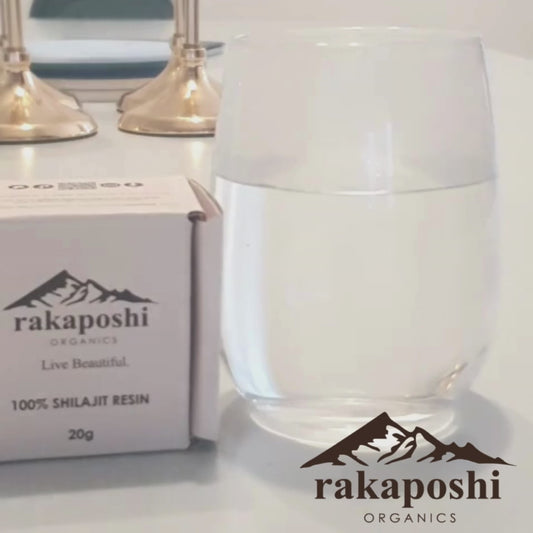
- Resin Form: Dissolve a small amount in warm water or milk and consume daily.
- Powder Form: Mix it into smoothies, or use it as a supplement with your favorite beverage.
- Capsules: Follow the recommended dosage instructions provided on the label.
Always consult with a healthcare provider before starting any new health supplement, particularly if you have underlying health conditions. Results vary, and understanding your body’s responses to any supplement is crucial.
Culture and Community in Gilgit-Baltistan
As we traverse through the historical and geographical facets of Gilgit-Baltistan, it’s essential to acknowledge the vibrant culture and warmth of its people. The locals, predominantly composed of ethnic groups such as the Balti, Shina, and Burusho, take immense pride in their rich traditions and history.
Festivals and Celebrations
The people of Gilgit-Baltistan celebrate their culture through various festivals and events. Notably, the annual Shandur Polo Festival attracts locals and tourists alike, showcasing exhilarating polo matches at the highest polo ground in the world. Another example is the Silk Route Festival, which celebrates the region’s historical significance and cultural diversity.
Traditional Cuisine
The cuisine of Gilgit-Baltistan is an expression of its rich cultural heritage, with influences from various regions. Traditional dishes often feature locally sourced ingredients, including whole grains, lentils, and fresh vegetables. Popular dishes include:
- Chapshuro: A type of stuffed meat pastry that is a favorite among locals.
- Gyal: A dish made with lentils and meat, usually accompanied by flatbread.
- Diram: A unique rice dish cooked with various spices that reflect the region’s flavors.
Planning Your Visit to Gilgit-Baltistan
If you’re inspired to explore Gilgit-Baltistan, careful planning is vital. The best time to visit is during the summer months (May to September), when the weather is relatively mild, and the landscapes are lush. Adventurers can engage in trekking, mountaineering, and cultural excursions to experience the rich tapestry of life in this beautiful region.
Essential Travel Tips
- Travel Documents: Ensure you have the necessary permits to visit certain areas in Gilgit-Baltistan.
- Local Guide: Hiring a local guide can enhance your experience by providing insights into the culture and history.
- Health Precautions: Keeping altitude sickness in mind is crucial for high-altitude regions. Proper acclimatization is recommended.
- Respect Local Customs: Familiarize yourself with local customs to foster positive interactions with the friendly locals.
Your Gateway to Nature and Wellness
As we reflect on the breathtaking landscapes, rich history, and vibrant cultures of Gilgit-Baltistan, it's evident that this region offers experiences beyond measure. Furthermore, the traditional use of Himalayan minerals, including shilajit in promoting stress relief and overall well-being, resonates with many seeking natural ways to bolster their energy levels and mental clarity. As you consider immersing yourself in the wonders of Gilgit-Baltistan, keep in mind the diverse experiences reported by users and remain open to the possibilities that nature has to offer. Remember, results vary, and it's advisable to consult a healthcare provider for medical concerns.
Frequently Asked Questions
1. What is Gilgit-Baltistan known for?
2. What are some key geographical features of Gilgit-Baltistan?
3. How did Gilgit-Baltistan contribute to historical trade?
4. What are Himalayan minerals, and why are they important?
5. What tips should travelers consider when visiting Gilgit-Baltistan?
Glossary
| Term | Meaning |
|---|---|
| Gilgit-Baltistan | A region in northern Pakistan known for its stunning landscapes and rich history. |
| Himalayas | A major mountain range in Asia, home to some of the world's highest peaks. |
| Shilajit | A natural resin used in traditional medicine, believed to enhance energy and wellness. |
| Silk Route | An ancient trade route connecting the East and West, facilitating cultural exchanges. |
| Hunza Valley | A picturesque valley famous for its hospitality and breathtaking views. |
| Skardu Valley | A valley known as a gateway to K2, featuring stunning landscapes and lakes. |
| Altitude Sickness | A condition caused by high altitudes, leading to symptoms like headaches and nausea. |
| Fulvic Acid | A compound in shilajit believed to provide health benefits and improve energy levels. |
| Chapshuro | A traditional stuffed meat pastry popular in Gilgit-Baltistan. |
| Shandur Polo Festival | An annual festival showcasing polo matches at the highest polo ground in the world. |
Linked Product

Rakaposhi Gold 20 grams - Sundried Himalayan Shilajit
Rakaposhi Gold 20 grams of sundried Himalayan shilajit is sourced from the pristine Hunza Valley at high altitudes, ensuring its purity and potency. This product undergoes a traditional sun-drying process to maintain its natural integrity, making it a valuable addition to wellness routines. Each batch is rigorously tested for safety and is free from additives, offering a natural option for those seeking mineral-rich supplements.
View Product