
Discovering Shilajit: Its Essence and Cultural Legacy in Himalayan Traditions
Share
What is Shilajit?
Shilajit is a natural resin that seeps from the cracks of rocks in high mountain ranges, primarily the Himalayas, during the warm months. It is formed over centuries from the decomposition of plant material and other organic compounds, which undergo complex geological and chemical processes. This accumulation of minerals and organic substances makes shilajit a unique natural substance that has been valued across multiple traditional medicine systems for thousands of years.
The Geological Formation of Shilajit
The formation of shilajit is a slow natural process that takes place over hundreds to thousands of years. As plant materials from high-altitude flora decompose in the mineral-rich soil of mountain environments, they combine with rock minerals under specific conditions of temperature, pressure, and microbial activity. This geological process creates a resin containing a complex mixture of organic and inorganic compounds that reflect the unique botanical and mineral environment of the Himalayas.
The Composition of Shilajit
Shilajit's unique composition is the result of its geological formation and includes naturally occurring organic compounds formed during plant decomposition over extended periods, trace minerals including zinc, iron, magnesium, calcium, and potassium absorbed from the mountain environment, amino acids naturally present from the original plant sources, and various organic acids and phytonutrients reflecting the diverse Himalayan plant species.
These components form the foundation of shilajit's traditional value in various wellness practices, making it a sought-after substance in traditional medicine systems.
The Cultural Significance of Shilajit
Across centuries and cultures, shilajit has transcended mere usage—it is deeply embedded in cultural narratives, traditional medicine systems, and spiritual practices. Its significance extends beyond its physical properties to represent a connection between humans and the mountain environment.
Shilajit in Ayurveda: The Rasayana Tradition
In Ayurveda, one of the world's oldest holistic healing systems originating in India over 3,000 years ago, shilajit holds a revered position as a "Rasayana"—a category of substances valued in traditional practice for their role in wellness routines.
Ancient Ayurvedic Texts
Ancient Ayurvedic texts such as the Charaka Samhita and Sushruta Samhita mention shilajit with reverence, describing it as a substance formed in the mountains and valued for its mineral richness. These classical texts, written thousands of years ago, provide detailed descriptions of shilajit's characteristics, traditional preparation methods, and its place in holistic wellness approaches.
Traditional Ayurvedic Perspectives
The wisdom of Ayurveda suggests that incorporating shilajit into daily routines can support the balance of doshas—the three vital energies (Vata, Pitta, Kapha) that govern bodily functions according to Ayurvedic philosophy. Traditional Ayurvedic practitioners valued shilajit as part of comprehensive wellness approaches that included diet, lifestyle practices, seasonal adjustments, and herbal preparations.
It's important to note that these are traditional cultural perspectives and practices, distinct from modern medical claims.
Shilajit in Traditional Tibetan Medicine
Traditional Tibetan Medicine, another ancient healing system with roots stretching back over 2,500 years, also recognizes shilajit as a valued substance. In Tibetan, shilajit is known by various names and is considered part of the traditional pharmacopeia.
Holistic Tibetan Approaches
Traditional Tibetan Medicine takes a holistic approach to health, viewing physical well-being as interconnected with mental and spiritual balance. Within this framework, shilajit has been used in traditional formulations aimed at supporting overall vitality and balance. Tibetan healers traditionally combined shilajit with other botanicals in preparations designed according to ancient texts and passed-down knowledge.
Cultural Practices in the Himalayas
In Himalayan communities where both Ayurvedic and Tibetan medical traditions have influenced local practices, shilajit has been part of cultural heritage for generations. Local knowledge about collection sites, optimal harvesting times, and traditional preparation methods represents centuries of accumulated wisdom about the mountain environment and its natural resources.
Traditional Preparation and Use Methods
Traditional medicine systems have developed specific methods for preparing and using shilajit, refined over thousands of years of practice.
Dissolving in Water or Milk (Traditional Method)
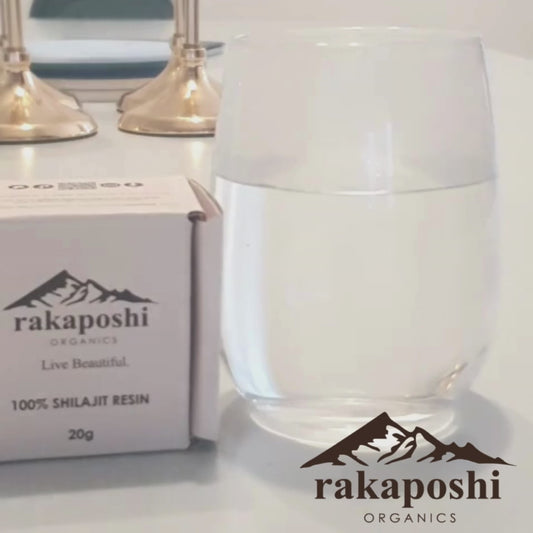
The most common traditional method involves dissolving a small portion (rice-grain to pea-sized, approximately 300-500mg) in warm water or milk. This practice, described in ancient texts, allows the resin to fully dissolve, creating a beverage that is typically consumed in the morning on an empty stomach.
As Part of Traditional Formulations
In both Ayurvedic and Tibetan traditional medicine, shilajit is often combined with other herbs and substances in complex formulations. Traditional practitioners would create specific combinations based on individual constitution, season, and traditional diagnostic approaches.
In Daily Wellness Routines
Traditional practices emphasize consistency and integration into daily life rather than sporadic use. Shilajit was traditionally taken as part of morning routines, often accompanied by specific dietary guidelines and lifestyle practices according to traditional medicine principles.
Modern Preparation Methods
Today, shilajit can be incorporated into modern lifestyles while honoring traditional wisdom.
Dissolved in Beverages
Following traditional methods, dissolve shilajit resin in warm water, herbal teas, golden milk (turmeric milk), or morning coffee or tea.
As a Supplement
For convenience, shilajit is available in capsule or tablet form, offering standardized dosing for those who prefer this method.
In Smoothies or Foods
Some people incorporate dissolved shilajit into smoothies, protein shakes, or warm soups, making it easier to include in daily nutrition.
Recommended Approach
Traditional practices suggest 300-500mg daily, consumed consistently over time. As with any dietary supplement, consult a healthcare professional before use, especially if you have pre-existing health conditions, are pregnant or nursing, or take medications.
Addressing Myths and Misconceptions About Shilajit
As shilajit has gained modern popularity, several misconceptions have emerged. Let's address these with factual information.
Myth 1: Shilajit is Just a Modern Trend
Reality: Shilajit's usage traces back thousands of years in multiple traditional medicine systems including Ayurveda, Traditional Tibetan Medicine, and Traditional Chinese Medicine. Its mention in ancient texts and continuous use across millennia demonstrates its enduring cultural significance, not a passing trend.
Myth 2: All Shilajit is the Same
Reality: The quality of shilajit varies significantly based on source location (altitude, geographic region, environmental purity), processing methods (traditional sun-drying vs. industrial processing), purity and lab testing (presence or absence of contaminants), and authenticity (genuine vs. synthetic or adulterated products).
It's crucial to select high-quality, lab-tested shilajit from reputable sources to ensure authenticity and safety.
Myth 3: Shilajit is Only for Men
Reality: While some modern marketing targets men, traditional medicine systems valued shilajit for both men and women. Ancient Ayurvedic and Tibetan texts describe its use across genders as part of holistic wellness approaches. Shilajit's mineral composition and traditional applications are relevant to overall wellness regardless of gender.
Shilajit's Place in Modern Wellness
With growing interest in natural substances, traditional medicine, and holistic health approaches, shilajit has found renewed relevance in modern wellness movements.
Bridging Ancient Wisdom and Modern Life
Modern wellness enthusiasts are rediscovering shilajit as a way to connect with ancient healing traditions while addressing contemporary health concerns. This represents a broader trend of integrating traditional knowledge with modern lifestyles, seeking alternatives to synthetic supplements, and valuing natural substances with historical use.
The Role of Shilajit in Modern Herbalism
Within contemporary herbalism, shilajit is often combined with other botanicals to create synergistic formulations. Popular traditional pairings that modern herbalists explore include ashwagandha (an adaptogenic herb traditionally used for stress), turmeric (valued for its traditional use in wellness), ginseng (traditionally used to support vitality), and holy basil or tulsi (revered in Ayurvedic tradition).
These combinations honor traditional formulation principles while adapting to modern preferences and lifestyles.
Quality and Sourcing Considerations
When exploring shilajit, quality and ethical sourcing are paramount.
What to Look For
Authentic Source: Shilajit sourced from recognized Himalayan regions like Gilgit-Baltistan or the Karakoram range, known for pristine environments.
Traditional Processing: Products processed using traditional methods like Aftabi sun-drying rather than industrial processing.
Independent Lab Testing: Verification from recognized laboratories (such as PCSIR) confirming purity, absence of heavy metals and contaminants, and safety for consumption.
Transparency: Detailed information about sourcing location, harvesting practices, processing methods, and lab testing results.
Ethical Practices: Fair trade partnerships with local harvesters, sustainable harvesting that protects natural resources, and community support initiatives.
Rakaposhi Gold: Honoring Tradition with Modern Standards
At Rakaposhi Organics, we honor the cultural legacy of shilajit while meeting modern quality and safety standards. Our Rakaposhi Gold Shilajit is sourced from the pristine Karakoram range in Gilgit-Baltistan, processed using traditional Aftabi sun-drying methods practiced for generations, independently lab-tested by PCSIR for purity and safety, and sourced through fair trade partnerships with local harvesters.
We support the communities that preserve this traditional knowledge, with 10% of proceeds funding education initiatives for children in Gilgit-Baltistan. This approach ensures you receive authentic, high-quality shilajit while supporting cultural preservation and community development.
Frequently Asked Questions About Shilajit's Cultural Legacy
What is shilajit?
Shilajit is a natural resin that emerges from rocks in high mountain ranges, primarily the Himalayas, formed over centuries from the decomposition of plant material and minerals. It contains over 80 trace minerals and organic compounds naturally present in its geological formation.
What are the main components of shilajit?
Shilajit's composition includes organic compounds formed during plant decomposition, trace minerals like zinc, iron, magnesium, calcium, and potassium absorbed from the mountain environment, amino acids naturally present from plant sources, and various organic acids. The specific composition varies based on geographic location and altitude.
How has shilajit been used traditionally?
In Ayurvedic tradition, shilajit has been valued as a Rasayana substance for thousands of years, mentioned in ancient texts and used in traditional formulations. In Traditional Tibetan Medicine, it has been part of holistic wellness approaches. In Himalayan communities, it has been incorporated into daily wellness routines following traditional preparation methods.
How can shilajit be consumed today?
Following traditional methods, dissolve a small portion (300-500mg) in warm water or milk and consume in the morning. Modern options include capsule or tablet supplements for convenience, or incorporation into smoothies, teas, or foods. Consistency over time is emphasized in traditional approaches.
Is shilajit beneficial for everyone?
Traditional medicine systems valued shilajit for both men and women as part of holistic wellness approaches. However, individual needs vary, and it's important to consult a healthcare professional before use, especially if you have medical conditions, are pregnant or nursing, or take medications.
How do I know if shilajit is authentic?
Look for products with independent lab testing from recognized institutions, transparent sourcing from Himalayan regions like Gilgit-Baltistan, traditional processing methods like Aftabi sun-drying, and detailed information about harvesting and purification. Physical characteristics like aroma, texture, and dissolution in water also indicate authenticity.
What's the difference between traditional and modern use?
Traditional use involved specific preparation methods, integration into comprehensive wellness systems (Ayurveda, Tibetan Medicine), and cultural practices passed down through generations. Modern use adapts these traditions to contemporary lifestyles while honoring traditional wisdom, often with added quality controls like lab testing.
An Invitation to Explore Shilajit's Cultural Heritage
As you journey into holistic health and traditional wellness practices, shilajit stands out as a remarkable substance with a rich cultural legacy spanning thousands of years and multiple civilizations. By embracing the wisdom of ancient Ayurvedic and Tibetan traditions while applying modern quality standards, you can connect with this profound cultural heritage.
Shilajit represents more than a natural substance—it embodies the relationship between humans and the Himalayan environment, the accumulated wisdom of traditional healers across millennia, and the cultural practices of mountain communities who have valued this gift of nature for generations.
Explore the potential of shilajit as part of your wellness journey, honoring both its ancient roots and its place in modern holistic health. Whether you seek to connect with traditional medicine wisdom, incorporate time-tested natural substances into your routine, or support the preservation of cultural heritage, shilajit offers a bridge between ancient tradition and contemporary wellness.
Discover authentic Rakaposhi Gold Shilajit—sourced from the Karakoram range, processed using traditional Aftabi methods, independently lab-tested for purity and safety, and supporting fair trade practices and education initiatives in Gilgit-Baltistan. Experience the cultural legacy and natural essence that have been treasured for thousands of years.