
The Traditional Aftabi Sun-Drying Method: Preserving Himalayan Shilajit Quality
Share
What is Himalayan Shilajit?
Himalayan shilajit is a sticky, tar-like resin that emerges from mountain rocks in high-altitude regions, particularly in Gilgit-Baltistan and the Karakoram range. This natural substance is formed over centuries from the decomposition of plant materials and absorption of minerals from the geological environment. Shilajit contains over 80 minerals and organic compounds naturally present in its formation, making it a unique substance that has been valued in traditional Himalayan and Ayurvedic practices for millennia.
Why Sundried Shilajit? The Aftabi Method Explained
Sundried Himalayan shilajit undergoes a traditional processing method known as Aftabi, which means "sun-exposed" or "sun-dried" in the local language. This careful, time-honored technique has been practiced by Himalayan communities for generations and represents an important aspect of cultural heritage.
The Traditional Aftabi Process
The Aftabi method involves several key steps that preserve the natural properties of shilajit:
Collection: Local harvesters collect raw shilajit resin from high-altitude rock formations during optimal seasons when the resin naturally emerges.
Natural Filtration: The raw resin undergoes traditional filtration using natural materials to remove rock particles and debris while preserving the mineral and organic compound profile.
Sun-Drying: The filtered resin is exposed to natural sunlight under controlled conditions, allowing gentle dehydration without high heat that could alter the natural composition.
Purification Stages: Multiple rounds of sun-drying and traditional purification ensure the final product is pure while maintaining its naturally occurring compounds.
This method ensures you receive high-quality shilajit without the risks associated with excessive chemical processing or high-heat industrial methods that may alter the natural composition.
Traditional Methods vs. Modern Processing
The choice of processing method significantly impacts the final quality of shilajit.
Benefits of Traditional Sun-Drying
Traditional Aftabi sun-drying preserves the naturally occurring mineral and organic compound profile, maintains the authentic character and properties valued in traditional practices, avoids high heat that can degrade certain natural compounds, honors centuries-old cultural knowledge and practices, and requires minimal chemical intervention.
Risks of Industrial Processing
Some commercial shilajit products undergo industrial processing that may involve high heat that can alter or degrade natural compounds, chemical solvents that may leave residues, synthetic additives or fillers to increase volume, and processes that strip away beneficial components.
By choosing sundried shilajit processed using traditional Aftabi methods, you're opting for a more authentic, minimally processed product that maintains its traditional character.
Understanding Quality and Purity
When selecting sundried Himalayan shilajit, quality indicators are essential for ensuring authenticity and safety.
What to Look For
Source Location: Authentic shilajit should be sourced from recognized high-altitude Himalayan regions like Gilgit-Baltistan or the Karakoram range, known for pristine, unpolluted environments.
Processing Method: Look for products specifically stating "Aftabi sun-dried" or "traditional sun-dried" rather than industrially processed versions.
Independent Lab Testing: Reputable suppliers provide laboratory testing results from recognized institutions (such as PCSIR) verifying purity and authenticity, absence of heavy metals and contaminants, safety for human consumption, and consistency with quality standards.
Physical Characteristics: Authentic sundried shilajit should have a pungent, earthy aroma, dark color (deep brown to black), sticky, resinous texture that softens with warmth, and complete dissolution in warm water creating a golden-hued liquid.
Transparency: Quality suppliers provide detailed information about sourcing location and harvesting practices, specific processing methods used, lab testing results and certificates, and ethical sourcing commitments.
The Rakaposhi Gold Aftabi Standard
At Rakaposhi Organics, our Rakaposhi Gold Shilajit is processed exclusively using the traditional Aftabi sun-drying method practiced for generations in Gilgit-Baltistan. We work directly with local artisans who have inherited this knowledge from their ancestors, ensuring the authentic traditional process is maintained.
Every batch undergoes rigorous independent laboratory testing by PCSIR to verify purity, safety, and authenticity. We provide complete transparency through available lab certificates, detailed sourcing information, and commitment to fair trade practices that support the communities preserving this traditional knowledge.
Traditional Uses in Himalayan and Ayurvedic Practices
In traditional Himalayan and Ayurvedic cultural practices, sundried shilajit has been valued as part of daily wellness routines for thousands of years. Ancient texts describe specific preparation methods and traditional uses that have been passed down through generations of practitioners and families.
Traditional knowledge emphasizes the importance of proper processing—the Aftabi method was developed over centuries to preserve the substance's valued properties while ensuring purity and safety. This cultural heritage represents an important aspect of traditional medicine systems and local wisdom.
How to Incorporate Sundried Himalayan Shilajit Into Your Routine
Following traditional practices, sundried shilajit can be incorporated into daily wellness routines in several ways.
Traditional Preparation (Most Common)
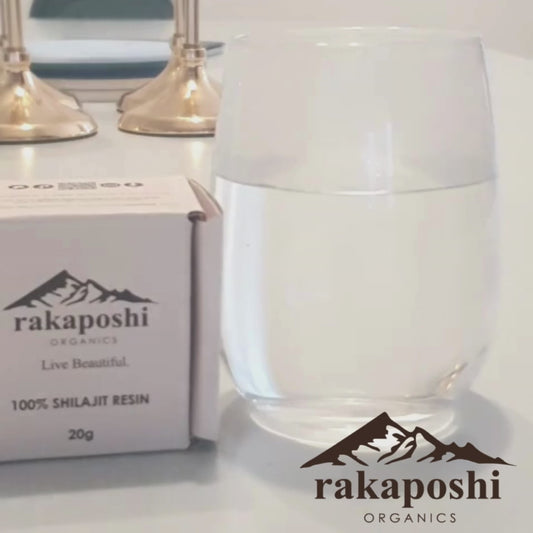
Dissolve a rice-grain to pea-sized portion (approximately 300-500mg) in warm (not boiling) water. The resin will fully dissolve, creating a golden-hued beverage. This is typically consumed in the morning on an empty stomach, following traditional Himalayan and Ayurvedic practices.
Mixed into Beverages
For those who prefer flavored options, first dissolve the resin in a small amount of warm water, then add to morning tea or coffee, herbal teas (chamomile, ginger, tulsi), smoothies or protein shakes, or golden milk (turmeric milk with spices).
Combined with Foods
Some traditional practices include combining shilajit with honey as a traditional pairing, mixing with ghee (clarified butter) in Ayurvedic preparations, or adding to warm soups or broths toward the end of cooking.
Recommended Dosages
Traditional practices typically suggest 300-500mg daily (approximately a rice-grain to pea-sized portion). Start with a smaller amount to assess personal tolerance, then gradually adjust as needed. Consistency is emphasized—daily use over weeks to months rather than sporadic consumption.
As with any dietary supplement, consult a healthcare professional before use, especially if you have pre-existing health conditions, are pregnant or nursing, or take medications.
Proper Storage for Sundried Shilajit
To maintain the quality of your sundried shilajit resin, proper storage is important. Store in a cool, dry place away from direct sunlight and heat sources, keep in a tightly sealed container to prevent moisture exposure (shilajit is hygroscopic and absorbs moisture), store away from strong odors as the resin can absorb surrounding scents, and avoid refrigeration which can cause condensation.
When properly stored, sundried shilajit resin can maintain its quality for extended periods, often years.
Identifying Authentic Sundried Shilajit
With the popularity of shilajit, counterfeit and low-quality products have entered the market. Here's how to identify authentic sundried shilajit:
Authenticity Tests
Dissolution Test: Authentic shilajit should dissolve completely in warm water within 5-10 minutes, creating a golden to reddish-brown liquid with no sediment.
Texture Test: The resin should be sticky and pliable when warm, harder when cool, and should not be completely solid like a rock or completely liquid.
Aroma Test: Genuine shilajit has a distinctive earthy, slightly bitter aroma—not pleasant, but not offensive. Lack of aroma may indicate fake product.
Purity Test: When dissolved in water, authentic shilajit creates a clear solution without floating particles or sediment.
Red Flags to Avoid
Be cautious of products claiming unnaturally high percentages of specific compounds (like "80% fulvic acid"), lacking independent lab testing or certificates, priced significantly lower than market average for authentic shilajit, with vague sourcing information or unknown origins, or containing additives, fillers, or synthetic ingredients.
Sourcing High-Quality Sundried Himalayan Shilajit
When purchasing sundried Himalayan shilajit, prioritize quality over price. Ensure you source from trusted suppliers who practice sustainable harvesting that doesn't deplete natural resources, use traditional Aftabi sun-drying methods, provide independent lab testing from recognized institutions, offer transparent sourcing information, and support fair trade and community initiatives.
At Rakaposhi Organics, we are committed to all these principles. We work directly with local harvesters in Gilgit-Baltistan on a fair trade basis, with 10% of proceeds supporting education initiatives for children in the region. This ensures both product quality and positive community impact.
Potential Considerations and Safety
While sundried Himalayan shilajit is generally recognized as safe when properly sourced and tested, certain considerations are important.
Individual Sensitivities
Some individuals may experience digestive sensitivity when first using shilajit, or allergic reactions to specific plant compounds in its composition. Start with a very small amount to assess tolerance, and discontinue use if you experience adverse reactions.
Medical Conditions and Medications
Consult your healthcare provider before using shilajit if you have kidney conditions or elevated uric acid levels (gout), take medications that might interact with mineral supplements, have iron overload conditions (hemochromatosis), or are pregnant or nursing.
This consultation ensures there are no contraindications or interactions with your specific health situation.
Ethical Sourcing and Community Support
Choosing ethically sourced sundried shilajit supports both environmental sustainability and the communities that have maintained traditional knowledge for generations.
Responsible sourcing includes sustainable harvesting practices that protect natural shilajit sources, fair compensation for local harvesters and artisans, preservation of traditional Aftabi processing knowledge, and community support through education and development initiatives.
By choosing Rakaposhi Gold, you support these ethical practices while receiving authentic, high-quality sundried shilajit processed using traditional methods.
Frequently Asked Questions About Sundried Himalayan Shilajit
What is sundried Himalayan Shilajit?
Sundried Himalayan shilajit is natural shilajit resin processed using the traditional Aftabi sun-drying method practiced for generations in Gilgit-Baltistan. This gentle, traditional process preserves the naturally occurring minerals and organic compounds while ensuring purity.
Why should I choose sundried shilajit over other forms?
Sundried (Aftabi) shilajit is processed using traditional methods that preserve natural properties, avoid high heat that can degrade compounds, require minimal chemical intervention, and honor centuries of cultural knowledge. It represents the most authentic, traditional form of processed shilajit.
How is the Aftabi method different from industrial processing?
The Aftabi method uses natural sunlight for gentle dehydration, traditional filtration techniques, multiple purification stages without harsh chemicals, and time-honored practices passed down through generations. Industrial processing may use high heat, chemical solvents, and methods that can alter the natural composition.
How can I tell if my shilajit is truly sundried?
Look for products specifically stating "Aftabi sun-dried" or "traditional sun-dried," sourced from recognized regions like Gilgit-Baltistan, with independent lab testing certificates, and from suppliers providing transparent processing information. The physical characteristics (aroma, texture, dissolution) also indicate authenticity.
What dosage is recommended?
Traditional practices suggest 300-500mg daily (rice-grain to pea-sized portion). Start with a smaller amount to assess tolerance, then adjust as needed. Consistency over time is more important than large doses.
Are there any side effects?
When properly sourced and tested, sundried shilajit is generally recognized as safe. Some individuals may experience initial digestive sensitivity. Consult a healthcare provider before use, especially if you have medical conditions, are pregnant or nursing, or take medications.
How should I store sundried shilajit?
Store in a cool, dry place away from direct sunlight and heat, in a tightly sealed container to prevent moisture exposure, and away from strong odors. Avoid refrigeration. Properly stored, it can maintain quality for years.
Can I take sundried shilajit with other supplements?
While shilajit can often be combined with other supplements, consult with a healthcare provider about compatibility, especially if you take medications or have specific health conditions.
Experience Traditional Quality with Rakaposhi Gold
Sundried Himalayan shilajit processed using the traditional Aftabi method represents a connection to centuries of Himalayan cultural heritage and traditional knowledge. By choosing authentic, lab-tested, ethically sourced sundried shilajit, you receive a product that honors traditional practices while meeting modern safety and quality standards.
The Aftabi sun-drying method isn't just a processing technique—it's a cultural tradition that has been refined over generations to preserve the natural properties of this remarkable Himalayan substance. When you choose Rakaposhi Gold, you're choosing quality, authenticity, tradition, and community support.
Discover authentic Rakaposhi Gold Sundried Himalayan Shilajit—processed using traditional Aftabi methods, sourced from the pristine Karakoram range, independently lab-tested by PCSIR, and supporting fair trade practices and education initiatives in Gilgit-Baltistan. Experience the difference that traditional quality makes.