
Traditional Uses of Shilajit in Himalayan Culture and Daily Life
Share
What is Shilajit?
Shilajit is a sticky, tar-like resin that forms from the decomposition of ancient plant materials over centuries. Found primarily in the Himalayas and other high-altitude mountainous regions, this natural substance emerges from rock crevices during warmer months. The unique geological conditions of these pristine environments create a resin containing a complex mixture of minerals, organic compounds, and fulvic acids that have made it a valued part of traditional Himalayan culture for generations.
The Geological Formation of Shilajit
The formation of shilajit is a slow geological process spanning hundreds of years. As plant matter decomposes in the mineral-rich soil of high-altitude regions, it combines with rock minerals under specific temperature and pressure conditions. This process creates the characteristic dark, resinous substance known as shilajit. The Himalayan region, particularly areas like Gilgit-Baltistan, provides ideal conditions for this natural formation due to its unique geology and pristine environment.
Shilajit in Traditional Himalayan Culture
For centuries, shilajit has held cultural significance in Himalayan communities. Traditional knowledge about harvesting, preparing, and using this resin has been passed down through generations of local artisans and families. In these communities, shilajit is valued as part of traditional practices and daily routines, often prepared in warm water or milk and consumed as part of morning rituals. This cultural heritage represents an important aspect of Himalayan tradition and local wisdom.
The Composition of Shilajit Resin
Shilajit contains a complex mixture of naturally occurring compounds formed during its geological creation. The composition includes fulvic acid (a naturally occurring organic compound formed during plant decomposition), trace minerals (over 80 minerals naturally present in the mountain environment including iron, calcium, magnesium, and zinc), humic substances (organic compounds resulting from plant matter breakdown), and amino acids (naturally present organic compounds). The specific composition varies based on geographic location, altitude, and the particular plant species that contributed to its formation.
Understanding Purity and Quality Standards
When selecting shilajit, quality and purity are essential considerations. Authentic shilajit should meet several important criteria.
What to Look For
Source: Authentic shilajit should be sourced from recognized high-altitude regions such as the Himalayas, particularly areas like Gilgit-Baltistan known for pristine environments and traditional harvesting practices.
Lab Testing: Reputable suppliers provide independent laboratory testing results verifying purity, absence of heavy metals and contaminants, and safety for human consumption. Look for testing by recognized laboratories such as PCSIR.
Processing Method: Traditional processing methods like Aftabi sun-drying preserve the authentic character of the resin. Avoid products with excessive chemical processing or unknown purification methods.
Form: Shilajit is available in different forms. Resin form is considered the most traditional and authentic, while powder and capsule forms offer convenience. Each has different characteristics in terms of preparation and use.
Transparency: Quality suppliers provide detailed information about sourcing location, harvesting practices, processing methods, and lab testing results.
Incorporating Shilajit into Daily Life
Integrating shilajit into your routine follows traditional preparation methods used in Himalayan communities for generations.
Traditional Preparation Methods
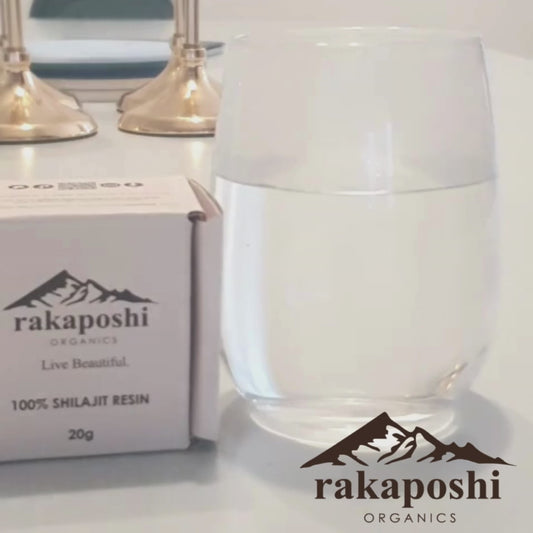
Dissolved in warm water: The most common traditional method involves dissolving a rice-grain-sized portion (approximately 300-500mg) in warm water, creating a golden-hued beverage typically consumed in the morning.
Mixed with warm milk: In some Himalayan regions, shilajit is traditionally dissolved in warm milk, often with honey added for taste.
Added to herbal tea: Shilajit can be dissolved in herbal teas, allowing it to blend with other traditional herbs and botanicals.
Modern Convenience Options
Capsules: For those preferring convenience, encapsulated shilajit offers standardized dosing and easy incorporation into daily routines.
Smoothies: A small amount of shilajit resin can be dissolved and added to smoothies for those who prefer this preparation method.
The Importance of Sustainable and Ethical Sourcing
Responsible shilajit sourcing protects both the environment and the communities that have stewarded this traditional knowledge for generations. Ethical sourcing practices include sustainable harvesting that doesn't deplete natural resources, fair trade partnerships with local harvesters ensuring fair compensation, support for community initiatives such as education programs, and preservation of traditional knowledge and cultural practices.
At Rakaposhi Organics, we work directly with local harvesters in Gilgit-Baltistan on a fair trade basis, with 10% of proceeds supporting education initiatives for children in the region. This approach honors the cultural heritage while supporting the communities that make this tradition possible.
Stories from Himalayan Communities
The tradition of shilajit is deeply woven into the fabric of Himalayan life. Local harvesters in Gilgit-Baltistan have passed down knowledge of collection sites, optimal harvesting times, and traditional preparation methods through generations. These artisans understand the mountain environment intimately, knowing which elevations and locations produce the highest quality resin. Their expertise represents centuries of accumulated cultural knowledge that modern science is only beginning to understand and document.
Proper Storage and Handling
To maintain the quality of shilajit resin, proper storage is important. Keep shilajit in a cool, dry place away from direct sunlight and heat sources. Ensure the container is tightly sealed to prevent moisture exposure, as shilajit is hygroscopic and can absorb moisture from the air. Store away from strong odors, as the resin can absorb surrounding scents. When properly stored, shilajit resin can maintain its quality for extended periods.
Considerations and Consultation
As with any dietary supplement, individual responses may vary. It's important to start with small amounts to assess personal tolerance, consult a healthcare professional before use, especially if you have pre-existing medical conditions, are pregnant or nursing, or are taking medications. Ensure you purchase from reputable suppliers with transparent sourcing and lab testing, and follow traditional dosage guidelines (typically 300-500mg daily).
Frequently Asked Questions About Shilajit
What is shilajit?
Shilajit is a natural resin formed over centuries from plant decomposition in high-altitude mountain regions, particularly the Himalayas. It contains minerals, fulvic acid, and other organic compounds naturally present in the geological formation.
How is shilajit traditionally used?
In Himalayan communities, a small amount (rice-grain size, approximately 300-500mg) is traditionally dissolved in warm water or milk and consumed, often as part of morning routines. This practice has been part of traditional culture for generations.
Is shilajit safe to consume?
When sourced from reputable suppliers with independent lab testing confirming purity and absence of contaminants, shilajit is generally recognized as safe for human consumption. However, consult a healthcare professional before use, especially if you have medical conditions or take medications.
How do I know if shilajit is authentic?
Look for products with independent lab testing results, transparent sourcing information from recognized regions like Gilgit-Baltistan, traditional processing methods like Aftabi sun-drying, and detailed information about harvesting and purification practices.
What form of shilajit is best?
Resin form is considered the most traditional and authentic, as it undergoes minimal processing. However, powder and capsule forms offer convenience. The best choice depends on your personal preferences and lifestyle.
How should I store shilajit?
Store in a cool, dry place away from direct sunlight in a tightly sealed container. Proper storage helps maintain quality over time.
Can anyone use shilajit?
While shilajit has been used traditionally by many people, those with certain medical conditions, pregnant or nursing individuals, and those taking medications should consult a healthcare provider before use.
Preserving Cultural Heritage and Traditional Knowledge
Shilajit represents more than a natural substance—it embodies centuries of Himalayan cultural heritage, traditional knowledge, and the deep connection between mountain communities and their environment. By choosing ethically sourced, lab-tested shilajit from suppliers committed to fair trade and community support, you help preserve these ancient traditions while supporting the artisans and families who maintain this cultural legacy. Explore the authentic tradition of Himalayan shilajit and discover the rich cultural heritage behind this remarkable natural resin.