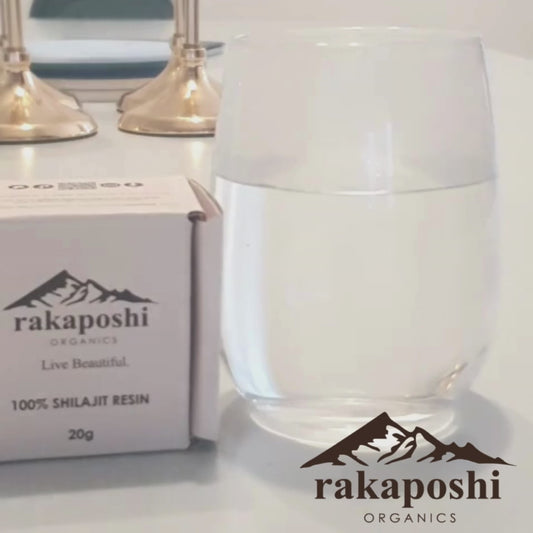

Stronger Immunity, Better Health: How to Naturally Boost Your Body’s Defenses
Share
Understanding Your Immune System
Your immune system is constantly working to protect your body from infections, toxins, and stress. But modern-day factors like poor sleep, processed foods, chronic stress, and environmental exposures can affect immune function over time, potentially leaving you more vulnerable to illness and fatigue.
Instead of relying on short-term fixes when you're already sick, the key to lasting health lies in supporting your immune system through consistent, evidence-based lifestyle practices. This guide will explore how strategic nutrition, sleep optimization, stress management, and traditional wellness approaches can help build a resilient body that thrives year-round.
How Your Immune System Works
The immune system is a complex network of organs, cells, and proteins that work together to defend the body against pathogens. Understanding its basic structure helps you appreciate why certain lifestyle factors matter so much.
Two Branches of Immunity
Innate Immunity: Your body's first line of defense, which includes physical barriers (skin, mucous membranes) and immune cells that respond quickly to threats. This system is non-specific—it attacks anything recognized as foreign.
Adaptive Immunity: The immune response that develops over time through exposure to pathogens. This system "remembers" previous infections, allowing your body to recognize and fight off specific threats more effectively in the future. This is the principle behind vaccination.
When functioning optimally, your immune system can protect you from bacteria, viruses, and help regulate inflammation. However, lifestyle factors can either support or compromise immune function.
Signs Your Immune System May Need Support
Many people don't realize their immune function may be compromised until they experience frequent illness or persistent fatigue. Here are common signs that your immune system may benefit from additional support:
- Frequent colds, flu, or infections (more than 2-3 per year)
- Slow wound healing or recovery from illness
- Chronic fatigue and low energy despite adequate sleep
- Digestive issues, including bloating and food sensitivities
- Difficulty concentrating or persistent brain fog
- Increased inflammation or joint discomfort
- Frequent skin issues or slow healing of minor cuts
If several of these sound familiar, it's time to take proactive steps to support your immunity through lifestyle modifications.
Evidence-Based Strategies to Support Immune Function
1. Nourish Your Body with Immune-Supporting Foods
Your diet plays a major role in immune function. Research consistently shows that nutrient-rich foods help manage inflammation, support white blood cell production, and provide the building blocks for immune proteins.
Top Immune-Supporting Nutrients
Vitamin C: Found in citrus fruits, bell peppers, strawberries, and leafy greens. Research shows vitamin C supports various immune cell functions and is concentrated in immune cells. While it won't prevent colds, adequate intake is associated with reduced duration and severity of respiratory infections.
Zinc: Essential for immune cell development and function. Found in oysters, beef, pumpkin seeds, and legumes. Zinc deficiency is associated with impaired immune response. Research shows zinc supplementation (within recommended limits) may reduce the duration of common colds.
Vitamin D: Critical for immune regulation. Your body produces it from sunlight exposure, and it's found in fatty fish, egg yolks, and fortified foods. Low vitamin D levels are associated with increased susceptibility to infections. Many people, especially in northern climates, have insufficient levels.
Probiotics: Support gut health, which is directly linked to immunity (more on this below). Found in fermented foods like yogurt, kefir, sauerkraut, kimchi, and kombucha.
Antioxidants: Help manage oxidative stress and support immune cell function. Found in berries, green tea, dark chocolate, colorful vegetables, and spices like turmeric.
Protein: Essential for producing antibodies and immune cells. Aim for 0.8-1g per pound of body weight from sources like fish, poultry, eggs, legumes, and nuts.
Building an Immune-Supporting Plate
Each meal should include:
- A palm-sized portion of protein
- 2-3 servings of colorful vegetables
- Healthy fats (olive oil, avocado, nuts)
- Whole-food carbohydrates (sweet potato, quinoa, oats)
- Herbs and spices (garlic, ginger, turmeric)
2. Reduce Stress and Optimize Sleep
Chronic stress and inadequate sleep are two of the most significant factors that can compromise immune function. The research on this is extensive and clear.
How Stress Affects Immunity
Chronic stress elevates cortisol levels, which research shows can:
- Suppress the production and function of immune cells
- Reduce antibody production
- Increase inflammation markers
- Slow wound healing
- Increase susceptibility to infections
A landmark study found that people under chronic stress were more likely to develop colds when exposed to viruses compared to those with lower stress levels.
Evidence-Based Stress Management
Meditation & Mindfulness: Research shows that regular meditation practice is associated with improved immune markers and reduced inflammation. Even 10-15 minutes daily can produce measurable benefits.
Deep Breathing: Activates the parasympathetic nervous system (rest-and-digest), which helps regulate immune function. Try box breathing: inhale 4 counts, hold 4, exhale 4, hold 4.
Time in Nature: Studies show that spending time in natural environments reduces cortisol levels and is associated with improved immune markers. Forest bathing (shinrin-yoku) has been studied extensively in Japan.
Social Connection: Strong social relationships are associated with better immune function and longevity. Loneliness and social isolation are linked to increased inflammation and reduced immune response.
Sleep: The Foundation of Immune Health
Sleep is when your immune system does much of its maintenance and repair work. Research shows that:
- People who sleep less than 6 hours per night are 4x more likely to catch a cold when exposed to the virus
- Sleep deprivation reduces the production of protective cytokines (immune signaling proteins)
- Chronic sleep restriction is associated with increased inflammation markers
- Even a single night of poor sleep can reduce natural killer cell activity (cells that fight viruses and cancer)
Sleep Optimization Strategies:
✅ Consistency: Go to bed and wake at the same time daily, even on weekends. This regulates your circadian rhythm, which influences immune function.
✅ Duration: Aim for 7-9 hours per night. Individual needs vary, but most adults need at least 7 hours for optimal immune function.
✅ Environment: Keep your bedroom cool (65-68°F), completely dark, and quiet. Use blackout curtains or a sleep mask.
✅ Evening Routine: Avoid screens 1-2 hours before bed (blue light suppresses melatonin). Create a relaxing pre-sleep ritual.
✅ Avoid: Caffeine after 2 PM, alcohol close to bedtime (disrupts sleep architecture), and large meals within 3 hours of sleep.
3. Strengthen Your Gut for a Stronger Immune System
This isn't just wellness marketing—it's well-established science. Approximately 70% of your immune system resides in gut-associated lymphoid tissue (GALT). The gut microbiome plays a crucial role in immune development, regulation, and defense.
The Gut-Immune Connection
Your gut microbiome (the trillions of bacteria living in your digestive tract) influences immunity through several mechanisms:
Barrier Function: Beneficial bacteria help maintain the integrity of the gut lining, preventing pathogens and toxins from entering the bloodstream.
Immune Training: Gut bacteria help "educate" immune cells, teaching them to distinguish between harmless substances and real threats. This is critical for preventing autoimmune reactions and allergies.
Antibody Production: Certain gut bacteria stimulate the production of immunoglobulin A (IgA), an antibody that protects mucosal surfaces.
Anti-Inflammatory Compounds: Beneficial bacteria produce short-chain fatty acids (SCFAs) like butyrate, which have anti-inflammatory properties and support immune regulation.
Evidence-Based Gut Health Strategies
Eat Fiber-Rich Foods: Aim for 25-35g of fiber daily from vegetables, fruits, whole grains, legumes, and nuts. Fiber feeds beneficial gut bacteria.
Include Fermented Foods: Yogurt, kefir, sauerkraut, kimchi, kombucha, and miso contain live beneficial bacteria. Research shows regular consumption is associated with improved gut diversity and immune markers.
Avoid Gut Disruptors: Processed foods, refined sugars, artificial sweeteners, and excessive alcohol can negatively affect gut microbiome diversity.
Consider Probiotics: While whole-food sources are preferred, probiotic supplements may be beneficial, especially after antibiotic use. Look for multi-strain formulas with at least 10 billion CFUs.
Prebiotics: Foods that feed beneficial bacteria, including garlic, onions, leeks, asparagus, bananas, and oats.
Polyphenols: Plant compounds that support beneficial bacteria. Found in berries, green tea, dark chocolate, and extra virgin olive oil.
Traditional Approaches to Immune Support
Various traditional medicine systems have used specific herbs and substances for immune support for centuries. While modern research is still catching up, some of these traditional approaches have preliminary scientific support.
Adaptogens and Immune Function
Adaptogens are a category of herbs traditionally used to help the body adapt to stress. Since chronic stress compromises immunity, stress-modulating herbs have been valued in traditional immune support protocols.
Common Adaptogens in Traditional Medicine:
Shilajit: Used in Ayurvedic medicine for thousands of years as part of vitality and resilience protocols. Contains fulvic acid and over 80 trace minerals formed through geological processes.
Astragalus: Traditional Chinese medicine herb used for immune support. Some research has examined its effects on immune cell activity.
Reishi Mushroom: Used in Traditional Chinese Medicine for immune modulation. Contains beta-glucans that have been studied for immune effects.
Elderberry: Traditional European remedy for respiratory infections. Some research shows it may reduce duration and severity of colds and flu.
Echinacea: Native American traditional medicine for infections. Research is mixed, but some studies show it may reduce cold duration if taken early.
Shilajit in Traditional Immune Support
In Ayurvedic tradition, shilajit has been used as part of comprehensive wellness approaches that included diet, lifestyle practices, and stress management. Traditional texts describe it in relation to vitality, resilience, and overall health maintenance.
What Research Has Examined
Fulvic Acid Content: Shilajit contains fulvic acid, a compound that has been studied for its antioxidant properties. Antioxidants help manage oxidative stress, which can affect immune cell function. However, research specifically on shilajit's fulvic acid and immunity is limited.
Mineral Content: Shilajit contains over 80 trace minerals in naturally occurring forms. Adequate mineral status is important for immune function, though whether shilajit provides clinically significant amounts hasn't been thoroughly studied.
Preliminary Research: A few small studies have examined shilajit in relation to inflammation markers and cellular energy production, with mixed results. This research is preliminary and doesn't establish definitive immune benefits.
Traditional Context: In Ayurvedic practice, shilajit was never used in isolation. It was part of holistic protocols that emphasized proper nutrition, sleep, stress management, and seasonal routines. This context is important—traditional practitioners didn't view it as a standalone immune booster.
Important Limitations
Research on shilajit and immune function specifically is very limited. Most studies are small, short-term, or conducted in vitro (test tubes) or in animals. Human clinical trials examining shilajit's effects on immune markers, infection rates, or immune cell function are lacking.
Claims that shilajit "boosts immunity," "protects immune cells," or "enhances immune function" go beyond what current evidence supports. It may play a supportive role as part of comprehensive wellness approaches, but it's not a proven immune enhancer.
Practical Daily Immune Support Routine
Building immune resilience requires consistent daily practices, not quick fixes when you're already sick.
Morning Routine
✅ Hydrate: Start with 16-24 oz of water (add lemon for vitamin C and flavor)
✅ Nutrient-Dense Breakfast: Include protein, healthy fats, and colorful vegetables. Example: veggie omelet with avocado and berries.
✅ Sunlight Exposure: Get 10-15 minutes of morning sunlight to support vitamin D production and regulate circadian rhythm.
✅ Movement: Even 10-15 minutes of walking or stretching supports circulation and immune cell distribution.
✅ Optional Traditional Support: 300-500mg shilajit resin dissolved in warm water (following traditional use patterns)
Throughout the Day
✅ Stay Hydrated: Aim for half your body weight in ounces of water
✅ Eat Regularly: Don't skip meals—consistent nutrition supports stable blood sugar and immune function
✅ Manage Stress: Take short breaks for deep breathing or brief walks
✅ Move Your Body: Regular movement enhances circulation, helping immune cells travel efficiently throughout the body
Evening Routine
✅ Balanced Dinner: Include protein, vegetables, and anti-inflammatory foods like fatty fish or turmeric
✅ Herbal Tea: Ginger, turmeric, or chamomile tea (avoid caffeine)
✅ Screen-Free Time: 1-2 hours before bed to support melatonin production
✅ Consistent Bedtime: Same time each night to regulate circadian rhythm
✅ Cool, Dark Environment: Optimize sleep quality for immune repair
Weekly Practices
✅ Meal Prep: Prepare immune-supporting meals in advance
✅ Nature Time: Spend at least 2-3 hours outdoors weekly
✅ Social Connection: Maintain relationships that reduce stress and support well-being
✅ Stress Assessment: Check in with your stress levels and adjust practices as needed
Advanced Immune Support Strategies
Cold Exposure
Research shows that regular cold exposure (cold showers, ice baths) may support immune function by:
- Increasing white blood cell counts
- Activating brown fat, which has anti-inflammatory properties
- Improving stress resilience through hormetic stress
Start with 30 seconds of cold water at the end of your shower and gradually increase duration.
Exercise: The Right Dose
Exercise has a complex relationship with immunity:
Moderate Exercise (30-60 min, most days): Associated with improved immune function, reduced inflammation, and lower infection rates.
Intense Exercise (>90 min high-intensity): Can temporarily suppress immune function for several hours post-workout. This is why athletes are more susceptible to infections during heavy training periods.
The Sweet Spot: Regular moderate-intensity exercise (brisk walking, cycling, swimming) provides immune benefits without the suppression seen with extreme training.
Sauna Use
Regular sauna use (2-3x per week) has been associated with:
- Reduced respiratory infections
- Improved cardiovascular health
- Enhanced stress resilience
- Activation of heat shock proteins that support cellular health
Traditional Finnish sauna protocols (15-20 minutes at 175-195°F) have the most research support.
When to Seek Additional Support
While lifestyle strategies form the foundation of immune health, certain situations warrant professional guidance:
- Frequent infections (more than 4-6 per year)
- Infections that are severe or don't resolve normally
- Chronic fatigue despite adequate sleep and nutrition
- Autoimmune conditions or family history of autoimmune disease
- Persistent inflammation or unexplained symptoms
- Before starting new supplements, especially if you have medical conditions or take medications
A healthcare provider can assess for underlying issues like nutrient deficiencies, hormonal imbalances, or immune dysfunction that may require specific interventions.
Building Long-Term Immune Resilience
A strong immune system is the foundation of a healthy, vibrant life. But it's not built through quick fixes, supplements alone, or short-term interventions. It's built through consistent, evidence-based lifestyle practices that support your body's natural defense mechanisms.
The Immune Support Hierarchy:
Foundation (Most Important):
- Quality sleep (7-9 hours nightly)
- Stress management (meditation, nature, social connection)
- Nutrient-dense whole-food diet
- Regular moderate exercise
- Adequate hydration
Supporting Practices:
- Gut health optimization (fiber, fermented foods)
- Sunlight exposure and vitamin D
- Avoiding immune suppressors (excess alcohol, processed foods, chronic stress)
Complementary Approaches:
- Traditional herbs and adaptogens (as part of holistic protocols)
- Advanced strategies (cold exposure, sauna, specific supplements)
Notice that supplements and traditional herbs are at the top of the pyramid—they can complement a strong foundation but cannot replace it.
The Reality of Immune Support
There is no single food, supplement, or practice that will "boost" your immune system to superhuman levels. In fact, an overactive immune system can be just as problematic as an underactive one (this is what happens in autoimmune diseases and severe allergies).
The goal isn't to "boost" immunity—it's to support optimal immune function through:
- Providing the nutrients immune cells need to function
- Managing stress that can suppress immune activity
- Supporting gut health where much of immunity resides
- Getting adequate sleep when immune maintenance occurs
- Avoiding behaviors that compromise immune function
This is less exciting than promises of "supercharged immunity" or "ultimate immune boosters," but it's what the science actually supports.
Frequently Asked Questions
Can you really "boost" your immune system?
The term "boost" is misleading. Your immune system is incredibly complex, and simply making it more active isn't always beneficial—overactive immunity leads to autoimmune diseases and allergies. The goal is to support optimal immune function through adequate nutrition, sleep, stress management, and gut health, not to "boost" it beyond normal levels.
Does shilajit help with immunity?
Shilajit has been used in Ayurvedic tradition as part of vitality and wellness protocols. It contains fulvic acid and minerals that may play supportive roles, but research specifically on shilajit and immune function is very limited. It should be viewed as one potential component of holistic wellness approaches, not a proven immune enhancer. More research is needed.
What's the single best thing I can do for my immune system?
If forced to choose one thing, it would be optimizing sleep. Research consistently shows that inadequate sleep (less than 7 hours) significantly impairs immune function and increases infection susceptibility. However, immunity is multifactorial—sleep, nutrition, stress management, and gut health all matter.
How long does it take to improve immune function?
Some changes happen quickly (better sleep can improve immune markers within days), while others take longer (gut microbiome changes may take weeks to months). Consistent lifestyle practices over 2-3 months typically produce noticeable improvements in how often you get sick and how quickly you recover.
Should I take vitamin C supplements to prevent colds?
For most people with adequate dietary intake, vitamin C supplements don't prevent colds. However, they may slightly reduce cold duration and severity. Vitamin C supplementation may be beneficial for people under extreme physical stress (marathon runners, soldiers in subarctic conditions) or those with inadequate dietary intake.
Can stress really make me sick?
Yes. Extensive research shows that chronic stress suppresses immune function, increases inflammation, and makes you more susceptible to infections. In one famous study, people under high stress were significantly more likely to develop colds when exposed to viruses compared to low-stress individuals.
Is 70% of the immune system really in the gut?
Yes, approximately 70% of immune cells reside in gut-associated lymphoid tissue (GALT). The gut microbiome plays crucial roles in immune development, regulation, and defense. This is why gut health is so important for overall immune function—it's not just marketing, it's established immunology.
Your Immune Support Action Plan
Instead of waiting until you feel rundown or get sick, take proactive steps today to build resilience and long-term vitality.
This Week:
- Assess your sleep quality and make one improvement
- Add one fermented food to your daily diet
- Practice 10 minutes of meditation or deep breathing daily
- Get 15 minutes of morning sunlight
This Month:
- Establish a consistent sleep schedule (same bedtime/wake time)
- Increase vegetable intake to 5-7 servings daily
- Add regular moderate exercise (30 min, 5x per week)
- Reduce processed food and sugar intake
This Quarter:
- Build a sustainable stress management practice
- Optimize gut health through diet and possibly probiotics
- Consider vitamin D testing and supplementation if needed
- Evaluate and address any persistent health concerns with a provider
Your immune system works hard for you every single day, fighting off countless threats you never even notice. Give it the support it deserves through consistent, evidence-based lifestyle practices.
Discover authentic Rakaposhi Gold Shilajit—sourced from the Karakoram mountains of Gilgit-Baltistan, processed using traditional Aftabi sun-drying methods, independently lab-tested for purity and safety, and supporting fair trade practices. Experience a traditional approach to vitality and wellness.