
Supporting Your Body's Natural Detoxification: Evidence-Based Strategies
Share
Understanding Your Body's Detoxification Systems
In today's industrialized world, we're exposed to various environmental chemicals and pollutants—from air quality issues to pesticide residues on food to chemicals in consumer products. While concerns about "toxin overload" are common in wellness marketing, it's important to understand what your body actually does to process and eliminate unwanted substances.
The good news: Your body has sophisticated, built-in detoxification systems that work continuously. The key is supporting these natural processes through evidence-based lifestyle practices, not relying on unproven "detox" products or protocols.
How Your Body Actually Detoxifies
The Liver: Your Primary Detoxification Organ
The liver is your body's main detoxification center, performing over 500 functions including:
Phase I Detoxification:
- Enzymes (cytochrome P450 system) transform fat-soluble toxins into intermediate compounds
- Makes substances more water-soluble for elimination
Phase II Detoxification:
- Conjugation reactions attach molecules to toxins, making them water-soluble and ready for excretion
- Requires specific nutrients (amino acids, sulfur compounds, etc.)
Phase III Detoxification:
- Transport systems move processed toxins out of cells for elimination
The liver processes:
- Metabolic waste products
- Medications and drugs
- Alcohol
- Environmental chemicals
- Hormones
- Dietary compounds
The Kidneys: Filtering Your Blood
Your kidneys filter approximately 200 quarts of blood daily, removing:
- Metabolic waste (urea, creatinine)
- Excess water and electrolytes
- Toxins that have been processed by the liver
- Medications and their metabolites
Other Detoxification Pathways
Digestive System:
- Eliminates waste through bowel movements
- Gut bacteria help metabolize certain compounds
- Fiber binds to some toxins for elimination
Lungs:
- Expel carbon dioxide and some volatile compounds
- Filter particulates from air
Skin:
- Eliminates some waste through sweat
- Acts as barrier against environmental toxins
Lymphatic System:
- Removes cellular waste and supports immune function
Important: These systems work automatically and continuously. You don't need special "detox" products to make them function—they're already doing their job.
Environmental Exposures in Modern Life
While your body handles detoxification naturally, understanding common exposures helps you make informed choices to reduce unnecessary chemical burden.
Heavy Metals
Common sources:
- Mercury: Large predatory fish (tuna, swordfish), some dental amalgams
- Lead: Old paint, contaminated water (old pipes), some imported products
- Arsenic: Contaminated groundwater, some rice products
- Cadmium: Cigarette smoke, some foods grown in contaminated soil
Health concerns:
- Can accumulate in tissues over time
- Associated with neurological, kidney, and cardiovascular effects
- Particularly concerning for children (developmental effects)
Evidence-based reduction strategies:
- Choose smaller fish lower on food chain (salmon, sardines, anchovies)
- Test water if you have old pipes; use filters if needed
- Don't smoke; avoid secondhand smoke
- Wash produce thoroughly
- Limit rice consumption in young children; rinse rice before cooking
Environmental Chemicals
Common exposures:
- Pesticides: Non-organic produce, lawn treatments
- Plastics (BPA, phthalates): Food packaging, water bottles, personal care products
- Air pollutants: Vehicle emissions, industrial pollution, indoor air quality issues
- Household chemicals: Cleaning products, air fresheners, some personal care items
Evidence-based reduction strategies:
- Choose organic for "Dirty Dozen" produce (highest pesticide residues)
- Use glass or stainless steel containers instead of plastic when possible
- Avoid heating food in plastic containers
- Choose fragrance-free or naturally scented products
- Improve indoor air quality (ventilation, air purifiers, houseplants)
- Use simple, non-toxic cleaning products (vinegar, baking soda, castile soap)
Evidence-Based Strategies to Support Detoxification
1. Adequate Hydration
Water is essential for kidney function and elimination of water-soluble toxins.
Recommendations:
- Drink half your body weight in ounces of water daily (minimum)
- More if exercising, in hot climates, or consuming caffeine/alcohol
- Monitor urine color (pale yellow indicates good hydration)
2. Liver-Supporting Nutrition
Your liver requires specific nutrients to perform detoxification functions.
Key nutrients for liver detoxification:
Cruciferous Vegetables:
- Broccoli, cauliflower, Brussels sprouts, cabbage, kale
- Contain sulforaphane and other compounds that support Phase II detoxification
- Research shows they enhance detoxification enzyme activity
Sulfur-Containing Foods:
- Garlic, onions, eggs
- Provide sulfur for conjugation reactions (Phase II)
- Support glutathione production (master antioxidant)
Antioxidant-Rich Foods:
- Berries, dark chocolate, green tea, colorful vegetables
- Protect liver cells from oxidative damage during detoxification
- Support overall liver health
Adequate Protein:
- Provides amino acids needed for conjugation reactions
- Supports glutathione production
- Essential for liver repair and function
B Vitamins:
- Required for numerous detoxification pathways
- Found in whole grains, leafy greens, eggs, meat, legumes
Magnesium:
- Cofactor for many detoxification enzymes
- Found in dark leafy greens, nuts, seeds, whole grains
3. Fiber for Digestive Elimination
Fiber supports toxin elimination through the digestive tract.
How fiber helps:
- Binds to some toxins and bile acids for elimination
- Supports regular bowel movements (prevents reabsorption of processed toxins)
- Feeds beneficial gut bacteria
Recommendations:
- Aim for 25-35g of fiber daily from whole food sources
- Include both soluble (oats, beans, apples) and insoluble (vegetables, whole grains) fiber
- Increase gradually to avoid digestive discomfort
- Drink adequate water with fiber intake
4. Regular Physical Activity
Exercise supports detoxification through multiple mechanisms.
How exercise helps:
- Increases circulation, supporting liver and kidney function
- Promotes sweating (eliminates some toxins through skin)
- Supports lymphatic drainage (movement-dependent system)
- Improves digestive motility
- Reduces inflammation
Recommendations:
- 150+ minutes of moderate-intensity aerobic activity weekly
- Include strength training 2-3x per week
- Even light activity (walking) provides benefits
5. Quality Sleep
Sleep is when your body performs critical maintenance and detoxification.
The glymphatic system:
- Brain's waste removal system, most active during sleep
- Clears metabolic waste products including proteins associated with neurodegeneration
- Requires adequate, quality sleep to function optimally
Recommendations:
- 7-9 hours of quality sleep nightly
- Consistent sleep/wake times
- Optimize sleep environment (cool, dark, quiet)
6. Limit Alcohol
Alcohol requires significant liver resources to metabolize.
Recommendations:
- Limit to moderate intake (1 drink/day for women, 2 for men) or avoid
- Give your liver regular alcohol-free days
- Excessive alcohol impairs liver function and detoxification capacity
7. Avoid Smoking and Limit Toxin Exposure
Smoking:
- Introduces thousands of chemicals requiring detoxification
- Impairs lung function
- Increases oxidative stress throughout body
Reducing exposures:
- Choose organic when possible (especially for high-pesticide produce)
- Use non-toxic cleaning and personal care products
- Improve indoor air quality
- Filter water if needed
- Avoid unnecessary medications or supplements
Foods and Nutrients Often Marketed for "Detox"
Many foods and supplements are marketed as "detoxifiers." Let's examine what evidence actually shows:
Turmeric/Curcumin
What research shows:
- Anti-inflammatory and antioxidant properties
- May support liver health by reducing inflammation and oxidative stress
- Some research on supporting liver enzyme function
Reality: Turmeric supports overall health and may help protect the liver, but it doesn't "detox" you. Your liver detoxifies; turmeric may support liver health.
Use: Include in cooking or as supplement (with black pepper for absorption) as part of anti-inflammatory diet.
Lemon Water
What research shows:
- Provides vitamin C (antioxidant)
- Hydration supports kidney function
- May support digestion for some people
Reality: Lemon water is hydrating and provides vitamin C, but it doesn't "detox" or "cleanse" you beyond normal hydration benefits. Your kidneys and liver handle detoxification.
Use: Enjoy for hydration and flavor if you like it; don't expect special detox effects.
Cilantro and Chlorella
What research shows:
- Some in vitro and animal studies on heavy metal binding
- Very limited human research
- Mechanisms and effectiveness in humans unclear
Reality: While marketed as heavy metal "chelators," evidence in humans is very limited. If you have heavy metal toxicity, you need medical treatment, not herbs.
Use: Enjoy cilantro as food; chlorella as supplement if desired, but don't expect proven detox effects.
Activated Charcoal
What research shows:
- Used medically for acute poisoning or overdose (in emergency settings)
- Binds to substances in digestive tract
Reality: Medical use is for acute situations under supervision. Regular use can bind to nutrients and medications, causing deficiencies or reducing medication effectiveness. Not recommended for routine "detox."
Use: Only under medical supervision for specific indications.
Traditional Approaches and "Detox" Claims
Various traditional medicine systems have emphasized supporting the body's natural cleansing processes.
Shilajit and Detoxification Claims
In Ayurvedic tradition, shilajit has been used as part of wellness protocols, sometimes described in relation to purification or cleansing. However, it's important to distinguish between traditional concepts and modern detoxification science.
What Traditional Texts Describe
Traditional Ayurvedic texts describe shilajit in relation to:
- Supporting overall vitality and balance
- Promoting strength and wellness
- Part of seasonal cleansing protocols (always with diet, lifestyle, other herbs)
Important context: Ayurvedic concepts of "purification" or "cleansing" don't directly translate to modern concepts of detoxification. Traditional use was always part of comprehensive protocols, not isolated supplementation.
What Research Has Actually Examined
Fulvic Acid and Heavy Metals:
- Fulvic acid can chelate (bind) minerals in laboratory settings
- Some in vitro studies show binding to heavy metals
- NO rigorous human clinical trials on heavy metal removal
- Mechanisms in human body unclear
- Safety and efficacy unknown
Cellular Transport:
- Some research on fulvic acid and nutrient transport in vitro
- No rigorous human studies on "cellular detox"
- Claims about transporting waste out of cells are speculative
Mineral Content:
- Shilajit contains trace minerals
- Whether amounts are clinically significant is unclear
- No evidence it "replenishes" minerals lost during detoxification
What We Don't Know:
There are NO rigorous human clinical trials examining:
- Shilajit's effects on heavy metal levels in humans
- Shilajit's effects on liver or kidney detoxification function
- Shilajit's effects on toxin elimination
- Shilajit's effects on "cellular detox" (undefined term)
- Safety of using shilajit for detoxification purposes
- Optimal dosing for any detoxification outcomes
- Interactions with actual medical chelation therapy
Critical Reality Check
Claims that shilajit:
- "Helps eliminate toxins"
- "Binds to heavy metals, facilitating their excretion"
- "Supports cellular detox by transporting waste products out"
- "Replenishes essential minerals depleted by environmental stressors"
- "Helps your body detox more efficiently"
- "Binds to and removes heavy metals while supporting liver and kidneys"
- "Prevents deficiencies that can occur during detoxification"
- "Enhances the body's ability to recover and thrive"
...go far beyond what any current evidence supports.
The reality:
- Shilajit is NOT a proven detoxifier
- It is NOT a proven heavy metal chelator
- It is NOT a proven cellular cleanser
- It does NOT "support" liver or kidney detoxification (no evidence)
- It does NOT "replenish" minerals in any proven way
- Research is extremely limited with major gaps
- Your liver and kidneys handle detoxification; shilajit doesn't enhance this
CRITICAL WARNING:
If you have heavy metal toxicity or serious toxin exposure:
- ❌ Don't rely on supplements or herbs
- ✅ Seek medical evaluation and treatment
- ✅ Medical chelation therapy (if indicated) is evidence-based
- ✅ Work with qualified healthcare providers
Heavy metal toxicity is a serious medical condition requiring proper diagnosis and treatment, not supplements.
The Truth About "Detox" Products and Protocols
Why "Detox" Marketing Is Misleading
The wellness industry promotes various "detox" products, cleanses, and protocols with claims that:
- "Flush toxins from your body"
- "Cleanse your liver"
- "Remove heavy metals"
- "Eliminate toxins at the cellular level"
- "Reset your system"
Why these claims are problematic:
Your body already detoxifies:
- Your liver, kidneys, digestive system, lungs, and skin handle detoxification continuously
- These systems don't need "help" from supplements to function
- If your detox organs aren't working, you need medical care, not supplements
"Toxins" is vague:
- Marketing rarely specifies which toxins are being removed
- No before/after testing to prove toxin removal
- Claims are not substantiated
Detox products can be harmful:
- Some contain laxatives or diuretics (causing water/electrolyte loss, not toxin removal)
- Extreme cleanses can cause nutrient deficiencies
- May interact with medications
- Can delay proper medical care for real issues
The science doesn't support most claims:
- Very few "detox" products have rigorous research
- Studies that exist often show no benefit
- Marketing claims far exceed evidence
What Actually Supports Your Detox Systems
Evidence-based approaches:
- Adequate hydration (supports kidney function)
- Nutrient-dense diet (provides cofactors for liver enzymes)
- Adequate fiber (supports digestive elimination)
- Regular exercise (supports circulation, lymphatic drainage, sweating)
- Quality sleep (supports glymphatic system and cellular repair)
- Limiting alcohol (reduces liver burden)
- Avoiding smoking (reduces toxin exposure)
- Reducing unnecessary chemical exposures (choose cleaner products)
- Maintaining healthy weight (some toxins stored in fat tissue)
- Managing stress (chronic stress impairs all body systems)
Notice: These are lifestyle fundamentals, not special products or protocols.
When to Seek Medical Evaluation
See a healthcare provider if you have:
- Confirmed heavy metal exposure (occupational, environmental)
- Symptoms of toxicity (neurological symptoms, unexplained illness)
- Liver or kidney dysfunction
- Concerns about environmental exposures
- Need for testing (heavy metal levels, liver function, etc.)
Medical interventions for proven toxicity:
- Chelation therapy (for heavy metal poisoning, under medical supervision)
- Treatment of liver or kidney disease
- Removal from exposure source
- Supportive care based on specific condition
Don't self-treat serious toxicity with supplements or "detox" products.
Practical Daily Practices to Support Natural Detoxification
Daily Routine
Morning: ✅ Hydrate (16-24 oz water upon waking) ✅ Balanced breakfast with protein, vegetables, healthy fats ✅ Include cruciferous vegetables when possible
Throughout Day: ✅ Stay hydrated (sip water throughout day) ✅ Eat fiber-rich foods at each meal ✅ Include colorful vegetables and fruits (antioxidants) ✅ Limit processed foods and added sugars ✅ Move regularly (walk, stretch, exercise)
Evening: ✅ Balanced dinner with vegetables, protein, whole grains ✅ Limit alcohol ✅ Wind down for quality sleep ✅ Consistent bedtime (7-9 hours sleep)
Weekly: ✅ 150+ minutes of aerobic exercise ✅ 2-3 strength training sessions ✅ Meal prep with whole, unprocessed foods ✅ Reduce chemical exposures (clean products, organic produce when possible)
Optional Traditional Support
✅ If incorporating traditional Ayurvedic approaches, 300-500mg shilajit resin dissolved in warm water daily, as part of comprehensive wellness routine (NOT as detoxifier or heavy metal remover)
Frequently Asked Questions
Does shilajit actually detox your body?
No. There is no scientific evidence that shilajit detoxifies your body, removes heavy metals, or enhances liver/kidney function. Your liver and kidneys handle detoxification naturally. While shilajit has traditional use in Ayurvedic wellness protocols, claims about detoxification are not supported by rigorous research.
Do I need to detox?
Your body detoxifies continuously through your liver, kidneys, digestive system, lungs, and skin. You don't need special "detox" products or protocols. What you need is to support these natural systems through healthy lifestyle: adequate hydration, nutrient-dense diet, regular exercise, quality sleep, and limiting toxin exposures.
Can supplements remove heavy metals?
No supplement is proven to remove heavy metals from the human body. If you have heavy metal toxicity (confirmed through testing), you need medical treatment, potentially including chelation therapy under medical supervision. Don't rely on supplements for serious toxicity.
What's the best way to support my liver?
The best ways to support liver health are: limit alcohol, maintain healthy weight, eat nutrient-dense diet (especially cruciferous vegetables, adequate protein, antioxidants), stay hydrated, exercise regularly, avoid unnecessary medications/supplements, and get adequate sleep. Your liver doesn't need "cleansing"—it cleanses your blood continuously.
Are detox cleanses safe?
Many "detox cleanses" are unnecessary and some can be harmful. Extreme cleanses may cause nutrient deficiencies, electrolyte imbalances, or digestive issues. Juice cleanses lack protein and essential nutrients. Laxative-based cleanses cause water loss, not toxin removal. Focus on sustainable, evidence-based nutrition instead.
How do I know if I have heavy metal toxicity?
Heavy metal toxicity requires medical testing (blood, urine, or hair analysis depending on the metal). Symptoms vary by metal and exposure level. If you have confirmed exposure (occupational, environmental) or unexplained symptoms, see a healthcare provider for proper testing and treatment. Don't self-diagnose or self-treat.
Can sweating remove toxins?
Sweat contains small amounts of some substances (trace metals, BPA, etc.), but sweating is not a primary detoxification pathway. Your liver and kidneys do the heavy lifting. Exercise that causes sweating is beneficial for overall health (circulation, lymphatic drainage, etc.), but don't rely on sweating for "detox." Stay hydrated if sweating heavily.
The Bottom Line on Natural Detoxification
Your body has sophisticated, built-in detoxification systems that work continuously. The best way to support these systems is through evidence-based lifestyle practices:
What actually works:
- Adequate hydration
- Nutrient-dense diet with liver-supporting foods
- Adequate fiber for digestive elimination
- Regular physical activity
- Quality sleep (7-9 hours nightly)
- Limiting alcohol and avoiding smoking
- Reducing unnecessary chemical exposures
- Maintaining healthy weight
- Managing stress
What doesn't work:
- "Detox" supplements or products
- Extreme cleanses or fasts
- Unproven heavy metal "chelators"
- Marketing claims about "flushing toxins"
If you have concerns about toxin exposure or symptoms of toxicity, seek medical evaluation for proper testing and evidence-based treatment.
Your liver and kidneys are already detoxifying you 24/7. Support them through healthy living, not unproven products.
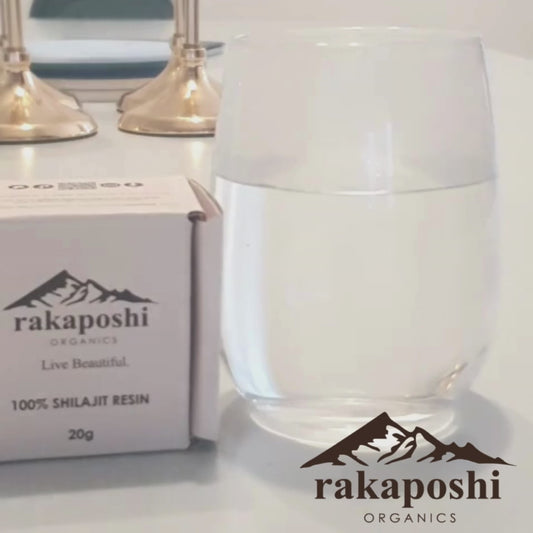
Discover authentic Rakaposhi Gold Shilajit—sourced from the Karakoram mountains of Gilgit-Baltistan, processed using traditional Aftabi sun-drying methods, independently lab-tested for purity and safety, and supporting fair trade practices. If you choose to incorporate traditional Ayurvedic approaches into your wellness journey, do so as one small component of comprehensive, evidence-based practices—not as a detoxifier, heavy metal remover, or replacement for proper nutrition, hydration, exercise, sleep, and medical care when needed.