
Understanding Liver Function and Traditional Approaches to Metabolic Health
Share
The Liver's Role in Metabolism and Energy
The liver is one of the body's most important organs for maintaining metabolism, digestion, and energy regulation. It performs hundreds of essential functions including filtering substances from the bloodstream, processing nutrients from food, producing bile for fat digestion, storing vitamins and minerals, and regulating blood sugar levels. Understanding how the liver works helps us appreciate the importance of supporting overall metabolic health through diet, lifestyle, and traditional practices.
Factors That Affect Liver Function
Modern lifestyles can impact liver function in various ways. Common factors include processed foods high in refined sugars and unhealthy fats, environmental exposure to pollutants and chemicals, chronic stress affecting overall body systems, inadequate sleep disrupting natural regeneration cycles, and sedentary lifestyles reducing circulation and metabolic activity. Recognizing these factors allows us to make informed choices about supporting our overall health and wellness.
What is Shilajit?
Shilajit is a natural resin found in high-altitude mountain ranges, particularly the Himalayas. Formed over centuries from the decomposition of plant matter and minerals, this sticky substance emerges from rock crevices during warmer months. In traditional Himalayan culture, shilajit has been valued for generations as part of daily wellness practices. The resin contains a complex mixture of naturally occurring compounds formed during its geological creation.
The Composition of Shilajit Resin
Shilajit contains over 80 trace minerals and organic compounds naturally present in its geological formation. Key components include fulvic acid (a naturally occurring organic compound formed during plant decomposition), essential minerals including iron, calcium, magnesium, zinc, and potassium, humic substances (organic compounds from plant matter breakdown), and amino acids (naturally present organic compounds). This composition varies based on geographic location, altitude, and the specific plant species that contributed to its formation over time.
Traditional Uses in Himalayan Culture
For centuries, Himalayan communities have incorporated shilajit into their traditional wellness practices. Local knowledge about harvesting, preparing, and using this resin has been passed down through generations. In these communities, shilajit is typically dissolved in warm water or milk and consumed as part of morning routines. This cultural heritage represents an important aspect of traditional Himalayan wisdom and daily life practices.
Four Key Steps to Support Metabolic Health
Step 1: Eat Nutrient-Dense Foods
A diet rich in whole foods provides the nutrients your body needs for optimal function. Consider incorporating leafy greens like spinach and kale (rich in vitamins and minerals), cruciferous vegetables such as broccoli and Brussels sprouts (high in fiber and nutrients), healthy fats from avocado, olive oil, and wild-caught fish (supporting cellular function), and whole grains and legumes (providing sustained energy). These foods provide the building blocks for healthy metabolic function.
Step 2: Stay Properly Hydrated
Water is essential for all bodily functions, including nutrient transport and waste elimination. Hydration practices include drinking adequate water throughout the day (typically 8-10 glasses), starting your morning with warm lemon water (a traditional practice in many cultures), enjoying herbal teas like milk thistle or dandelion root (traditionally used for wellness), and consuming electrolyte-rich fluids like coconut water. Proper hydration supports overall body function and wellness.
Step 3: Engage in Regular Physical Activity
Movement is essential for circulation, metabolism, and overall health. Beneficial activities include walking for 30 minutes daily to enhance circulation and oxygen delivery, strength training twice weekly to build muscle and support metabolic function, yoga including twisting poses and inversions (traditional practices for wellness), and stretching and mobility work to maintain flexibility. Regular physical activity supports overall vitality and well-being.
Step 4: Prioritize Quality Sleep and Stress Management
Rest and relaxation are fundamental to health and wellness. Important practices include aiming for 7-9 hours of quality sleep nightly to allow natural body regeneration, creating a consistent sleep schedule to support circadian rhythms, practicing stress-reducing techniques like meditation, deep breathing, or journaling, and limiting screen time before bed to improve sleep quality. These practices support overall health and metabolic function.
How to Incorporate Shilajit into Your Routine
Following traditional Himalayan practices, shilajit can be incorporated into daily wellness routines. The traditional method involves dissolving a rice-grain-sized portion (approximately 300-500mg) in warm water or tea, typically consumed in the morning. This practice has been part of Himalayan culture for generations. For convenience, shilajit is also available in capsule form with standardized dosing.
Preparation Guidelines
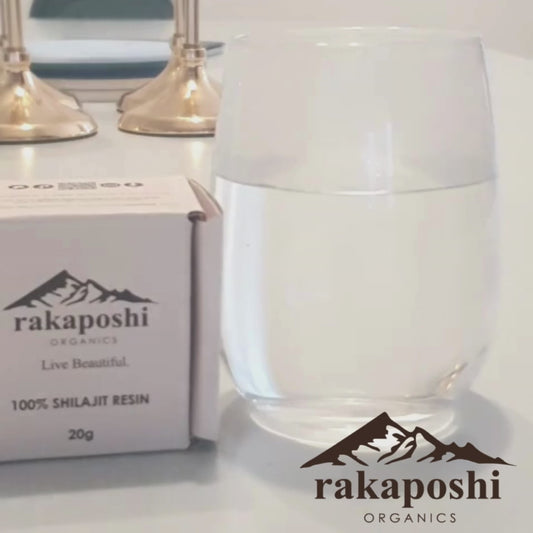
Mix shilajit resin with warm (not boiling) water and stir until fully dissolved. The resin will create a golden-hued beverage. Some traditional practices include adding honey for taste or combining with herbal teas. Consistency is important when following traditional wellness practices—daily use over time is the traditional approach.
The Importance of Quality and Purity
When selecting shilajit, quality and authenticity are essential. Look for products that meet these criteria: sourced from recognized high-altitude regions like Gilgit-Baltistan in the Himalayas, processed using traditional methods such as Aftabi sun-drying, independently lab-tested for purity and absence of contaminants (look for PCSIR or similar testing), transparent sourcing information including harvesting location and methods, and ethical practices including fair trade partnerships with local communities.
At Rakaposhi Organics, every batch undergoes independent laboratory testing to verify purity, safety, and authenticity. We work directly with local harvesters in Gilgit-Baltistan on a fair trade basis, with 10% of proceeds supporting education initiatives in the region.
Supporting Overall Wellness Through Lifestyle
Metabolic health is supported by a holistic approach combining nutrition (eating whole, nutrient-dense foods and staying properly hydrated), movement (engaging in regular physical activity appropriate for your fitness level), rest (prioritizing quality sleep and stress management), and traditional practices (incorporating time-tested wellness approaches from various cultures). This comprehensive approach supports overall vitality and well-being.
Frequently Asked Questions About Shilajit and Metabolic Health
What is Shilajit?
Shilajit is a natural resin formed over centuries from plant decomposition in high-altitude Himalayan regions. It contains over 80 trace minerals and organic compounds, including fulvic acid, and has been part of traditional Himalayan wellness practices for generations.
How is Shilajit traditionally used?
In Himalayan communities, a small amount (approximately 300-500mg) is dissolved in warm water or milk and consumed, typically in the morning. This practice has been passed down through generations as part of traditional daily routines.
How should I take Shilajit?
Following traditional practices, dissolve a rice-grain-sized portion (300-500mg) of pure shilajit resin in warm water or tea. Consume daily for consistency, preferably in the morning. Capsule forms are also available for convenience.
Is Shilajit safe?
When sourced from reputable suppliers with independent lab testing confirming purity and absence of contaminants, shilajit is generally recognized as safe for consumption. However, consult a healthcare provider before use, especially if you have underlying health conditions, are pregnant or nursing, or take medications.
How long does it take to notice results?
Individual experiences vary. Traditional practices emphasize consistency over time—typically several weeks to months of daily use. The traditional approach values patience and long-term wellness practices rather than quick results.
Can I combine Shilajit with other supplements?
While shilajit can often be combined with other dietary supplements, it's advisable to consult with a healthcare provider about compatibility, especially if you take medications or have specific health conditions.
How do I know if I'm getting authentic Shilajit?
Look for products with independent lab testing results, transparent sourcing from recognized Himalayan regions like Gilgit-Baltistan, traditional processing methods like Aftabi sun-drying, and detailed information about harvesting and purification practices.
Take a Holistic Approach to Wellness
Supporting your body's natural functions requires a comprehensive approach that includes nutrient-rich foods that provide essential vitamins and minerals, proper hydration to support all bodily processes, regular physical activity to maintain circulation and metabolic function, quality sleep and stress management for natural regeneration, and traditional wellness practices from cultures around the world. By focusing on these foundational elements, you create an environment where your body can function optimally.
Shilajit represents one traditional approach that has been valued in Himalayan communities for generations. When combined with healthy lifestyle practices, it can be part of a holistic wellness routine.
Are you ready to explore traditional wellness practices? Discover authentic, lab-tested Rakaposhi Gold Shilajit sourced directly from Gilgit-Baltistan and processed using traditional Aftabi methods.
Further Reading and Resources
For those interested in learning more about liver function, metabolism, and traditional wellness practices, consider exploring reputable health and nutrition resources, consulting with healthcare professionals or registered dietitians, researching traditional medicine systems from various cultures, and reading peer-reviewed scientific literature on metabolic health.