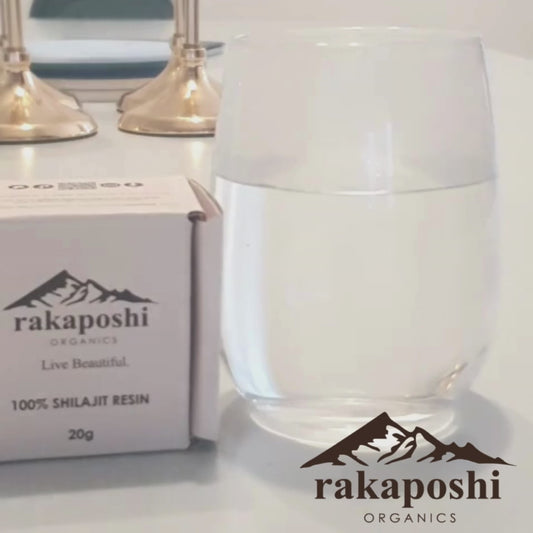

Stay Hydrated: The Key to Training and Recovery
Overview
Proper hydration is essential for overall health, especially for those engaging in physical activities. It supports performance, recovery, and muscle health. Key strategies include pre, during, and post-exercise hydration, recognizing signs of dehydration, and incorporating hydrating foods. Individual hydration needs vary, so personalizing your approach is crucial. Consider consulting a professional for tailored advice and stay informed on hydration best practices to enhance your fitness journey.
Table of Contents
- The Basics of Hydration
- Signs of Dehydration
- Hydration and Physical Performance
- The Role of Electrolytes
- Optimal Hydration Strategies for Training
- Pre-Exercise Hydration
- Hydration During Exercise
- Post-Exercise Hydration
- The Connection Between Hydration and Recovery
- Muscle Recovery
- Joint Health and Comfort
- Enhancing Hydration with Sundried Shilajit
- Holistic Approaches to Staying Hydrated
- Incorporate Hydrating Foods
- Track Your Hydration
- Set Goals
- The Importance of Individual Needs
- Consulting Professionals
- Beyond Water: Exploring Additional Hydration Aids
- Hydration in Different Climates
- Staying Educated on Hydration
- Embrace the Hydration Challenge
Key Takeaways
- Hydration is crucial for overall health: Water makes up about 60% of the human body and is essential for maintaining bodily functions.
- Recognize signs of dehydration: Symptoms include thirst, dry mouth, fatigue, dizziness, decreased urination, and dark yellow urine.
- Fluid loss impacts performance: Even a 2% body weight loss from dehydration can significantly reduce physical performance.
- Electrolytes are important: Sodium, potassium, and magnesium help maintain fluid balance and should be replenished during and after exercise.
- Develop a hydration strategy: Drink 16-20 ounces of water 2-3 hours before exercise, and 7-10 ounces every 10-20 minutes during workouts.
- Monitor recovery hydration: Aim to replace lost fluids post-exercise, with 16-24 ounces of water per pound lost.
- Individual hydration needs vary: Factors like age, gender, and climate affect personal hydration requirements, making tailored strategies essential.
Frequently Asked Questions
1. Why is hydration important for training and recovery?
2. What are the signs of dehydration?
3. How much water should I drink before, during, and after exercise?
4. What role do electrolytes play in hydration?
5. How can I personalize my hydration strategy?
Hydration plays a vital role in overall health, especially for those who engage in regular training and physical activities. Understanding the significance of proper hydration and the benefits it encompasses can aid anyone—from casual gym-goers to dedicated athletes—in reaching their fitness goals effectively. This comprehensive guide delves into the importance of hydration for training and recovery while naturally incorporating relevant topics, including sundried shilajit and Himalayan shilajit.
The Basics of Hydration
Water is fundamental to life and constitutes a significant portion of the human body—roughly 60%. Adequate hydration is essential for maintaining optimal bodily functions, including temperature regulation, nutrient transportation, and waste elimination. When exercising or training, the demand for hydration increases markedly, making it crucial for athletes to focus on proper fluid intake.
Signs of Dehydration
Recognizing the signs of dehydration is essential for maintaining performance and health during training. Common symptoms include:
- Thirst
- Dry mouth
- Fatigue
- Dizziness or lightheadedness
- Decrease in urination
- Dark yellow urine
Even mild dehydration can have a negative impact on your performance, leading to decreased concentration, muscle fatigue, and reduced endurance levels. Staying attuned to these signs is the first step toward achieving optimal hydration.
Hydration and Physical Performance
During physical activity, the body loses water through sweat and respiration. It's essential to replace the lost fluids to maintain performance levels. Research has indicated that even a 2% loss in body weight due to dehydration can lead to significant declines in performance during activities.
Furthermore, hydration supports the cardiovascular system, enabling the heart to pump blood more efficiently. This is particularly important when exercising, as muscles require adequate blood flow for nutrients and oxygen delivery.
The Role of Electrolytes
In addition to water, electrolytes play a crucial role in hydration. Electrolytes like sodium, potassium, and magnesium help regulate fluid balance, nerve function, and muscle contractions. When sweat is produced, electrolytes are lost alongside water. That's why it's essential to replenish these nutrients during and after intense exercise.
While water is the primary source of hydration, other beverages, including electrolyte drinks, can also be beneficial. Foods high in water content, such as fruits and vegetables, contribute to hydration as well.
Optimal Hydration Strategies for Training
When training, it's essential to develop a hydration strategy that meets your personal needs. Here are a few strategies to consider:
Pre-Exercise Hydration
To prepare for your workout, ensure you're adequately hydrated beforehand. Aim to drink at least 16-20 ounces of water 2–3 hours before exercising. A smaller amount, around 8-10 ounces, can be consumed about 20-30 minutes prior to starting your training session.
Hydration During Exercise
While exercising, it's recommended to drink about 7-10 ounces of water every 10-20 minutes, depending on the intensity of your workout and the climate. If you're engaging in prolonged exercise (over an hour), consider incorporating beverages that contain electrolytes.
Post-Exercise Hydration
Rehydration after exercise is just as vital as pre- and during-exercise hydration. It's beneficial to replace the fluids lost during exercise, aiming for around 16-24 ounces of water for every pound lost during your training session. Balancing this with a source of electrolytes can further support your recovery efforts.
The Connection Between Hydration and Recovery
Recovery is the period following your training when your muscles repair and prepare for the next workout. Hydration plays a pivotal role in this process, with several benefits tying hydration levels to effective recovery.
Muscle Recovery
Proper hydration can influence muscle performance and recovery. Staying hydrated encourages effective circulation, allowing for better nutrient delivery to muscles and promoting faster recovery. Sufficient fluid intake can help reduce the occurrence of muscle cramps, which can be exacerbated by dehydration.

Joint Health and Comfort
Water is essential for maintaining joint lubrication and cushioning. Staying hydrated supports joint health, enabling better mobility during workouts and making recovery more comfortable. Proper hydration can help prevent discomfort that arises from training, especially in high-impact sports.
Enhancing Hydration with Sundried Shilajit
While discussing hydration and recovery, it's worth noting natural elements, such as sundried shilajit, that some individuals consider incorporating into their wellness routines. Sundried shilajit, traditionally sourced from the Himalayan region, is a natural mineral-rich substance that people seek out for its potential benefits.
While it is essential to consume adequate water daily, pairing hydration with a balanced diet rich in vitamins and minerals can further support overall wellness and performance. Including healthy sources can be beneficial, but it’s crucial to base hydration strategies on personal training needs and preferences.
Holistic Approaches to Staying Hydrated
Optimal hydration often involves both water intake and food consumption. Consider these holistic tips for ensuring you stay hydrated:
Incorporate Hydrating Foods
Fruits and vegetables are great hydrating options, as they contain high water content. Some hydrating foods to consider include:
- Watermelon
- Cucumbers
- Oranges
- Strawberries
- Spinach
Track Your Hydration
Keeping track of your water intake can help you stay accountable. Use an app or a journal to monitor your daily consumption and remind yourself to drink water throughout the day.
Set Goals
Establish hydration goals based on your training intensity, body weight, and environment. Setting clear goals helps monitor fluid intake and ensure you are meeting your hydration needs effectively.
The Importance of Individual Needs
It's crucial to remember that hydration needs can vary significantly from person to person. Factors such as age, gender, weight, climate, and exercise intensity influence individual hydration requirements. Tailoring your hydration strategy to meet your specific needs is essential for optimizing performance and recovery.
Consulting Professionals
If uncertain about how to set up your hydration strategy, consider consulting with a registered dietitian or nutritionist. They can provide personalized recommendations based on your training goals and individual lifestyle.
Beyond Water: Exploring Additional Hydration Aids
In addition to water, there are various hydration aids individuals might explore. While it is essential to prioritize water intake, some may consider incorporating sundried shilajit or Himalayan shilajit into a balanced approach to wellness. While not directly related to hydration, these natural elements may be part of a broader dietary regimen, supporting overall health.
Hydration in Different Climates
Training in different climates can affect hydration levels. For example, workouts in hot and humid environments require increased fluid intake compared to cooler conditions. Being mindful of the surrounding climate helps inform your hydration strategy.
Staying Educated on Hydration
As more research continues on hydration and its effects on training and recovery, staying updated on the latest information can empower you to make informed decisions. Follow reputable health and fitness resources to gather knowledge about the best practices for hydration in relation to your individual training needs.
Embrace the Hydration Challenge
Incorporating proper hydration into your training regimen may seem like a challenge, but the benefits are undeniable. By understanding its importance, recognizing the signs of dehydration, and developing a personalized hydration strategy, you can enhance both training and recovery sessions.
The road to well-being is paved with good hydration practices—so raise your glass, sip thoughtfully, and embark on your fitness journey with the refreshing knowledge that hydration is a critical ally in achieving your goals. Take charge of your hydration today, and see the difference it makes in your training and recovery!
Glossary
| Term | Meaning |
|---|---|
| Hydration | The process of providing adequate fluids to the body. |
| Electrolytes | Minerals like sodium and potassium that regulate fluid balance. |
| Dehydration | A condition resulting from insufficient water in the body. |
| Performance | The ability to execute physical activities effectively. |
| Recovery | The process of restoring the body after exercise. |
| Sundried Shilajit | A natural mineral-rich substance believed to enhance wellness. |
| Pre-Exercise Hydration | Drinking fluids before a workout to prepare the body. |
| Post-Exercise Hydration | Replenishing fluids lost during exercise after the workout. |
| Hydrating Foods | Foods with high water content that support hydration. |
| Hydration Strategy | A personalized plan for fluid intake based on activity needs. |
Linked Product

Rakaposhi Gold 20 grams - Sundried Himalayan Shilajit
Rakaposhi Gold 20 grams is a premium sundried Himalayan shilajit, hand-harvested from the pristine Hunza Valley. Its mineral-rich composition supports hydration and overall health, making it a valuable addition to your training and recovery routine. The artisanal sun-drying process preserves its potency, ensuring you receive a pure and authentic product.
View Product