
Mastering Recovery: Unlocking Performance Beyond Training
Overview
Effective recovery is crucial for optimal fitness performance. This article discusses various recovery strategies, including active recovery techniques, proper hydration and nutrition, quality sleep, mindfulness practices, natural supplements like shilajit, temperature therapies, massage, and technology-assisted recovery tools. Embracing a holistic approach to recovery can enhance performance and well-being, ensuring sustainable progress in your fitness journey.
Frequently Asked Questions
1. Why is recovery important in fitness?
2. What are some active recovery techniques I can use?
3. How do hydration and nutrition affect recovery?
4. What role does sleep play in recovery?
5. Are there any natural supplements that can help with recovery?
In the realm of fitness, the focus often leans heavily on physical training and pushing limits. However, the secret to optimal performance lies not just in intense workouts but also in effective recovery strategies. Recognizing the importance of recovery can significantly improve an athlete's overall performance, endurance, and mental resilience. In this comprehensive article, we'll explore various recovery methods, including the intriguing properties of hand-harvested shilajit, to enhance your workout recovery experience.
The Importance of Recovery in Your Fitness Journey
Many athletes and fitness enthusiasts make the mistake of neglecting their recovery period. Recovery is an essential part of any training regimen and can often make or break your fitness goals. When you push your body through strenuous workouts, you create micro-tears in your muscles, leading to soreness and fatigue. Recovery allows these muscles to heal and strengthen, ultimately leading to improved performance.
Moreover, the right recovery strategies can help mitigate risks related to overtraining, including fatigue, muscle strain, and burnout. With that in mind, let's dive into some effective recovery strategies that go beyond physical training.
Active Recovery Techniques
Active recovery involves engaging in light exercises post-workout, which can aid in blood circulation and the removal of metabolic waste. Consider the following techniques:
Gentle Stretching
Incorporating gentle stretching post-workout helps relieve tension in your muscles. Focus on areas that may feel particularly tight, and hold stretches for 15-30 seconds. This may contribute not only to muscle recovery but also to improved flexibility.
Low-Impact Activities
Activities like walking, cycling, or yoga serve as an excellent way to stay active while allowing the body to recover. These low-impact workouts can promote blood flow without adding additional stress to already fatigued muscles.
Hydration and Nutrition: Pillars of Recovery
Proper hydration and nutrition play vital roles in your recovery process. Dehydration can lead to muscle cramps and prolonged soreness, while a balanced diet fuels your body’s healing mechanisms. Here are some nutritional tips to consider:
Hydrate Adequately
Water intake is crucial for muscle recovery. Post-workout, aim to replenish fluids lost during exercise. You can also include electrolyte-rich drinks to restore the balance of minerals essential for muscle function.
Emphasize Protein and Carbohydrates
A balanced diet rich in protein and carbohydrates is essential for recovery. Protein aids in muscle repair, while carbohydrates replenish glycogen stores depleted during workouts. Foods such as lean meats, legumes, whole grains, and fruits can serve as beneficial additions to your meals.
The Role of Sleep in Recovery
Getting enough quality sleep is a key component in any recovery strategy. Sleep is when your body repairs itself, and lack of it can hinder performance and recovery. Here are some tips to enhance your sleep quality:
Establish a Sleep Routine
Go to bed and wake up at the same time each day to regulate your body’s internal clock. Create a calming bedtime ritual, such as reading or meditative practices, to signal to your body that it’s time to wind down.
Create an Ideal Sleep Environment
Your sleeping environment matters—ensure your room is dark, cool, and quiet. Consider using earplugs, an eye mask, or even a white noise machine to create optimal sleeping conditions.
Mindfulness and Mental Recovery
While physical recovery is crucial, mental recovery shouldn't be overlooked. The mind plays a significant role in overall performance. Introducing mindfulness techniques into your routine can promote mental well-being and enhance recovery:
Meditation and Deep Breathing
Simple meditation or deep breathing exercises can help reduce stress levels. Incorporate these practices into your daily routine to cultivate a sense of calm and aid in mental recovery.

Visualization Techniques
Visualization is a powerful mental strategy employed by many athletes. Picture yourself successfully completing a workout or competition. This technique reinforces your determination and keeps you focused on your goals.
Exploring Natural Supplements for Recovery
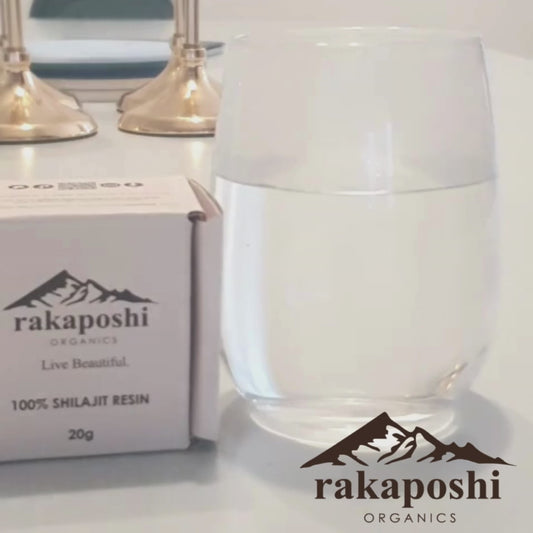
Many athletes turn to natural supplements to support their recovery journey. While there’s an array of options available, hand-harvested shilajit is gaining popularity. This naturally occurring substance may provide beneficial nutrients that could contribute to your recovery efforts.
Incorporating quality natural supplements in conjunction with your recovery practices can further your quest for optimal performance. Always ensure you choose reputable sources and consult with a healthcare provider before adding any new supplement to your regimen.
Cold and Heat Therapy
Using temperature as a recovery tool can greatly influence the healing process. Below are some effective methods:
Ice Baths and Cold Showers
Cold therapy helps decrease inflammation and can relieve muscle soreness. Many athletes utilize ice baths or cold showers after intense workouts to speed up recovery time.
Heat Therapy
Conversely, heat therapy can promote blood flow and soothe tense muscles. Consider warm baths, heating pads, or relaxation in a sauna to aid in recovery.
Massage and Myofascial Release
Another effective recovery strategy includes massage and myofascial release techniques. These approaches can help alleviate muscle tightness and enhance mobility:
Professional Massage Therapy
Visiting a licensed massage therapist can deliver targeted relief for sore muscles. Regular sessions may contribute to a quicker recovery process.
Self-Massage Techniques
Using foam rollers or massage balls, you can perform self-myofascial release at home. This technique breaks up muscle knots and improves proprioceptive awareness, aiding in recovery.
Technology-Assisted Recovery
With advancements in technology, many athletes are now leveraging tools that assist in their recovery:
Compression Gear
Wearing compression garments may help increase blood flow and reduce muscle soreness. Many athletes swear by these products for post-workout recovery.
Recovery Apps
Numerous mobile applications are available to track your recovery progress and offer guided recovery routines. Utilizing such tools can help keep you motivated and informed about your recovery journey.
Embracing a Holistic Approach to Recovery
Optimal performance is not merely about conventional training techniques; it encompasses a variety of recovery strategies that nourish both your body and mind. By considering active recovery, nutrition, hydration, sleep, mindfulness, and other innovative methods, you can ensure that you’re not just training hard but also recovering smarter.
Incorporating hand-harvested shilajit into your recovery plan, alongside these various strategies, may enhance your overall experience. Remember that what worked for someone else might not work for you; it's essential to find what best suits your individual needs and preferences.
Ultimately, your fitness journey is as much about recovery as it is about training. By investing time in your recovery, you pave the way for sustainable progress and high performance over time. Embrace these strategies, listen to your body, and take charge of your recovery process for an exciting fitness adventure ahead.
Linked Product

Rakaposhi Gold 20 grams - Sundried Himalayan Shilajit
Rakaposhi Gold 20 grams is a premium sundried Himalayan shilajit sourced from the pristine Hunza Valley, known for its high altitude and purity. This mineral-rich resin is processed using traditional methods to preserve its natural integrity, making it a suitable addition for those seeking to enhance their wellness routines. Each batch is independently lab-tested to ensure safety and authenticity, offering a reliable option for individuals focused on recovery and optimal performance.
View Product