
Understanding Minerals: The Connection Between Soil Health and Dietary Nutrition
Share
Why Dietary Minerals Matter
You're managing your stress, eating well, and maybe even taking a multivitamin. Yet many people still experience afternoon energy dips and wonder why vitality feels like a finite resource. While there are many factors that influence how we feel throughout the day—sleep quality, stress levels, hydration, blood sugar balance—one often overlooked aspect is the role of trace minerals in cellular function. Your body's energy production is a biochemical process, and it requires specific raw materials to work efficiently.
The Modern Mineral Gap
Even with a healthy diet, you may be facing a nutritional challenge that isn't your fault. Modern agricultural practices have depleted soils of essential trace minerals like magnesium, zinc, and selenium over decades of intensive farming. Research has documented this shift: studies comparing mineral content in crops from the 1950s to today show measurable decreases in certain minerals. This means the very food we eat may be less nutrient-dense than it was a century ago, even when we're making healthy choices.
The result? Your body's cellular powerhouses—the mitochondria—may be working with suboptimal mineral availability. This is one of many factors that can contribute to feeling drained, alongside sleep quality, stress, hydration, and overall lifestyle.
Beyond the Multivitamin: The Bioavailability Question
Taking a multivitamin is a common and well-intentioned step, but it addresses only part of the equation. You've supplied raw materials, but there's another critical factor: bioavailability—how effectively a nutrient can be absorbed and utilized by your cells.
Many mineral supplements are in forms that the body struggles to break down and transport across cell membranes. They may pass through your digestive system without ever reaching their intended cellular destinations. The chemical form of a mineral, the presence of absorption enhancers or inhibitors, and your individual digestive health all play roles in whether those minerals actually get used by your body.
An Ancient Approach to Mineral Nutrition
This challenge isn't new. Ancient systems of medicine identified it long ago. In Ayurveda, one of the most revered traditional substances for supporting vitality is Shilajit, a mineral-rich resin that seeps from the rocks of the Himalayas. This substance has been part of traditional wellness practices for thousands of years.
Shilajit's traditional value isn't just its density of over 80 trace minerals naturally absorbed during its geological formation. A key component is its content of fulvic acid, a naturally occurring organic compound formed during plant decomposition over centuries.
Understanding Fulvic Acid
Fulvic acid is a small-molecule organic compound that occurs naturally in healthy soil, compost, and geological formations like shilajit. In nature, fulvic acid plays a role in nutrient cycling and soil health. Its molecular structure allows it to:
- Bind to minerals, making them more soluble in water
- Act as a natural chelator, forming complexes with minerals
- Exist in a form that can interact with cell membranes
In traditional Ayurvedic understanding, fulvic acid was valued as a component that accompanied minerals in their natural state. Modern research into fulvic acid examines its chemical properties and how it interacts with minerals in solution, though it's important to note that traditional uses and modern scientific understanding are distinct areas of knowledge.
The Rakaposhi Gold Standard
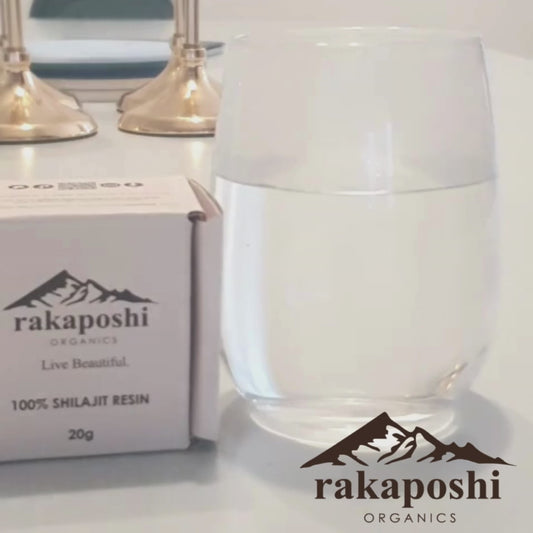
At Rakaposhi Organics, we believe quality and purity are non-negotiable. Our Rakaposhi Gold Sundried Himalayan Shilajit is sourced directly from the pristine Karakoram range in Gilgit-Baltistan, ensuring an uncontaminated source of these trace minerals and fulvic acid in their naturally occurring forms.
Every batch undergoes rigorous independent laboratory testing by PCSIR (Pakistan Council of Scientific and Industrial Research) to verify:
- Purity and authenticity
- Absence of heavy metals and contaminants
- Safety for human consumption
- Consistency with quality standards
We use traditional Aftabi sun-drying methods that have been practiced for generations, preserving the natural character of the resin without excessive chemical processing. We work directly with local harvesters on a fair trade basis, with 10% of proceeds supporting education initiatives for children in Gilgit-Baltistan.
A Holistic Approach to Wellness
If you're doing many things right but still feel less energetic than you'd like, it may be worth looking at multiple factors:
Dietary Minerals: Are you getting adequate trace minerals from varied whole foods? Consider the quality and diversity of your diet, not just the quantity.
Bioavailability: Are the minerals you're consuming—whether from food or supplements—in forms your body can actually use?
Lifestyle Factors: Sleep quality, stress management, hydration, and physical activity all play crucial roles in how you feel.
Soil and Food Quality: Consider sourcing from regenerative farms when possible, or supplementing with high-quality, bioavailable mineral sources.
Traditional Preparation and Use
Following traditional Ayurvedic practices, shilajit is typically prepared by dissolving a rice-grain-sized portion (approximately 300-500mg) in warm water or milk, consumed in the morning as part of daily routines. This practice has been part of Himalayan and Ayurvedic traditions for millennia.
The traditional approach emphasizes consistency over time, viewing wellness as a long-term practice rather than a quick fix. As with any dietary supplement, consult a healthcare professional before use, especially if you have pre-existing health conditions, are pregnant or nursing, or take medications.
The Bigger Picture
Addressing how you feel throughout the day isn't about finding a single solution—it's about understanding the multiple factors at play. The mineral content of your food matters. The form those minerals take matters. Your body's ability to absorb and use them matters. Your sleep, stress levels, and overall lifestyle matter.
By focusing on high-quality, bioavailable mineral sources—whether from nutrient-dense whole foods, regeneratively grown produce, or traditional substances like shilajit—you can address one important piece of the wellness puzzle. This isn't about managing symptoms; it's about providing your body with the foundational raw materials it needs to function optimally.
Frequently Asked Questions
How have modern agricultural practices affected soil minerals?
Decades of intensive farming have documented decreases in certain soil minerals. Research comparing crops from the 1950s to today shows measurable reductions in minerals like magnesium, zinc, iron, and selenium in some foods. The extent varies by region, crop type, and farming practices.
What is bioavailability and why does it matter?
Bioavailability refers to how effectively a nutrient can be absorbed and utilized by the body. A mineral supplement might contain high amounts on the label, but if it's in a form your body can't break down or absorb, it won't provide the intended nutritional value. Factors affecting bioavailability include the chemical form of the mineral, presence of absorption enhancers or inhibitors, and individual digestive health.
What is fulvic acid?
Fulvic acid is a naturally occurring organic compound formed during the decomposition of plant materials over extended periods. It's found in healthy soil, compost, and geological formations like shilajit. Its small molecular size and chemical structure allow it to bind with minerals and interact with biological systems.
How does Shilajit compare to a multivitamin?
They're different approaches. Multivitamins contain isolated vitamins and minerals in specific doses. Shilajit is a natural geological substance containing over 80 trace minerals in their naturally occurring forms, along with fulvic acid and other organic compounds formed over centuries. Neither replaces a nutrient-dense whole-food diet, which remains the foundation of good nutrition.
Is Shilajit safe?
When sourced from reputable suppliers with independent lab testing confirming purity and absence of heavy metals and contaminants, shilajit is generally recognized as safe for consumption. However, consult a healthcare provider before use, especially if you have kidney conditions, gout, elevated uric acid levels, are pregnant or nursing, or take medications.
How should I use Shilajit?
Following traditional practices, dissolve a rice-grain-sized portion (300-500mg) in warm water or tea and consume daily, typically in the morning. Consistency over time is emphasized in traditional approaches. Start with smaller amounts to assess personal tolerance.
How long does it take to notice results?
Individual experiences vary significantly based on overall diet, lifestyle, sleep quality, stress levels, and baseline nutritional status. Traditional practices emphasize patience and consistency over weeks to months rather than expecting immediate changes. If you're experiencing persistent low energy, consult a healthcare professional to rule out underlying conditions.
The Foundation Matters
Your body's biochemical processes require specific raw materials—trace minerals among them. Modern agricultural practices have created challenges in obtaining these minerals from food alone. Understanding bioavailability helps you make informed choices about supplementation.
Shilajit represents an ancient approach to this modern challenge: a naturally occurring source of trace minerals and fulvic acid, formed over centuries in the pristine Himalayas, used in traditional practices for millennia. When sourced responsibly, tested rigorously, and used as part of a holistic wellness routine that includes quality sleep, stress management, proper nutrition, and physical activity, it can be one tool in building a foundation of overall wellness.
Discover authentic, lab-tested Rakaposhi Gold Shilajit sourced from the Karakoram range and processed using traditional Aftabi methods. Experience the quality and purity that comes from ethical sourcing, rigorous testing, and respect for traditional knowledge.