
The Journey of Pure Shilajit Resin: From Himalayan Mountains to Traditional Use
Share
What is Shilajit Resin?
Shilajit resin is a sticky, tar-like substance found primarily in the rocks of the Himalayas, particularly in regions like Gilgit-Baltistan and the Karakoram range. It emerges from mountain crevices during warmer months, formed through the decomposition of plant material over hundreds to thousands of years. This slow geological process allows shilajit to accumulate a wealth of minerals and organic compounds, making it a unique natural substance that has been valued in traditional Himalayan and Ayurvedic practices for millennia.
The Geological Journey of Pure Shilajit Resin
The formation of pure shilajit resin begins with the rich flora of the Himalayan mountain range. Indigenous plants and herbs grow, die, and decompose in the mineral-rich soil of high-altitude environments. Over centuries, heat, pressure, and specific geological conditions transform this organic material into the potent resin we know today.
This ancient natural process has created a substance with a complex composition that reflects the unique botanical and geological environment of the Himalayas. The traditional knowledge of harvesting shilajit has been preserved by local communities and healers for generations, ensuring that the resin's natural properties are maintained during collection and processing.
Traditional Harvesting in the Himalayas
Local harvesters in Gilgit-Baltistan have passed down knowledge of shilajit collection through generations. They understand the mountain environment intimately, knowing which elevations and locations produce the highest quality resin, the optimal seasons for collection when the resin naturally emerges, and traditional methods for identifying authentic shilajit versus other substances.
This cultural heritage represents centuries of accumulated wisdom about the Himalayan environment and its natural resources. At Rakaposhi Organics, we work directly with these local harvesters on a fair trade basis, ensuring fair compensation for their expertise while preserving traditional knowledge.
Composition and Mineral Profile
The true uniqueness of pure shilajit resin lies in its complex natural composition, formed through geological processes over extended time periods.
Naturally Occurring Organic Compounds
Shilajit contains organic compounds formed during plant decomposition, including humic substances created through the breakdown of plant matter over centuries, and various phytonutrients from the diverse Himalayan plant species that contributed to its formation. These compounds are naturally present as a result of the geological formation process, not added or enhanced.
Minerals and Trace Elements
Rich in over 80 minerals absorbed from the mountain environment during formation, shilajit contains essential minerals such as magnesium (important for numerous bodily functions), iron (a component of hemoglobin), calcium (essential for bone structure), potassium (an electrolyte mineral), and trace elements including zinc, selenium, and copper. Each mineral is naturally present in the geological formation, with concentrations varying based on the specific location and altitude of collection.
This diverse mineral profile reflects the unique geological composition of the Himalayan mountain range and the plant species that grew in these high-altitude environments over millennia.
Traditional Uses in Ayurvedic Practice
In Ayurvedic traditional medicine, which has been practiced for thousands of years, shilajit has held a valued place as part of holistic wellness approaches. Ancient Ayurvedic texts describe shilajit as a substance used in traditional formulations and daily practices, often referred to in Sanskrit texts with reverence for its mineral richness and geological origins.
Traditional practitioners valued shilajit as part of comprehensive wellness routines that included diet, lifestyle practices, herbal preparations, and seasonal adjustments. This traditional knowledge represents an important aspect of cultural heritage and ancient medical wisdom, distinct from modern medical claims.
The Importance of Sourcing Pure, Authentic Shilajit
When selecting shilajit, quality and authenticity are paramount for both safety and effectiveness. The quality of resin can vary significantly depending on where and how it is harvested and processed.
Look for Authenticity
Genuine shilajit should have specific characteristics including a unique, pungent aroma (earthy and slightly bitter), dark color ranging from deep brown to black, sticky, resinous texture that softens with warmth, and the ability to fully dissolve in warm water creating a golden-hued liquid. Authentic shilajit is not a powder or capsule in its natural state—it is a resin. While powder and capsule forms exist for convenience, resin form is the most traditional and least processed.
Verify Purity Through Lab Testing
Purity is critical when it comes to shilajit. The Himalayan environment is generally pristine, but testing ensures safety. Look for products that are independently tested by recognized laboratories (such as PCSIR in Pakistan), verified for absence of heavy metals and contaminants, confirmed for authenticity (not synthetic or adulterated), and consistent with quality standards for human consumption.
At Rakaposhi Organics, every batch of Rakaposhi Gold undergoes rigorous independent laboratory testing by PCSIR to verify purity, safety, and authenticity. We provide transparency through available lab certificates, ensuring you receive genuine, tested shilajit resin.
Traditional Processing Methods
The processing method matters. Traditional approaches like the Aftabi sun-drying method used in Gilgit-Baltistan preserve the natural character of the resin without excessive chemical processing, maintain the naturally occurring mineral and organic compound profile, and honor centuries-old practices passed down through generations.
Avoid products with unknown processing methods, excessive chemical purification, or synthetic additives that alter the natural composition.
How to Incorporate Pure Shilajit Resin into Your Routine
Following traditional practices, shilajit resin can be incorporated into daily wellness routines in several ways.
Mix with Warm Water (Traditional Method)
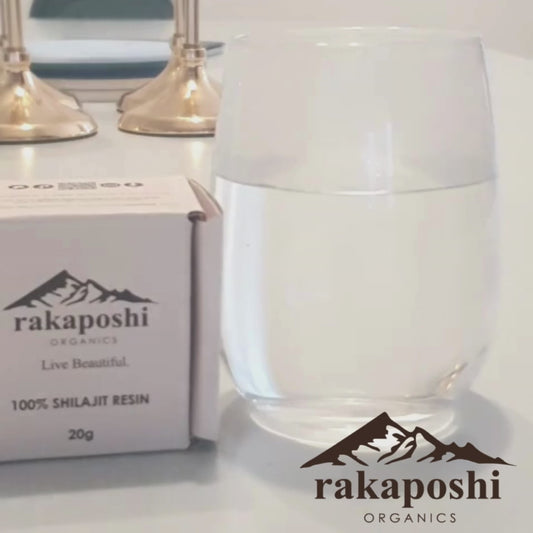
The most traditional and common method is to dissolve a rice-grain to pea-sized portion (approximately 300-500mg) in warm (not boiling) water. The resin will fully dissolve, creating a golden-hued beverage. This is typically consumed in the morning on an empty stomach, following traditional Ayurvedic and Himalayan practices.
Add to Smoothies or Beverages
For those who prefer a more flavorful approach, dissolve the resin first in a small amount of warm water, then add to smoothies, herbal teas, golden milk (turmeric milk), or fresh juices. This method incorporates shilajit while masking its natural earthy flavor.
Traditional Culinary Uses
In some traditional practices, shilajit has been added to warm preparations like soups or stews toward the end of cooking to preserve its properties, mixed with honey as a traditional combination, or combined with ghee (clarified butter) in Ayurvedic preparations. The key is avoiding high heat, which may alter the natural compounds.
Dosage and Consistency
Traditional practices typically suggest 300-500mg daily (approximately a rice-grain to pea-sized portion). Start with a smaller amount to assess personal tolerance, then gradually adjust as needed. Consistency is emphasized in traditional approaches—daily use over weeks to months rather than sporadic consumption.
As with any dietary supplement, consult a healthcare professional before use, especially if you have pre-existing health conditions, are pregnant or nursing, or take medications.
Potential Considerations and Interactions
While pure shilajit resin is generally recognized as safe when properly sourced and tested, certain considerations are important.
Individual Sensitivities
Some individuals may experience sensitivity to shilajit or specific plant compounds in its composition. If you have known allergies to plants or botanical substances, consult with a healthcare provider before use. Start with a very small amount to assess tolerance.
Medical Conditions and Medications
Consult your healthcare provider before using shilajit if you have kidney conditions or elevated uric acid levels (gout), take medications that might interact with mineral supplements, have iron overload conditions, or are pregnant or nursing.
This consultation ensures there are no contraindications or interactions with your specific health situation.
Ethical Sourcing and Community Support
Choosing ethically sourced shilajit supports both environmental sustainability and the communities that have maintained this traditional knowledge for generations.
At Rakaposhi Organics, we are committed to sustainable harvesting practices that don't deplete natural resources, fair trade partnerships ensuring fair compensation for local harvesters, community support with 10% of proceeds funding education initiatives for children in Gilgit-Baltistan, and preservation of traditional knowledge and cultural practices.
This approach honors the cultural heritage while supporting the families and communities that make this ancient tradition possible.
Frequently Asked Questions About Pure Shilajit Resin
What is shilajit resin?
Shilajit resin is a sticky, tar-like natural substance found in the Himalayas, formed over centuries from the decomposition of plant material and absorption of minerals. It contains over 80 minerals and organic compounds naturally present in its geological formation.
What makes shilajit resin "pure"?
Pure shilajit resin means it is authentic (not synthetic or fake), uncontaminated (free from heavy metals and toxins verified by lab testing), minimally processed (using traditional methods like sun-drying), and unadulterated (no synthetic additives or fillers). Always look for independent lab testing to verify purity.
How is shilajit resin different from powder or capsules?
Resin is the natural, traditional form—sticky and tar-like, requiring dissolution in warm water. Powder is processed resin that has been dried and ground for easier mixing. Capsules contain either resin or powder in encapsulated form for convenience. Resin form is considered the most authentic and least processed, though all forms can be quality products if properly sourced and tested.
How should I store shilajit resin?
Store in a cool, dry place away from direct sunlight and heat, in a tightly sealed container to prevent moisture exposure, and away from strong odors as the resin can absorb surrounding scents. Properly stored shilajit resin can maintain its quality for extended periods.
How do I know if my shilajit is authentic?
Authentic shilajit should have a pungent, earthy aroma, dissolve completely in warm water creating a golden liquid, have a sticky, resinous texture, come with independent lab testing certificates, and include transparent sourcing information from recognized Himalayan regions.
Can I take shilajit with other supplements?
While shilajit can often be combined with other dietary supplements, consult with a healthcare provider about compatibility, especially if you take medications or have specific health conditions. Some minerals can interact with certain medications.
How long does it take to notice results?
Individual experiences vary significantly based on overall diet, lifestyle, baseline nutritional status, and consistency of use. Traditional practices emphasize patience and long-term consistency over weeks to months rather than expecting immediate changes.
Is shilajit safe?
When sourced from reputable suppliers with independent lab testing confirming purity and absence of contaminants, shilajit is generally recognized as safe for consumption. However, consult a healthcare professional before use, especially if you have medical conditions, are pregnant or nursing, or take medications.
Why Choose Pure Shilajit Resin?
Pure shilajit resin represents a connection to ancient Himalayan and Ayurvedic traditions, formed through natural geological processes over centuries. With its rich mineral composition, traditional cultural significance, and the wisdom of generations of traditional practitioners, it offers a unique natural substance for those interested in traditional wellness practices.
In a world of synthetic supplements and processed products, pure shilajit resin reminds us of the natural substances that traditional cultures have valued for millennia. By choosing high-quality, lab-tested, ethically sourced shilajit, you support both your wellness journey and the preservation of Himalayan cultural heritage.
Discover authentic Rakaposhi Gold Shilajit—sourced directly from the Karakoram range, processed using traditional Aftabi sun-drying methods, independently lab-tested for purity and safety, and supporting fair trade practices and education initiatives in Gilgit-Baltistan. Experience the tradition that has been valued for thousands of years.