
Sourcing Shilajit: Ethical Considerations and Environmental Impact
Overview
Shilajit, a natural substance used in Ayurvedic medicine, raises important ethical and environmental concerns regarding its sourcing from high-altitude regions. As demand grows, issues like fair trade, community involvement, and sustainability become crucial to protect both local ecosystems and indigenous knowledge. Consumers can promote responsible practices by choosing ethically sourced products and supporting local communities. Future regulations and awareness are key to ensuring shilajit's sustainable legacy.
Frequently Asked Questions
1. What is shilajit and where is it sourced from?
2. What are the ethical considerations involved in sourcing shilajit?
3. How can consumers ensure they are purchasing authentic shilajit?
4. What are the potential environmental impacts of shilajit harvesting?
5. What steps can consumers take to promote sustainability in the shilajit industry?
Shilajit is a natural substance traditionally used in Ayurvedic medicine, primarily sourced from the high-altitude regions of the Himalayas and Karakoram mountains. It is formed over centuries from decomposed plant matter and minerals, accumulating in rock crevices and cliffs. However, as the popularity of shilajit has grown, it brings along critical questions about its sourcing, sustainability, and environmental impact. In this article, we will delve into the ethical considerations surrounding shilajit sourcing and the implications it has for the environment.
The Cultural Significance of Shilajit
Understanding the cultural context of shilajit is crucial to appreciate its value. For centuries, indigenous communities residing in the high-altitude regions have utilized shilajit as part of their traditional wellness practices. These communities possess deep knowledge about the land and practices associated with this revered substance. It's important to respect their cultural heritage and ensure that any sourcing practices do not compromise their traditional knowledge or rights.
The Sourcing of Shilajit
How is Shilajit Collected?
The process of collecting shilajit is labor-intensive and often challenging. Typically harvested at altitudes ranging from 15,000 to over 20,000 feet, collectors must navigate rugged terrains and unpredictable weather conditions. They extract shilajit from the natural rock formations, where it oozes during warmer months. However, the increased demand for shilajit has led to practices that may endanger the delicate ecosystems where it is harvested.
Ethical Considerations in Shilajit Sourcing
As shilajit gains popularity in wellness circles, ethical sourcing becomes ever more critical. Key considerations include:
- Fair Trade Practices: Ethical sourcing ensures that local communities and collectors receive fair compensation for their labor and resources.
- Environmental Impact: Sustainable harvesting methods must be employed to protect the fragile ecosystems where shilajit is found.
- Community Involvement: Engaging local communities in the sourcing process helps preserve their traditional practices and promotes economic development.
Sustainability and Environmental Impact
The ecological consequences of shilajit sourcing are significant and warrant attention. The delicate balance of high-altitude biodiversity can be disrupted through improper harvesting techniques. Here are some potential impacts:
Threats to Biodiversity
High-altitude environments are often home to unique flora and fauna that can be highly sensitive to changes in their ecosystem. Overharvesting shilajit might lead to:
- Habitat Destruction: Unregulated extraction can cause damage to plant communities and animal habitats.
- Erosion and Soil Degradation: Disturbing the soil and vegetation can lead to increased erosion, further damaging the landscape.
Climate Change Considerations
The impacts of climate change are already affecting high-altitude regions. With melting glaciers and shifting weather patterns, the landscapes where shilajit is sourced could change dramatically. This may affect the availability and quality of shilajit, as well as the viability of traditional harvesting practices.

Quality Control and Testing of Shilajit
Implementing rigorous quality control measures is essential to ensure that shilajit meets safety and quality standards. Pure shilajit should contain a range of minerals and organic compounds, including fulvic acid and humic acid. Here’s what to consider:
Methods of Testing
- Laboratory Analysis: Analyzed for purity and the presence of harmful contaminants such as heavy metals.
- Visual Inspection: Genuine shilajit is typically black or brown and has a sticky, tar-like consistency.
Importance of Authenticity
Due to the increase in popularity, there are many counterfeit products in the market. Authentic shilajit must come from reputable sources with transparent practices. Consumers should demand quality and traceable origins to ensure they are supporting ethical sourcing.
Consumer Responsibility
As consumers, the choices we make have far-reaching effects. Embracing ethical purchasing practices can help promote sustainability within the shilajit industry. Here are some actionable steps:
- Research Suppliers: Look for brands that prioritize ethical sourcing and sustainability.
- Support Local Communities: Choose products that ensure fair compensation for local harvesters.
- Educate Yourself: Understanding the impact of your purchases can lead to more informed choices.
Regulating the Shilajit Industry
The management and regulation of shilajit sourcing are essential to protect the environment and ensure ethical practices. Countries where shilajit is harvested are beginning to establish guidelines to govern its collection and trade. Some of these regulations include:
- Licensing for Harvesters: Ensuring that harvesters are trained and adhere to sustainable practices.
- Monitoring Ecosystems: Regularly monitoring biodiversity and the health of ecosystems where shilajit is sourced.
- Promoting Awareness: Educating consumers about the importance of ethical sourcing for sustainability.
The Future of Shilajit
As awareness of ethical considerations in sourcing increases, the future of shilajit can be positively shaped. Collaborative efforts among local communities, businesses, and consumers can lead to sustainable practices that respect traditional knowledge while protecting the environment. This approach ensures that the legacy of shilajit continues for future generations.
Ultimately, considering the ethical and environmental impact of shilajit sourcing is essential as it becomes a more prevalent product in the wellness space. By making informed choices and supporting ethical practices, we can engage with this traditional substance in a way that respects its heritage and promotes sustainability.
Embarking on a Responsible Journey
By keeping ethical sourcing and quality at the forefront, consumers can enjoy shilajit products while fostering positive impacts on the environment and local communities. Let’s embark on this journey towards sustainability together, ensuring that shilajit remains a respected and valued part of our wellness practices.
Linked Product

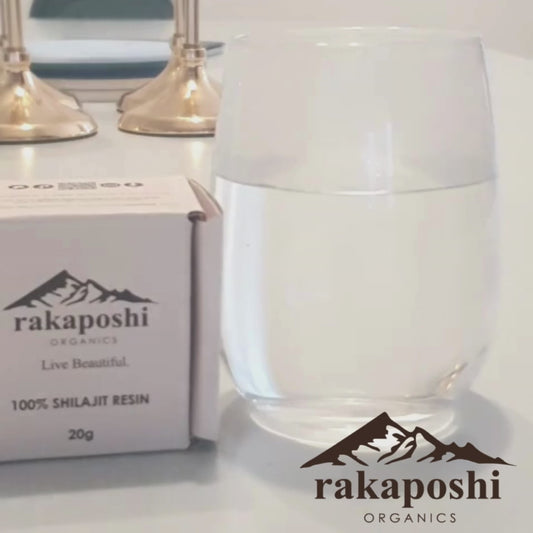
Rakaposhi Gold 20 grams - Sundried Himalayan Shilajit
Rakaposhi Gold offers a premium, 100% organic shilajit sourced from the pristine Hunza Valley at extreme altitudes. Its artisanal sun-drying process preserves the natural potency and integrity of this ancient resin, making it a valuable addition to wellness routines. Each batch undergoes rigorous lab testing, ensuring purity and safety for consumers.
View Product