
Shilajit in Traditional Wellness: Understanding an Ancient Ayurvedic Substance
Share
Ancient Remedy, Modern Interest
In today's world of wellness trends, one ancient substance continues to generate interest: shilajit. Revered for centuries in Ayurvedic medicine, shilajit represents a connection between traditional wisdom and modern curiosity about natural substances.
However, it's crucial to distinguish between traditional use, marketing claims, and what scientific research actually shows. Understanding this difference helps you make informed decisions about whether shilajit fits into your wellness approach—and with what expectations.
What Is Shilajit?
Shilajit is a sticky, tar-like resin that exudes from rocks in high-altitude mountain ranges during warm months. It's formed over centuries through the decomposition of plant matter and minerals, creating a complex substance containing organic compounds and trace minerals.
Where Is Shilajit Found?
Primary sources:
- Himalayan mountain ranges (Nepal, India, Bhutan, Tibet)
- Altai Mountains (Central Asia)
- Caucasus Mountains
- Other high-altitude regions
Harvesting:
- Collected during summer months when warmth causes resin to seep from rocks
- Traditional harvesting is labor-intensive
- Requires purification to remove impurities and potential contaminants
- Quality and composition vary significantly by source and processing
Composition
What shilajit contains:
- Fulvic acid: 40-60% in quality sources; complex organic acid with chelating properties
- Humic acid: Another organic compound present in varying amounts
- Trace minerals: Over 80 minerals in ionic forms (amounts vary by source)
- Dibenzo-alpha-pyrones: Organic compounds unique to shilajit
- Other bioactive compounds: Various organic acids, resins, plant-derived compounds
Important: Composition varies significantly between sources, seasons, and processing methods. This variability makes standardization and research challenging.
Traditional Use in Ayurvedic Medicine
Historical Context
In Ayurvedic medicine (traditional medicine system of India), shilajit has been used for thousands of years. Classical Ayurvedic texts describe it as a "rasayana"—a category of substances believed to promote rejuvenation, longevity, and vitality.
Traditional uses included:
- Supporting overall vitality and strength
- Promoting longevity and healthy aging
- Supporting various body systems
- Part of rejuvenation protocols
- Supporting reproductive health
- Enhancing physical and mental capacity
Critical context: In traditional Ayurvedic practice, shilajit was NEVER used in isolation. It was always part of comprehensive protocols that included:
- Proper diet appropriate to one's constitution (dosha)
- Lifestyle practices and daily routines (dinacharya)
- Seasonal adjustments (ritucharya)
- Yoga and physical practices
- Meditation and spiritual practices
- Other herbs in specific formulations
- Proper digestion and elimination
Traditional practitioners viewed shilajit as supporting overall balance and wellness within a holistic system, not as a standalone treatment for specific conditions.
What Research Has Actually Examined
While shilajit has extensive traditional use, scientific research is limited and preliminary. Let's examine what studies actually show versus what marketing claims suggest.
Energy and Fatigue
Research:
- One study (n=63) showed reduced fatigue markers in a specific population
- A few other small studies with mixed results
- Most research is short-term (8-12 weeks) with small sample sizes
Limitations:
- Mechanisms unclear
- Clinical significance unknown
- No rigorous studies on subjective energy in healthy individuals
- Laboratory findings don't necessarily translate to feeling more energetic
Reality: Claims about "boosting energy," "combating fatigue," or "enhancing focus" go beyond current evidence.
Male Fertility and Testosterone
Research:
- One small study (n=35) in infertile men showed increased testosterone
- Another small study (n=75) in healthy volunteers showed modest increases
- One study on sperm parameters in infertile men
Limitations:
- Very small sample sizes
- Short duration (90 days)
- Unclear mechanisms
- Unknown long-term effects
- Clinical significance for fertility outcomes unclear
- Most research in infertile populations, not healthy men
Reality: Claims about "significantly improving testosterone," "enhancing fertility," or "improving sperm quality" are based on very limited research with major limitations. This is not a proven fertility treatment.
Athletic Performance
Research:
- One very small study (n=63) on muscle strength
- Limited research on exercise performance
- Most studies in untrained or sedentary populations
Limitations:
- Very small sample sizes
- No studies in trained athletes
- Mechanisms unclear
- No research on "oxygen utilization," "muscle soreness," or "recovery"
Reality: Claims about "enhancing athletic performance," "reducing muscle soreness," "speeding recovery," or "boosting stamina" are not supported by rigorous research.
Skin and Hair
Research:
- Virtually NO human studies on skin or hair outcomes
- Some in vitro studies on antioxidant properties
- No clinical trials on skin aging, wrinkles, or hair growth
Limitations:
- Antioxidant properties in test tubes don't equal skin benefits in humans
- No evidence for topical or internal use for cosmetic purposes
Reality: Claims about "promoting radiant skin," "reducing signs of aging," "strengthening hair," "promoting hair growth," or "preventing dandruff" have essentially zero scientific support.
Anti-Aging and Longevity
Research:
- NO human studies on lifespan or aging
- Some in vitro studies on antioxidant properties
- A few animal studies with mixed results
Limitations:
- Antioxidant properties don't equal anti-aging effects
- No human evidence for "slowing cellular aging" or "long-term vitality"
Reality: Claims about "anti-aging benefits," "fighting oxidative stress to slow aging," or "ensuring long-term vitality" are not supported by human research.
Immunity, Blood Sugar, Heart Health, Bone Health, Digestion
Research:
- Virtually NO rigorous human studies on any of these outcomes
- Some preliminary animal or in vitro studies
- No clinical trials on disease prevention or treatment
Limitations:
- Laboratory or animal findings don't translate to human health benefits
- No evidence for therapeutic or preventive effects
Reality: Claims about "supporting immunity," "balancing blood sugar," "promoting heart health," "strengthening bones," or "improving digestion" are not supported by human research and constitute disease prevention claims.
What We Don't Know (Critical Gaps)
There are NO rigorous human clinical trials examining:
- Shilajit's effects on energy levels in healthy individuals
- Shilajit's effects on fertility outcomes (pregnancy rates, etc.)
- Shilajit's effects on athletic performance in trained individuals
- Shilajit's effects on skin appearance or aging
- Shilajit's effects on hair growth or health
- Shilajit's effects on lifespan or aging processes
- Shilajit's effects on immune function
- Shilajit's effects on blood sugar regulation
- Shilajit's effects on cardiovascular health
- Shilajit's effects on bone density
- Shilajit's effects on digestive function
- Long-term safety (studies beyond 90 days are rare)
- Optimal dosing for any health outcome
- Interactions with medications or other supplements
- Effects in specific populations (elderly, pregnant women, children, etc.)
Critical Reality Check: Marketing vs. Evidence
Claims That Go Beyond Evidence
Marketing claims that shilajit:
- "Transforms energy, skin health, fitness, and overall well-being"
- "Boosts energy and mental clarity"
- "Combats fatigue and enhances focus"
- "Improves energy metabolism and helps body manage stress"
- "Enhances male fertility"
- "Significantly improves testosterone levels, sperm quality, and motility"
- "Supports fertility and overall vitality"
- "Replenishes body's nutrient stores, ensuring optimal cellular function"
- "Improves nutrient absorption"
- "Promotes radiant skin"
- "Combats free radicals, reducing signs of aging"
- "Results in glowing, youthful skin"
- "Strengthens hair health"
- "Promotes hair growth"
- "Prevents dandruff"
- "Supports athletic performance"
- "Enhances oxygen utilization, reduces muscle soreness, speeds recovery"
- "Boosts stamina"
- "Fights oxidative stress, slowing cellular aging"
- "Ensures long-term vitality and resilience"
- "Supports immunity, balances blood sugar, promotes heart health"
- "Strengthens bones, improves digestion, enhances overall wellness"
...ALL go far beyond what current scientific evidence supports.
The Reality
- Shilajit is NOT a proven energy booster
- It is NOT a proven fertility treatment
- It is NOT a proven testosterone booster for healthy men
- It is NOT a proven athletic performance enhancer
- It is NOT a proven skin or hair treatment
- It is NOT a proven anti-aging substance
- It is NOT a proven immune booster
- It is NOT a proven treatment for blood sugar, heart health, bone health, or digestive issues
- Research is extremely limited, preliminary, and has major methodological limitations
- Traditional use does not equal scientific proof of efficacy
- Any effects are likely modest at best
- It cannot replace evidence-based approaches to health and wellness
Safety Considerations
Quality and Purity Concerns
Critical issues:
- Heavy metal contamination: Shilajit can contain lead, mercury, arsenic if not properly purified
- Variability: Composition varies dramatically between sources
- Lack of standardization: No universal quality standards
- Adulteration: Some products may be adulterated or fake
Essential: Only use shilajit from reputable sources that provide:
- Third-party lab testing for purity
- Verification of heavy metal absence
- Transparent sourcing and processing information
- Proper purification methods (traditional Aftabi sun-drying preferred)
Potential Side Effects and Interactions
Possible concerns:
- May affect blood pressure (caution if you have hypotension or take blood pressure medications)
- May affect blood clotting (caution with blood thinners)
- Unknown interactions with medications or other supplements
- Effects on hormones unclear (caution with hormone-sensitive conditions)
- Not recommended during pregnancy or breastfeeding (insufficient safety data)
- May cause digestive upset in some people
CRITICAL: Consult a healthcare provider before using shilajit, especially if you:
- Have any medical conditions
- Take any medications
- Are pregnant or breastfeeding
- Have hormone-sensitive conditions
- Have concerns about fertility (seek proper medical evaluation and treatment)
What Shilajit Is NOT
Shilajit is NOT:
- A substitute for medical treatment
- A fertility treatment (if you have fertility concerns, see a reproductive endocrinologist)
- A testosterone replacement (if you have low testosterone, see an endocrinologist)
- An athletic performance enhancer (focus on training, nutrition, sleep, recovery)
- A skincare or hair care treatment (use evidence-based products)
- An anti-aging solution (focus on sun protection, healthy lifestyle, medical care)
- A disease prevention or treatment (for health concerns, see appropriate healthcare providers)
If You Choose to Use Shilajit
Realistic Expectations
If you're interested in shilajit based on its traditional use and want to incorporate it as part of a holistic wellness approach:
Understand that:
- It is NOT a proven health intervention for any specific outcome
- Any benefits are likely modest and may be placebo effect
- It should be ONE SMALL component of comprehensive wellness, not a primary strategy
- Evidence-based approaches (nutrition, exercise, sleep, stress management, medical care) are far more important
Traditional use pattern:
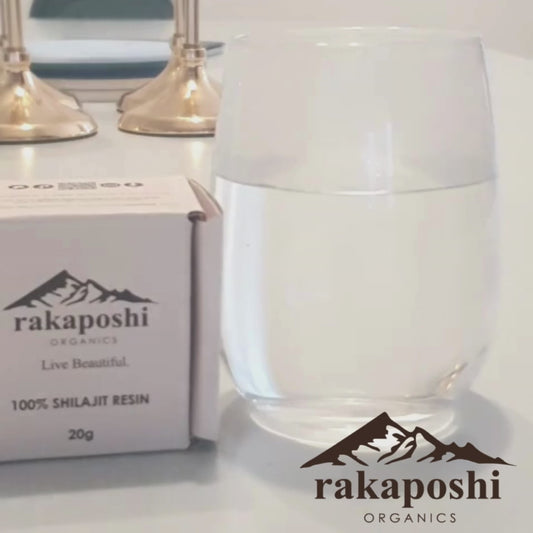
- 300-500mg of purified resin dissolved in warm water
- Typically consumed in the morning
- As part of comprehensive Ayurvedic lifestyle practices
Prioritize fundamentals:
- Quality sleep (7-9 hours nightly)
- Nutrient-dense diet
- Regular exercise (aerobic + strength)
- Stress management
- Social connection and purpose
- Preventive medical care
- Evidence-based treatments for specific concerns
Choose Quality
If purchasing shilajit:
- ✅ Third-party lab tested for purity and heavy metals
- ✅ Transparent sourcing (Himalayan regions preferred)
- ✅ Traditional processing (Aftabi sun-drying)
- ✅ Reputable company with quality documentation
- ✅ Realistic marketing (not making extreme health claims)
Avoid:
- ❌ Products making extreme health claims
- ❌ Suspiciously cheap shilajit (quality product is expensive due to sourcing and processing)
- ❌ Products without lab testing documentation
- ❌ Unknown sources or sellers
What Actually Works for Health and Wellness
The Wellness Hierarchy
Foundation (Most Important):
- Quality sleep (7-9 hours nightly)
- Nutrient-dense diet (whole foods, adequate protein, vegetables, healthy fats)
- Regular physical activity (150+ min aerobic + 2-3x strength weekly)
- Stress management (meditation, social connection, nature time)
- Don't smoke; limit alcohol
- Maintain healthy weight
- Social connection and purpose
Medical Care:
- Preventive screenings and check-ups
- Management of chronic conditions
- Appropriate medications when needed
- Evidence-based treatments for specific concerns
Supporting Practices:
- Adequate hydration
- Sun protection (for skin health)
- Cognitive engagement
- Quality relationships
Complementary Approaches:
- Targeted supplements if deficient (vitamin D, B12, omega-3s, etc.)
- Traditional practices as part of holistic wellness (NOT as primary health interventions)
Notice that supplements and traditional substances are at the very bottom—they may complement a strong foundation but cannot replace it or create health on their own.
Frequently Asked Questions
Is shilajit scientifically proven to work?
No. While shilajit has extensive traditional use in Ayurvedic medicine, rigorous scientific evidence for health benefits is extremely limited. Most studies are small, short-term, and have significant methodological limitations. Claims about energy, fertility, performance, anti-aging, and disease prevention far exceed what current research supports.
Can shilajit help with fertility or testosterone?
There is very limited research (a few small studies) showing modest testosterone increases, but clinical significance for fertility is unclear. If you have fertility concerns or low testosterone, see appropriate medical specialists (reproductive endocrinologist, endocrinologist) for proper evaluation and evidence-based treatment. Don't rely on supplements.
Is shilajit safe?
When properly purified and from reputable sources, shilajit appears generally safe for most people in traditional doses for short-term use. However, contaminated shilajit can contain heavy metals. Long-term safety is unknown. Interactions with medications are unknown. Consult a healthcare provider before use, especially if you have medical conditions or take medications.
How is shilajit different from other supplements?
Shilajit is a complex natural substance with traditional use in Ayurvedic medicine, not a single isolated compound. Its composition varies by source. Unlike supplements with specific, researched compounds (like omega-3s or vitamin D), shilajit's effects and mechanisms are poorly understood. It has far less research than many common supplements.
Can shilajit replace my medications or medical treatment?
Absolutely not. Shilajit is not a proven treatment for any medical condition. Never use it as a substitute for prescribed medications or medical care. If you have health concerns, work with qualified healthcare providers for evidence-based diagnosis and treatment.
Why do people use shilajit if there's limited evidence?
People use shilajit based on: traditional use (thousands of years in Ayurveda), anecdotal reports, interest in natural/traditional remedies, and marketing claims. However, traditional use and anecdotes don't equal scientific proof. Many people experience placebo effects. Some may genuinely feel benefits, but this doesn't prove efficacy for specific health outcomes.
Should I try shilajit?
This is a personal decision. If you're interested in traditional Ayurvedic approaches and want to incorporate shilajit as one small component of holistic wellness, choose quality sources and have realistic expectations (it's not a proven health intervention). However, prioritize evidence-based fundamentals (sleep, nutrition, exercise, stress management, medical care) first. Don't expect transformation or specific health benefits.
The Bottom Line
Shilajit represents an interesting connection between ancient traditional medicine and modern wellness interest. However, it's crucial to approach it with realistic expectations based on evidence, not marketing claims.
What we know:
- Extensive traditional use in Ayurvedic medicine (as part of comprehensive protocols)
- Complex composition with fulvic acid and trace minerals
- Very limited scientific research with significant gaps
- Some preliminary findings in small studies (energy, testosterone, etc.)
- Traditional use patterns and cultural significance
What we don't know:
- Whether it provides specific health benefits in humans
- Mechanisms of action
- Optimal dosing
- Long-term safety
- Interactions with medications
- Effects in various populations
The reality:
- It is NOT a proven health intervention for any specific outcome
- Marketing claims far exceed scientific evidence
- Traditional use does not equal scientific proof
- It cannot replace evidence-based health practices
- Any effects are likely modest at best
If you choose to use shilajit:
- Have realistic expectations
- Choose quality, tested sources
- Use as one small component of holistic wellness
- Prioritize evidence-based fundamentals
- Consult healthcare providers for health concerns
- Don't expect transformation or specific health benefits
Your health and wellness are too important to leave to unproven remedies. Invest in evidence-based strategies that actually work.
Discover authentic Rakaposhi Gold Shilajit—sourced from the Karakoram mountains of Gilgit-Baltistan, processed using traditional Aftabi sun-drying methods, independently lab-tested for purity and safety, and supporting fair trade practices. If you choose to incorporate this traditional Ayurvedic substance into your wellness journey, do so with realistic expectations as one small component of comprehensive, evidence-based practices—not as a proven health intervention or replacement for proper sleep, nutrition, exercise, stress management, medical care, and evidence-based treatments for specific health concerns.