
Mindfulness and Spiritual Practices: Evidence-Based Approaches to Inner Resilience
Share
Finding Balance in a Chaotic World
In today's fast-paced and often chaotic world, maintaining inner balance can feel like an uphill battle. The stresses of modern life leave many of us searching for ways to nourish not just the body but also the mind and soul.
While various substances and supplements are marketed for spiritual enhancement, true spiritual resilience comes from consistent contemplative practices, self-reflection, community, and personal growth—not from external substances.
This article explores evidence-based approaches to spiritual development, the role of traditional practices, and realistic expectations about substances like shilajit in spiritual contexts.
Understanding Spiritual Resilience
Spiritual resilience refers to the capacity to:
- Maintain inner peace during challenging times
- Find meaning and purpose in life experiences
- Connect with something larger than yourself
- Cultivate compassion and wisdom
- Navigate uncertainty with equanimity
- Grow through adversity
Research shows that spiritual practices are associated with:
- Better mental health outcomes
- Greater life satisfaction
- Enhanced coping with stress
- Stronger social connections
- Improved emotional regulation
- Greater sense of purpose
Important: Spiritual resilience is developed through practice, reflection, and experience—not through substances or quick fixes.
Evidence-Based Practices for Spiritual Development
1. Meditation: The Foundation
Meditation is one of the most researched spiritual practices, with extensive evidence for mental, emotional, and even physical benefits.
What research shows:
- Reduces stress, anxiety, and depression
- Improves emotional regulation and resilience
- Enhances focus and attention
- Increases self-awareness
- May increase gray matter in brain regions associated with emotional regulation
- Associated with greater sense of well-being and life satisfaction
Types of meditation:
- Mindfulness meditation: Present-moment awareness without judgment
- Loving-kindness (metta): Cultivating compassion for self and others
- Concentration meditation: Focused attention on single object (breath, mantra, etc.)
- Body scan: Systematic attention to physical sensations
- Transcendental meditation: Use of mantra for deep rest
Practical application:
- Start with 5-10 minutes daily
- Gradually increase duration as practice develops
- Consistency matters more than length
- Find a style that resonates with you
- Consider guided meditations for beginners
- Join meditation groups for support and accountability
2. Mindfulness: Present-Moment Awareness
Mindfulness—paying attention to the present moment with openness and curiosity—can be practiced throughout daily life, not just during formal meditation.
Research-backed benefits:
- Reduces rumination and worry
- Improves emotional regulation
- Enhances relationships
- Increases life satisfaction
- Supports mental health
Practical mindfulness:
- Mindful eating (savoring food, noticing sensations)
- Mindful walking (attention to movement, surroundings)
- Mindful listening (full presence with others)
- Mindful breathing (brief pauses throughout day)
- Body awareness (noticing physical sensations)
3. Contemplative Practices
Various traditions offer contemplative practices for spiritual development:
Prayer:
- For those with religious faith, prayer provides connection to the divine
- Associated with comfort, hope, and meaning
- Can be formal or spontaneous
- Community prayer offers social support
Journaling:
- Self-reflection through writing
- Processing emotions and experiences
- Tracking spiritual growth
- Gratitude journaling (proven benefits for well-being)
Nature Connection:
- Time in nature reduces stress and enhances well-being
- Supports sense of awe and connection to something larger
- Provides space for reflection and perspective
Sacred Reading:
- Contemplative reading of spiritual texts
- Reflection on wisdom teachings
- Integration of insights into daily life
Ritual and Ceremony:
- Marking transitions and important moments
- Creating sacred space and time
- Connecting with tradition and community
4. Yoga and Movement Practices
Yoga combines physical postures, breathing, and meditation for holistic practice.
Research shows:
- Reduces stress and anxiety
- Improves flexibility, strength, and balance
- Enhances mind-body connection
- Supports emotional regulation
- May improve sleep quality
Other contemplative movement:
- Tai chi and qigong (mindful movement, breath)
- Walking meditation
- Dance as spiritual practice
5. Community and Sangha
Spiritual community (sangha in Buddhist tradition) provides essential support for practice.
Benefits of spiritual community:
- Shared practice and accountability
- Learning from others' experiences
- Support during difficult times
- Sense of belonging and connection
- Opportunities for service and contribution
Finding community:
- Meditation groups or centers
- Religious or spiritual organizations
- Online communities (if local options limited)
- Retreats and workshops
6. Service and Compassion
Many spiritual traditions emphasize service to others as path to growth.
Research shows:
- Helping others increases well-being and life satisfaction
- Compassion practices reduce stress and increase positive emotions
- Service provides sense of purpose and meaning
- Generosity associated with happiness
Practical application:
- Volunteer work
- Random acts of kindness
- Loving-kindness meditation
- Compassion practices
- Supporting causes you care about
Traditional Substances in Spiritual Contexts
Various cultures have used substances in spiritual or ceremonial contexts. It's important to understand the difference between traditional use within comprehensive spiritual systems and modern marketing of substances for spiritual enhancement.
Shilajit in Spiritual Traditions
In some Himalayan and Ayurvedic traditions, shilajit has been used as part of spiritual practices.
Traditional Context
What traditional sources describe:
- Used by some yogis and monks as part of comprehensive spiritual practice
- Believed to support meditation and focus (traditional belief, not proven effect)
- Part of broader Ayurvedic lifestyle including diet, yoga, meditation, ethical living
- Sometimes used during fasting or intensive spiritual practice
CRITICAL CONTEXT: In traditional use:
- Shilajit was NEVER used in isolation for spiritual development
- It was one small component of comprehensive spiritual practice
- Spiritual development came from meditation, study, ethical living, service, and teacher guidance—not from substances
- Traditional practitioners emphasized that spiritual growth requires inner work, not external substances
What Research Has Examined
Cognitive and Mental Effects:
- Very limited research on cognitive function (covered in previous blogs)
- No rigorous studies on meditation, mindfulness, or spiritual experiences
- No research on "spiritual resilience," "chakra balancing," "third eye opening," or other metaphysical claims
Stress and Cortisol:
- Very limited research on stress markers
- Claims about "regulating cortisol" not supported by rigorous evidence
- Adaptogen classification based on traditional use, not proven mechanisms
Energy and Focus:
- Minimal research on subjective mental energy or focus
- No studies on meditation depth or quality
- Claims about "mental clarity" not supported by rigorous research
What We Don't Know:
There are NO rigorous studies examining:
- Shilajit's effects on meditation practice or depth
- Shilajit's effects on mindfulness or present-moment awareness
- Shilajit's effects on spiritual experiences or development
- Shilajit's effects on emotional balance or resilience
- Shilajit's effects on "energy centers" or "chakras" (metaphysical concepts not scientifically measurable)
- Shilajit's effects on sleep quality
- Any spiritual or metaphysical effects
Critical Reality Check
Claims that shilajit:
- "Restores vitality and promotes harmony between mind, body, and spirit"
- "Fosters spiritual resilience"
- "Deepens mindfulness and strengthens emotional balance"
- "Enhances meditation, focus, and inner peace"
- "Awakens the mind, balances energy centers (chakras)"
- "Helps regulate cortisol levels"
- "Enhances oxygen delivery to brain, improving memory, focus, and cognitive performance"
- "Reduces oxidative stress and inflammation, promoting neuroplasticity"
- "Supports neurotransmitter function, improving mental clarity"
- "Allows you to enter deeper meditative states with ease"
- "Helps body cope with stress, promoting emotional stability"
- "Enhances mitochondrial function, boosting energy and reducing fatigue"
- "Sets tone for mental clarity and focus"
- "Boosts stamina and deepens connection with your body"
- "Promotes restorative sleep essential for spiritual growth"
...ALL go far beyond what any evidence supports.
The reality:
- Shilajit is NOT a proven spiritual enhancer
- It is NOT a proven meditation aid
- It is NOT a proven cognitive enhancer
- It is NOT a proven stress reducer
- It is NOT a proven energy booster
- It does NOT "balance chakras" or "open third eye" (these are metaphysical concepts, not scientifically measurable)
- It does NOT deepen meditation or mindfulness (no evidence)
- Spiritual development comes from practice, not substances
- Any perceived effects are likely placebo or coincidental with actual spiritual practice
What Actually Supports Spiritual Development
The Spiritual Development Hierarchy
Foundation (Most Important):
- Consistent meditation practice (daily, even if brief)
- Mindfulness in daily life (present-moment awareness)
- Ethical living (aligning actions with values)
- Self-reflection (journaling, contemplation)
- Community and teachers (guidance and support)
Supporting Practices:
- Study of wisdom teachings (reading, reflection, discussion)
- Service to others (compassion in action)
- Contemplative practices (prayer, ritual, ceremony)
- Nature connection (awe, perspective, grounding)
- Physical practices (yoga, mindful movement)
Lifestyle Support:
- Adequate sleep (7-9 hours for mental clarity)
- Healthy diet (supports overall well-being)
- Regular exercise (reduces stress, improves mood)
- Stress management (supports emotional balance)
- Limiting intoxicants (clarity of mind)
Complementary (Optional):
- Retreats and intensive practice (deepening experience)
- Traditional practices (if meaningful to you, as part of comprehensive approach)
- Traditional substances (only within proper context, with realistic expectations)
Notice that substances are at the very bottom—spiritual development comes from practice, not from what you consume.
The Danger of "Spiritual Enhancement" Marketing
Marketing that promises substances will:
- "Enhance meditation"
- "Deepen mindfulness"
- "Balance chakras"
- "Open third eye"
- "Promote spiritual resilience"
- "Strengthen mind and soul"
- "Facilitate enlightenment"
...is misleading and potentially harmful because:
It creates false expectations:
- Spiritual development requires consistent practice, not substances
- There are no shortcuts to inner growth
- Substances cannot replace the inner work of spiritual practice
It may delay genuine practice:
- Seeking external solutions instead of doing inner work
- Relying on substances instead of developing meditation skills
- Avoiding the discomfort that leads to growth
It commercializes spirituality:
- Reduces profound practices to consumer products
- Exploits people's spiritual seeking for profit
- Misrepresents traditional teachings
It can be spiritually bypassing:
- Using substances to avoid difficult emotions or experiences
- Seeking "spiritual highs" instead of genuine transformation
- Bypassing the gradual, sometimes difficult path of growth
Practical Spiritual Development Plan
Daily Practices
Morning: ✅ Meditation (10-30 minutes) ✅ Mindful movement (yoga, stretching, walking) ✅ Intention setting for the day ✅ Gratitude practice
Throughout Day: ✅ Mindful breathing (brief pauses) ✅ Present-moment awareness ✅ Compassionate interactions ✅ Ethical choices aligned with values
Evening: ✅ Reflection on the day ✅ Gratitude journaling ✅ Meditation or contemplative reading ✅ Letting go of the day's concerns
Weekly: ✅ Community practice (meditation group, spiritual community) ✅ Extended meditation or contemplative practice ✅ Study of wisdom teachings ✅ Service or compassionate action ✅ Nature time
Monthly/Ongoing: ✅ Retreat or intensive practice (when possible) ✅ Meeting with teacher or spiritual director (if you have one) ✅ Reflection on spiritual growth and challenges ✅ Adjustment of practices as needed
Optional Traditional Support
✅ If incorporating traditional Ayurvedic approaches as part of comprehensive spiritual practice, 300-500mg shilajit resin dissolved in warm water, with realistic understanding that spiritual development comes from practice, not substances
Frequently Asked Questions
Does shilajit actually enhance meditation or spiritual practice?
No. There is no scientific evidence that shilajit enhances meditation, deepens mindfulness, or supports spiritual development. While it has traditional use in some spiritual contexts, this was always as one small component of comprehensive practice. Spiritual development comes from consistent meditation, mindfulness, ethical living, study, and community—not from substances.
Can substances help with spiritual development?
Spiritual development fundamentally requires inner work—meditation, self-reflection, ethical living, study, and practice. While some traditions use substances in specific ceremonial contexts (always with proper guidance and preparation), substances cannot replace or shortcut genuine spiritual practice. Most spiritual traditions emphasize that true development comes from within, not from external aids.
What's the best way to deepen meditation practice?
Consistent daily practice, even if brief (10-15 minutes), is more effective than sporadic longer sessions. Work with qualified teachers, join meditation communities for support, attend retreats when possible, study meditation teachings, and be patient—meditation is a lifelong practice that deepens gradually over time. There are no shortcuts or substances that replace consistent practice.
How long does it take to develop spiritual resilience?
Spiritual development is a lifelong journey, not a destination. Some benefits of meditation and mindfulness appear within weeks (reduced stress, improved focus), while deeper transformation unfolds over months and years of consistent practice. Be patient, focus on the process rather than outcomes, and trust that regular practice produces gradual, genuine growth.
Can I use shilajit to help with meditation?
While you can incorporate shilajit as part of a holistic wellness routine if you choose, don't expect it to enhance your meditation. Meditation depth comes from consistent practice, proper technique, qualified guidance, and patience—not from substances. If you're struggling with meditation, work with a teacher, adjust your technique, or try different styles rather than seeking external aids.
What about chakras and energy centers?
Chakras are concepts from yogic and tantric traditions representing energy centers in the subtle body. While meaningful within those spiritual frameworks, they are not scientifically measurable entities. No substance can "balance chakras" in any scientifically verifiable way. If chakra work is meaningful to you, approach it through traditional practices (yoga, meditation, pranayama) with qualified teachers, not through substances.
How do I find authentic spiritual guidance?
Seek teachers with extensive training in their tradition, ethical conduct, humility (beware of grandiose claims), connection to lineage or tradition, and emphasis on practice over products. Be wary of anyone promising quick enlightenment, selling expensive substances for spiritual development, or making claims that sound too good to be true. Authentic spiritual development is gradual, requires effort, and cannot be purchased.
The Path to Genuine Spiritual Resilience
True spiritual resilience is not found in substances, products, or quick fixes. It emerges from:
Consistent practice:
- Daily meditation, even if brief
- Mindfulness in everyday activities
- Regular self-reflection
Inner work:
- Facing difficult emotions and experiences
- Examining beliefs and patterns
- Cultivating self-awareness and compassion
Ethical living:
- Aligning actions with values
- Treating others with kindness
- Taking responsibility for your impact
Community and guidance:
- Learning from teachers and traditions
- Supporting and being supported by spiritual community
- Sharing the journey with others
Patience and perseverance:
- Understanding that growth is gradual
- Continuing practice even when it's difficult
- Trusting the process
Service and compassion:
- Extending practice beyond yourself
- Contributing to others' well-being
- Finding meaning through connection and contribution
These are not marketable or sexy, but they are what actually works for spiritual development.
Conclusion: The Real Path
Spiritual resilience—the capacity to maintain inner peace, find meaning, and navigate life's challenges with wisdom and compassion—is one of the most valuable qualities we can develop.
But it cannot be purchased, consumed, or acquired through external means. It must be cultivated through consistent practice, inner work, ethical living, and genuine engagement with spiritual teachings and community.
While traditional substances like shilajit have their place in some spiritual contexts, they are never the source of spiritual development. That comes from within, through the patient, sometimes difficult, always rewarding work of genuine spiritual practice.
Your spiritual journey is unique and sacred. Honor it by investing in practices that actually support growth, seeking authentic guidance, and being patient with the gradual unfolding of your development.
The path is the practice. The practice is the path.
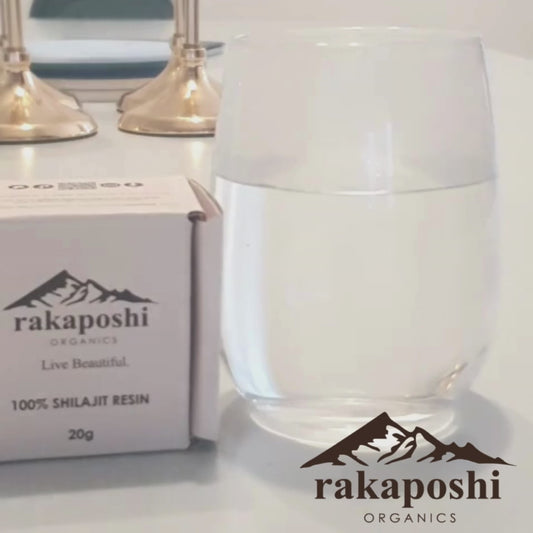
Discover authentic Rakaposhi Gold Shilajit—sourced from the Karakoram mountains of Gilgit-Baltistan, processed using traditional Aftabi sun-drying methods, independently lab-tested for purity and safety, and supporting fair trade practices. If you choose to incorporate traditional Ayurvedic approaches into your spiritual journey, do so with realistic understanding that spiritual development comes from consistent meditation, mindfulness, ethical living, study, community, and inner work—not from substances. Shilajit, if used, should be one small component of comprehensive spiritual practice, not a replacement for the genuine inner work that leads to transformation.