
Cultural Practices for Health: Wisdom from Himalayan Communities
Overview
Explore health and wellness practices from Himalayan communities, emphasizing a holistic lifestyle that integrates nature, community support, and traditional knowledge. Key takeaways include the importance of natural resources, communal health approaches, meditation, traditional diets, and adapting these practices to modern life for improved stress management and overall well-being.
Table of Contents
- The Harmony of Nature and Lifestyle
- Embracing Natural Resources
- Community-Centric Approaches
- Celebrating Togetherness
- Sharing Knowledge
- Holistic Health Practices
- Meditation and Mindfulness
- Physical Activity through Daily Life
- Traditional Diet and Nutrition
- Locally Sourced Ingredients
- Fermented Foods
- Natural Remedies and Traditional Medicine
- Herbal Healing
- Seasonal Detoxification
- Adapting Cultural Practices for Modern Living
- Building Community
- Engaging with Nature
- Bringing Wisdom Home
Key Takeaways
- Holistic Health Approach: Himalayan communities emphasize a balance between physical and mental well-being through lifestyle practices that integrate nature and community.
- Community Support: Health is viewed as a collective responsibility, fostering emotional well-being through strong social ties and communal activities.
- Natural Resources: Locals utilize Himalayan Shilajit and a variety of herbs, promoting a diet rich in essential nutrients sourced directly from their environment.
- Meditation and Mindfulness: Daily meditative practices are integral to stress management, helping individuals reconnect with their emotions and thoughts.
- Traditional Diet: A plant-based diet consisting of locally sourced, seasonal ingredients and fermented foods supports overall health and gut microbiome.
- Herbal Remedies: Extensive knowledge of local medicinal plants allows for the use of natural treatments for minor ailments, reflecting a deep connection to traditional medicine.
- Seasonal Detoxification: Engaging in seasonal cleansing rituals helps to rejuvenate the body and mind, aligning health practices with the natural cycles of the environment.
Frequently Asked Questions
1. What are some cultural practices for health observed in Himalayan communities?
2. How do Himalayan communities view health and wellness?
3. What role does meditation play in the lifestyles of Himalayan people?
4. How do Himalayan diets contribute to health?
5. What lessons can modern individuals learn from Himalayan health practices?
The Himalayan region, known for its breathtaking landscapes and rich cultural heritage, is home to communities that have thrived in the heights for centuries. These groups have a profound understanding of health and wellness, shaped by their environment and traditions. In this blog, we will explore various cultural practices for health from these Himalayan communities and what we can learn from their lifestyle choices, particularly in the context of stress management.
The Harmony of Nature and Lifestyle
In the heart of the Himalayas, the lifestyle of the indigenous people is closely tied to the natural world. Their cultural practices emphasize a holistic approach to health that engages both the body and mind. This relationship fosters a strong sense of community and well-being, paramount in a fast-paced world where stress is rampant.
Embracing Natural Resources
The Himalayan environment provides a wealth of resources that the local communities have been utilizing for generations. One prominent substance that has garnered attention is Himalayan Shilajit. This natural resin is derived from the rocks of the region, encapsulating the essence of the Himalayas. While it is celebrated for various traditional uses, its significance goes beyond just its physical properties. It symbolizes a connection to the land and a respect for what nature offers.
Communities often participate in foraging, hunting, and farming as means of living, enabling them to maintain a balanced diet and access to essential nutrients. Their deep understanding of local flora allows for the use of herbs and plants in everyday cooking—providing a steady intake of vitamins and minerals vital for health.
Community-Centric Approaches
In many Himalayan communities, health is seen as a collective responsibility. This communal outlook on health fosters connections that play an integral role in stress management. The sense of belonging and support from surrounding individuals can significantly contribute to emotional well-being. Here are a few ways these communities promote health through unity:
Celebrating Togetherness
Cultural festivals and rituals are common in the region, often centering around agricultural cycles or spiritual beliefs. These gatherings serve as more than just celebrations; they reinforce social ties and encourage cooperation among community members. Engaging in such communal activities reduces feelings of isolation and offers a platform for emotional expression.
Sharing Knowledge
In Himalayan cultures, wisdom is passed down through generations. Elders have a profound role in teaching younger members about traditional health practices, which include nutritional advice and stress-reducing techniques. Storytelling and community dialogues are common, thus forging deeper connections and a sense of security.
Holistic Health Practices
The Himalayan populace incorporates various holistic approaches into their daily lives, benefiting both physical health and mental wellness. Their practices emphasize balance, self-care, and mindfulness in both work and play.
Meditation and Mindfulness
One of the most significant cultural practices observed in Himalayan communities is meditation. Many people engage in daily meditative practices or prayer rituals, which serve to center the mind and cultivate inner peace. These activities help in stress management by allowing individuals to reconnect with their thoughts and emotions.
Physical Activity through Daily Life
Instead of structured exercise routines, many Himalayan individuals lead active lives through daily tasks. Fields require tending, livestock needs care, and homes may require maintenance—each task contributing to physical fitness. This form of natural exercise emphasizes movement without the need for formal workouts, contributing to overall health and vitality.

Traditional Diet and Nutrition
Food is a cornerstone of health in Himalayan cultures. The local diet consists of whole, plant-based foods that are primarily organic. Staples include grains, legumes, and a variety of vegetables that are in season. Here are some dietary practices observed in these communities:
Locally Sourced Ingredients
Himalayan communities primarily rely on locally grown produce and ingredients. This ensures freshness and nutritional density while minimizing exposure to chemicals or preservatives often found in processed foods. Seasonal eating facilitates a natural cleanse, as the body adapts to the environmental rhythm.
Fermented Foods
Fermentation is a significant aspect of the traditional diet. Fermented foods support gut health and have been consumed for centuries across cultures. In the Himalayas, practices include fermenting dairy products and vegetables, promoting a diverse microbiome crucial for supporting overall health.
Natural Remedies and Traditional Medicine
In addition to lifestyle practices and dietary habits, Himalayan communities often rely on traditional medicine systems to maintain health. Folk remedies consist of herbal treatments and natural preparations that have been passed down through generations.
Herbal Healing
Knowledge about medicinal plants is extensive in these cultures. Locals possess wisdom regarding the timely collection of herbs to ensure maximum potency. The use of local herbs is commonplace for addressing minor ailments, allowing for treatments that are both natural and accessible.
Seasonal Detoxification
It's a common practice to engage in seasonal detoxification rituals. These may involve specific dietary restrictions or cleansing herbs that help expel toxins accumulated in the body. The intent is to rejuvenate and promote clarity of both body and mind, aligning with the natural cycles of the environment.
Adapting Cultural Practices for Modern Living
As our global landscape continues to evolve, integrating lessons from Himalayan communities into modern life can provide pathways to improved health and wellness. Although one may not live in the Himalayas, the core principles can be adapted to our daily routines.
Building Community
In an era characterized by digital interactions, fostering real connections with those around us is essential. Making an effort to participate in local community activities or forming supportive circles can significantly improve emotional well-being.
Engaging with Nature
Taking time to be outdoors is crucial. Whether it's a stroll in a park or hiking in nearby trails, connection with nature can help manage stress and promote relaxation. Consider incorporating outdoor activities into your routine to harness these benefits.
Bringing Wisdom Home
The health practices observed in Himalayan communities remind us of the essential elements that contribute to a healthier, happier life. By embracing communal support, holistic health approaches, and mindful living, we can cultivate an enhanced quality of life amidst the complexities of modern existence. The pursuit of wellness can indeed begin with inspiration from the majestic Himalayan lifestyle.
Glossary
| Term | Meaning |
|---|---|
| Himalayan Shilajit | A natural resin from Himalayan rocks, valued for its health benefits. |
| Holistic Approach | A method of health that considers the whole person—body and mind. |
| Community-Centric | A focus on collective health and well-being within a community. |
| Meditation | A practice to center the mind and promote inner peace. |
| Locally Sourced | Using ingredients grown in the local area for freshness and nutrition. |
| Fermented Foods | Foods that have undergone fermentation, beneficial for gut health. |
| Herbal Remedies | Natural treatments using plants for health and healing. |
| Seasonal Detoxification | Rituals to cleanse the body in tune with seasonal changes. |
| Mindfulness | A practice of being present and aware in the moment. |
| Natural Exercise | Physical activity integrated into daily life rather than structured workouts. |
Linked Product

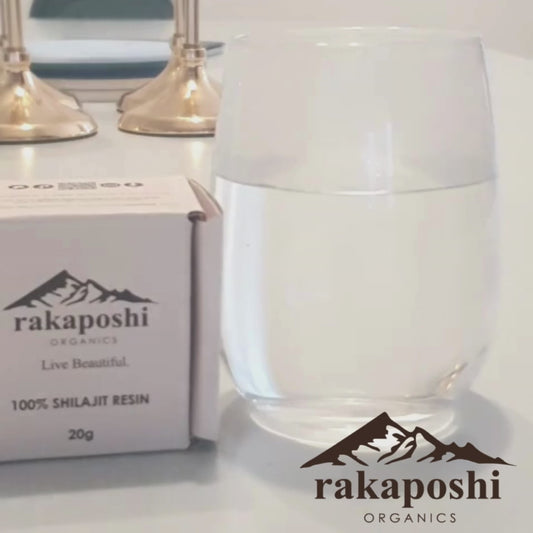
Rakaposhi Gold 20 grams - Sundried Himalayan Shilajit
Rakaposhi Gold sundried Himalayan shilajit offers a rich source of minerals and nutrients, making it a beneficial addition to wellness routines. Sourced from high altitudes in the pristine Hunza Valley, this product is crafted using traditional methods that preserve its natural potency. Each batch undergoes rigorous testing for purity, ensuring a high-quality option for those seeking authentic Himalayan health solutions.
View Product