
The Traditional Craftsmanship Behind Rakaposhi Gold Shilajit
Share
Understanding Shilajit: Geological Formation and Origins
Shilajit is a natural resin found in high-altitude mountain ranges, particularly the Himalayas. Formed over centuries through the gradual decomposition of plant matter and minerals, this sticky substance emerges from rock crevices during warmer months. The unique geological conditions of the Karakoram and Himalayan ranges create an environment where this ancient resin develops its characteristic composition.
The Gilgit-Baltistan Region: Home of Premium Shilajit
Rakaposhi Gold Shilajit is sourced exclusively from Gilgit-Baltistan, a region in northern Pakistan known for its pristine mountain environment and rich cultural heritage. This area, home to some of the world's highest peaks including K2, provides the ideal conditions for high-quality shilajit formation. The remote, unpolluted environment ensures the resin remains free from modern contaminants.
Traditional Aftabi Sun-Drying: An Ancient Craft
The Aftabi method is a traditional sun-drying technique used by local artisans in Gilgit-Baltistan for generations. This process involves careful collection of raw shilajit resin from high-altitude rock formations, natural filtration using traditional methods, sun-drying under controlled conditions to preserve the resin's natural properties, and multiple purification stages to ensure quality. This handcrafted approach honors centuries-old practices while maintaining the authentic character of Himalayan shilajit.
The Composition of Shilajit Resin
Shilajit resin contains a complex mixture of organic compounds and minerals naturally present in the geological formation. The composition includes fulvic acid (a naturally occurring organic compound), trace minerals (over 80 minerals found in the mountain environment), humic substances (organic compounds from plant decomposition), and amino acids (naturally present organic compounds). This composition varies based on the specific geographic location and altitude of collection.
Quality Standards and Lab Testing
At Rakaposhi Organics, every batch undergoes rigorous independent laboratory testing by PCSIR (Pakistan Council of Scientific and Industrial Research). Testing verifies purity and authenticity, absence of heavy metals and contaminants, safety for human consumption, and consistency with quality standards. Lab certificates are available for transparency, ensuring customers receive genuine, tested shilajit resin.
How to Properly Use and Store Shilajit
Preparation
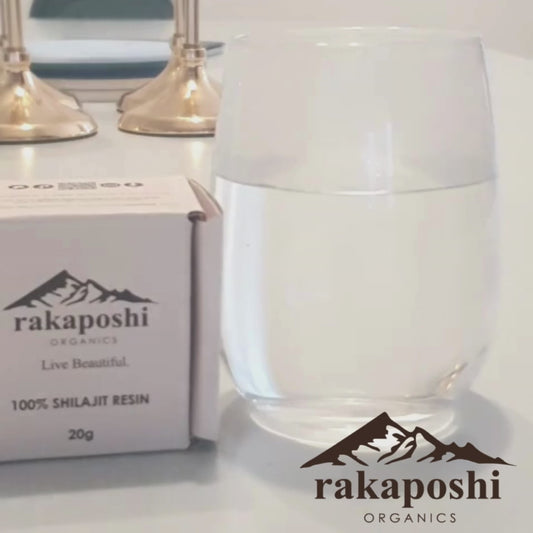
Traditionally, a rice-grain-sized portion (approximately 300-500mg) of shilajit resin is dissolved in warm water or tea. The resin dissolves completely, creating a golden-hued beverage.
Storage
Keep in a cool, dry place away from direct sunlight. Ensure the container is tightly sealed to prevent moisture exposure. Properly stored shilajit can maintain its quality for extended periods.
Traditional Preparation Methods
In Himalayan communities, shilajit has been traditionally prepared in various ways. The most common traditional method is dissolved in warm water or milk. A traditional combination in some regions is mixed with honey. It is often combined with traditional herbs and added to herbal teas. The key is allowing the resin to fully dissolve before consumption.
The Importance of Sourcing Quality Shilajit
Quality matters when selecting shilajit. Factors to consider include source location (high-altitude, unpolluted regions produce superior resin), processing method (traditional methods preserve authenticity), lab testing (independent verification ensures purity and safety), transparency (reputable suppliers provide detailed sourcing information), and ethical practices (fair trade and sustainable harvesting protect communities and environment). Rakaposhi Organics is vertically integrated, controlling the entire process from harvesting to packaging, ensuring quality at every stage.
Supporting Himalayan Communities Through Fair Trade
Rakaposhi Organics works directly with local harvesters in Gilgit-Baltistan on a fair trade basis, ensuring fair compensation for artisans and collectors, sustainable harvesting practices that protect the environment, community empowerment through economic opportunity, and 10% of proceeds support education initiatives for children in the region. This approach preserves traditional knowledge while supporting the communities that make this ancient craft possible.
Frequently Asked Questions About Rakaposhi Gold Shilajit
What is Rakaposhi Gold Shilajit?
Rakaposhi Gold is premium Himalayan shilajit resin sourced from Gilgit-Baltistan and processed using traditional Aftabi sun-drying methods. It is lab-tested for purity and safety.
How is shilajit traditionally used?
Traditionally, a small amount (rice-grain size) is dissolved in warm water or tea and consumed. The practice has been part of traditional Himalayan culture for centuries.
How should I incorporate shilajit into my routine?
Start with a small amount (300-500mg) dissolved in warm water, typically in the morning. Consistency is important for those following traditional practices.
Is Rakaposhi Gold Shilajit safe?
Our shilajit is independently lab-tested by PCSIR for safety and purity, confirming it is free from harmful chemicals and heavy metals and safe for human consumption. As with any dietary supplement, consult a healthcare professional before use, especially if you have pre-existing conditions or are pregnant or nursing.
How do I know I'm getting authentic shilajit?
Look for products with independent lab testing, transparent sourcing information, and traditional processing methods. Rakaposhi Organics provides lab certificates and detailed information about our Gilgit-Baltistan sourcing.
What makes Rakaposhi Gold different?
We are vertically integrated, controlling the entire process from harvesting in Gilgit-Baltistan to final packaging. Our traditional Aftabi sun-drying method, rigorous lab testing, and commitment to fair trade and community empowerment set us apart.
Preserving Himalayan Heritage
Rakaposhi Gold Shilajit represents more than just a product—it embodies centuries of Himalayan tradition, artisanal craftsmanship, and cultural heritage. By choosing ethically sourced, lab-tested shilajit processed using traditional methods, you support the preservation of ancient practices and the empowerment of Himalayan communities. Explore the authentic tradition of Rakaposhi Gold and discover the rich cultural heritage behind this remarkable Himalayan resin