Integrating Shilajit into a Holistic Wellness Routine
共有
Overview
Integrating Himalayan shilajit into your wellness routine can enhance harmony within the mind and body, but it should complement established practices like quality sleep, balanced nutrition, regular exercise, and stress management. While shilajit has cultural significance and traditional uses in Ayurvedic medicine, its health benefits are not extensively proven. Embrace a holistic approach that combines ancient wisdom with modern health practices for overall well-being.
Frequently Asked Questions
1. What is Himalayan shilajit?
2. How can I incorporate Himalayan shilajit into my wellness routine?
3. Are there any health benefits associated with Himalayan shilajit?
4. What nutritional practices should I follow while using shilajit?
5. How does the cultural significance of shilajit influence its use?
Wellness is an essential aspect of our lives that often gets overshadowed by our busy schedules and daily responsibilities. Integrating natural elements into your wellness routine can create harmony within both the mind and body. One such element that has gained popularity is Himalayan shilajit. Used in traditional Ayurvedic medicine for centuries, shilajit is sourced from the high-altitude regions of the Himalayas and is composed of fulvic acid, humic acid, and various trace minerals. While research on shilajit's health effects is very limited, the cultural significance and traditional practices surrounding it are rich and intriguing. This article explores how to incorporate Himalayan shilajit into your holistic wellness routine while emphasizing evidence-based practices for overall health.
The Origins of Himalayan Shilajit
Shilajit is a natural substance formed over centuries from decomposed plant matter and minerals that gradually seep from the rocks of the Himalayan and Karakoram mountain ranges. The substance is often dark brown to black in color and has a sticky texture. Traditionally, shilajit has been utilized in various wellness practices by mountain communities, who have revered it as a source of vitality.
Integrating Shilajit into Your Wellness Routine
Before delving into how to integrate Himalayan shilajit, it's crucial to understand that the primary focus of a holistic wellness routine should encompass various evidence-based practices. These practices include getting quality sleep, eating a balanced diet, engaging in regular exercise, practicing stress management techniques, and ensuring medical evaluations for health concerns. Here’s how to blend Himalayan shilajit into this framework.
1. Holistic Sleep Support
Sleep is a foundational aspect of wellness and should not be neglected. Aim for 7-9 hours of quality sleep each night. Quality rest allows the body to recover, rejuvenate, and restore itself. In some cultures, shilajit is considered a part of bedtime rituals, where it is taken to promote tranquility during sleep. While research on shilajit's direct effects on sleep is limited, using natural elements in your evening routine can provide comfort. Create a gentle wind-down routine: consider herbal teas, relaxation techniques, or light stretching to prepare your body for rest.
2. Balanced Nutrition for Wellness
A well-rounded diet is crucial to achieving overall wellness. Focus on a variety of whole foods that provide the necessary nutrients your body needs. This includes adequate sources of protein, vitamins, and minerals. While Himalayan shilajit can be included as a supplement to your nutritional regimen, it should complement a rich variety of foods rather than replace them.
- Incorporate plenty of fruits and vegetables.
- Consume whole grains like brown rice or quinoa.
- Include healthy fats from nuts, seeds, and avocados.
- Choose lean proteins such as fish, poultry, and legumes.
Should you decide to incorporate shilajit, ensure it is of high quality and ethically sourced. Be well-informed about its preparation methods and adhere to traditional practices that respect its cultural significance.
3. Exercise as a Fundamental Practice
Regular physical activity is essential for maintaining health and well-being. Aim for at least 150 minutes of moderate aerobic activity weekly, combined with strength training exercises two to three times a week. Some traditional practices integrate shilajit as part of post-exercise rituals aimed at muscle recovery. While modern recovery techniques in sports, such as nutrition and stretching, should remain your primary focus, consider the mental aspects of rituals. Integrating mindfulness practices from ancient traditions can also be beneficial.
Mindfulness and Stress Management
Stress management is a crucial component of a holistic wellness routine. Techniques such as meditation, yoga, and connecting with nature can significantly enhance your mental and emotional well-being. Interestingly, shilajit is often mentioned in the context of mental calmness. However, it is vital to place significant emphasis on the more established methods of stress reduction.
1. Meditation Techniques
Implementing simple meditation techniques can help calm the mind and reduce anxiety. Find a quiet space, close your eyes, and focus on your breath. Start with a few minutes a day and gradually increase the time as you become more comfortable. Experiment with various meditation methods, such as mindfulness or guided visualization, to find what resonates best with you.
2. Social Connection as a Stress Reliever
Maintaining social connections also plays a vital role in stress management. Reach out to friends or family, join groups with similar interests, or even consider participating in community activities. Thoughtful exchanges and support from others can alleviate feelings of loneliness and create a sense of belonging.
The Cultural Significance of Shilajit
The cultural relevance of Himalayan shilajit is deeply rooted in traditions that celebrate the natural world around us. Understanding its origins adds a layer of appreciation when integrating it into your holistic routines. In many mountain communities, shilajit has been used as a part of family rituals — from celebrations to daily practices — emphasizing the importance of connection to nature and heritage.
Embracing the Wisdom of Traditional Practices
Incorporating shilajit in your routine opens a door to explore the age-old traditions that have revered this natural resource. Infuse your daily practice with knowledge and respect for the cultural significance of shilajit, considering its role in fostering community relationships and wellness practices. All the while, maintain an awareness that research on shilajit's health effects is very limited. Traditional use in Ayurvedic medicine doesn't equal proven health benefits. For any health concerns, consulting healthcare providers is always recommended.
Keeping Perspective: The Better Path to Wellness
As you weave Himalayan shilajit into your wellness journey, maintaining a broad perspective of what truly supports health is vital. Remember that sustainable health comes from a combination of evidence-based practices like quality sleep, balanced nutrition, regular exercise, and adequate stress management techniques. Use traditional practices and resources to enlighten your path, appreciating the beauty that nature and culture offer without relying solely on a single element. This integrative approach will foster not just physical wellness but emotional and spiritual balance as well. Embrace a lifestyle that harmonizes ancient wisdom with modern understanding for a well-rounded and fulfilling existence.
Linked Product

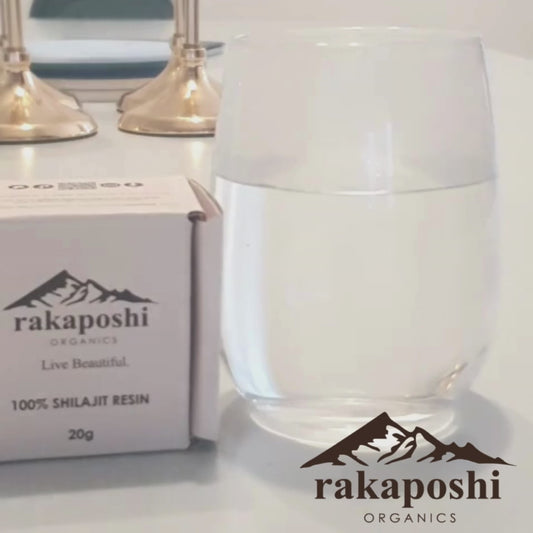
Rakaposhi Gold 20 grams - Sundried Himalayan Shilajit
Rakaposhi Gold Sundried Himalayan Shilajit is a premium, organic resin sourced from the pristine Hunza Valley, known for its rich mineral content and traditional harvesting methods. Hand-harvested at high altitudes, this shilajit undergoes an artisanal sun-drying process that preserves its natural potency. Each batch is rigorously tested for purity, making it a reliable addition to a holistic wellness routine.
View Product