Understanding Himalayan Culture and Its Influence on Wellness Practices

Understanding Himalayan Culture and Its Influence on Wellness Practices

Overview

The Himalayas are not just a geographical wonder but a cultural epicenter that influences wellness practices through ancient traditions. This post explores the significance of Himalayan culture, including holistic wellness, Ayurveda, yoga, meditation, and the importance of community. It highlights how these practices contribute to physical and mental well-being while facing modern challenges. Embracing these traditions can enhance one's wellness journey by promoting balance, mindfulness, and a connection to nature.

Frequently Asked Questions

1. What is the significance of the Himalayas in wellness practices?

The Himalayas represent a rich tapestry of culture that has shaped wellness practices through their geographical marvels and ancient traditions, emphasizing holistic health, community, and spirituality.

2. What wellness traditions are prominent in Himalayan culture?

Himalayan culture emphasizes holistic wellness, including practices like Ayurveda, yoga, meditation, and strength training.

3. How does Ayurveda contribute to wellness in the Himalayas?

Ayurveda promotes wellness through natural remedies, balanced nutrition, and a deep understanding of individual body types, focusing on maintaining health rather than merely treating disease.

4. Why is community important in Himalayan wellness practices?

Community fosters emotional support, a sense of belonging, and purpose, which are essential for overall well-being, as seen through festivals and communal gatherings.

5. What challenges do traditional wellness practices in the Himalayas face today?

Traditional practices face challenges from globalization and urbanization, which may overshadow them, but there is movement towards preserving these traditions through workshops and cultural exchanges.

The Himalayas, home to towering peaks and ancient traditions, are more than just a geographical marvel; they represent a rich tapestry of culture that has shaped the wellness practices of the region and beyond. This blog post explores the various facets of Himalayan culture, its unique traditions, and how these influences contribute to well-being. From holistic approaches to physical fitness like strength training to the significance of community, discover how this ancient culture remains relevant in today’s wellness journey.

The Geography and Spiritual Significance of the Himalayas

The Himalayan mountain range spans across five countries: India, Nepal, Bhutan, China, and Pakistan. Rising to majestic heights, the region is often referred to as the "Roof of the World." The cultural significance of these formidable mountains is profound; they are revered as the abode of deities in various cultures and religions, including Hinduism and Buddhism.

The natural environment of the Himalayas is not only breathtaking but also essential to the way of life for the communities that inhabit these areas. The mountains influence everything from agriculture to spirituality. For instance, the frequent presence of Gurus and spiritual leaders in these regions contributes to a culture that emphasizes harmony, balance, and mindfulness in everyday practices.

Traditional Wellness Practices in Himalayan Culture

The wellness traditions of the Himalayan region are deeply intertwined with cultural beliefs and practices. One of the most important aspects of this culture is the emphasis on holistic wellness, which includes physical health, mental peace, and spiritual balance.

Ayurveda and Natural Remedies

The practice of Ayurvedic medicine, which has roots in the Himalayan region, promotes wellness through natural remedies, balanced nutrition, and a deep understanding of one’s body type or dosha. This system has been in use for thousands of years, focusing on maintaining health rather than merely treating disease.

Herbs like ashwagandha and turmeric are often utilized in these traditional practices; however, one notable substance found in the region is shilajit. Traditionally believed to be beneficial, shilajit has been used in Ayurveda for centuries and is revered for its sources from high-altitude areas. Importantly, it's vital to acknowledge that while shilajit holds cultural significance, research on its health effects remains very limited. Traditional use does not equate to proven health benefits. For health concerns, always consult a healthcare provider.

Physical Practices: Yoga and Strength Training

Yoga, another crucial component of Himalayan culture, serves as a physical and spiritual discipline aimed at achieving overall wellness. Rooted in ancient Hindu texts, yoga emphasizes the unification of body, mind, and spirit through various postures (asanas), breathing exercises (pranayama), and meditation.

Moreover, strength training is gradually finding its place within this traditional paradigm. The focus on developing both physical health and mental stamina is a key selling point for many wellness practitioners today. Engaging in strength training routines is seen as a way to fortify both physical capabilities and mental resilience.

The Role of Meditation and Mindfulness

Meditation is a cornerstone of wellness practices in Himalayan culture. Rooted in Buddhism and Hinduism, it emphasizes the importance of stillness and self-awareness. Practitioners believe that through meditation, individuals can achieve a state of mental clarity, peace, and heightened consciousness.

Mindfulness meditation techniques, often passed down through generations, encourage participants to focus on the present moment. This practice not only enhances mental well-being but has also been incorporated into modern wellness routines for stress management and emotional health. Research increasingly supports the benefits of mindfulness meditation in maintaining mental health, which complements the physical practices found in Himalayan culture.

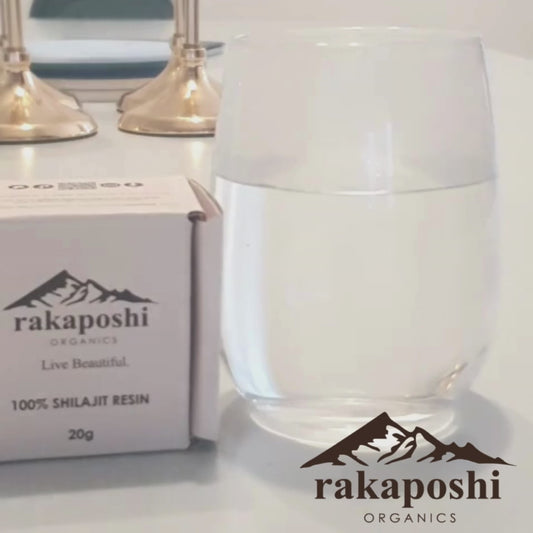
sundried himalayan shilajit
View this product.

Community and Social Connections

Another significant aspect of wellness in Himalayan culture is the importance placed on community and social connections. Traditional Himalayan societies are often close-knit, with strong familial ties and communal networks. These connections provide not only emotional support but also a sense of belonging and purpose, both of which are essential for overall well-being.

Festivals and communal gatherings are integral to community life, where people come together to celebrate, share stories, and pass traditions from one generation to the next. This social interaction plays a crucial role in fostering mental health, a facet that is increasingly recognized in modern wellness discourse.

Connecting Nature and Wellness

The natural environment in the Himalayas has a profound influence on the wellness practices of its inhabitants. The breathtaking landscapes, fresh air, and diverse flora contribute to a lifestyle that is oftentimes inherently healthier. Many wellness practices advocate for a connection to nature, which aligns with traditional beliefs in the Himalayan context.

Outdoor physical activities, such as trekking or mountain climbing, have gained popularity in recent years, promoting not only physical fitness but also the mental clarity that comes with engaging with nature. This trend resonates well with consumers today who seek authentic experiences that contribute to their holistic wellness journey.

Challenges Facing Traditional Practices

As globalization and modernization continue to influence lifestyles around the world, the traditional wellness practices of the Himalayas face both challenges and opportunities. Western science and medicine often overshadow these ancient methods, even as people increasingly seek holistic and natural alternatives to modern medicine.

Moreover, the encroachment of urbanization affects local communities and their cultural practices. However, there is also a growing movement to preserve these traditional practices in the face of modern challenges. Programs that celebrate Himalayan culture, including workshops on Ayurveda, yoga retreats, and cultural exchanges, contribute positively to the maintenance of these rich traditions.

Embracing the Himalayan Influence on Your Wellness Journey

For those interested in integrating the wisdom of Himalayan culture into their wellness journey, several steps can be taken. Start by exploring the practices of yoga and meditation, which can provide mental clarity and relaxation. Incorporating aspects of Ayurveda into your daily nutrition can help you understand your body better and promote a balanced lifestyle.

Physical fitness, including strength training, can be enhanced by adopting traditional practices that focus on holistic health. While modern lifestyles often distance individuals from their communities, understanding the value of social connections can enrich your well-being.

In addition, consider spending time in nature and bringing awareness to your surroundings. This engagement can foster a deeper sense of peace and connection, which is a hallmark of Himalayan culture.

The Path Forward: Integrating Wisdom into Everyday Life

As we seek to incorporate the time-tested wisdom of Himalayan culture into our modern wellness practices, it is essential to do so with respect and authenticity. Embracing practices that prioritize holistic health, physical fitness like strength training, mindfulness, and community connection can change not only individual lives but also the collective well-being of societies.

Incorporating these elements into a holistic wellness routine can nurture a sense of balance and harmony, allowing us to thrive both physically and mentally. The lessons from the Himalayas remind us that wellness is about more than just physical health; it encompasses a rich blend of traditions, practices, and connections that elevate our everyday lives.


Linked Product

Jar of pure premium sundried Himalayan Shilajit Resin showing its thick and rich texture in sustainable packaging

Rakaposhi Gold 20 grams - Sundried Himalayan Shilajit

Rakaposhi Gold is a pure, organic shilajit sourced from the Himalayan Hunza Valley, known for its high mineral content and traditional wellness applications. Each 20-gram package is hand-harvested and sundried to ensure quality and purity, making it a suitable addition to daily beverages. The product also supports local communities and sustainable practices, aligning with eco-conscious lifestyles.

View Product
ブログに戻る